Why is the calorimeter unstable?
In many fields such as scientific research and energy, calorimeters play a key role in accurately measuring heat. However, many users often encounter the problem of unstable calorimeters, which not only affects the measurement results, but also delays the work progress. Let's delve into the reasons for the instability of calorimeters.
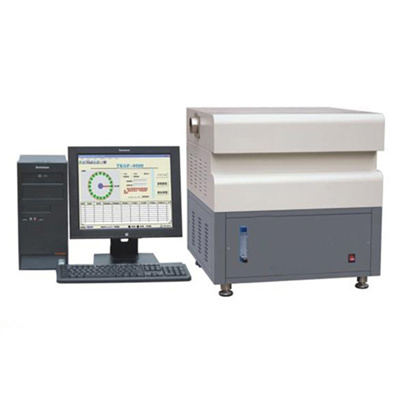
Environmental factors are key drivers
Calorimeters have strict environmental requirements. Temperature fluctuations can directly interfere with the internal precision components of the instrument, resulting in erratic measurement data. For example, the laboratory temperature rises and falls sharply in a short period of time, making it difficult for the instrument to adapt quickly, and the stability will inevitably decline. In addition, high humidity can easily make the instrument components damp, causing short circuits, poor contact and other failures, which seriously affect the normal operation of the calorimeter. Therefore, it is crucial to create a constant temperature and humidity environment for the calorimeter.
The problem of the instrument itself cannot be ignored
If the core components of the calorimeter fail, the stability will be greatly reduced. For example, the sensor is old or damaged, and the heat change cannot be accurately sensed, so the measurement results are naturally inaccurate. Also, the loose wiring connection of the instrument can cause unstable signal transmission and lead to data fluctuations. In addition, the long-term use of the calorimeter that is not calibrated in time will gradually reduce its measurement accuracy and stability. Regular comprehensive inspection, maintenance and calibration of the instrument is necessary to ensure its stable operation.
Improper operation lays hidden dangers
Incorrect operation procedures are also a common cause of instability of the calorimeter. Inaccurate weighing of the sample can cause deviation in the measured heat value. Moreover, if the sample is not fully ground or mixed, the combustion or reaction process is not sufficient, and the released heat is unstable, which in turn affects the measurement stability of the calorimeter. At the same time, the operator touches and moves the instrument at will during the operation of the instrument, which will also interfere with the normal working state of the instrument. Standardizing the operation process and strictly following the instrument instructions can effectively avoid such problems.
The instability of the calorimeter is the result of a combination of factors. Only by accurately identifying potential problems in the environment, instruments, operation, etc. and taking targeted solutions can we ensure the stable and accurate operation of the calorimeter and provide reliable data support for scientific research and production.
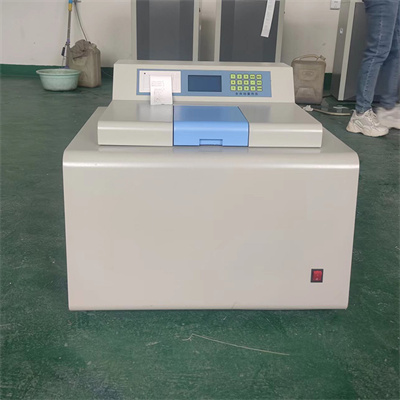 How to read calorimeter data
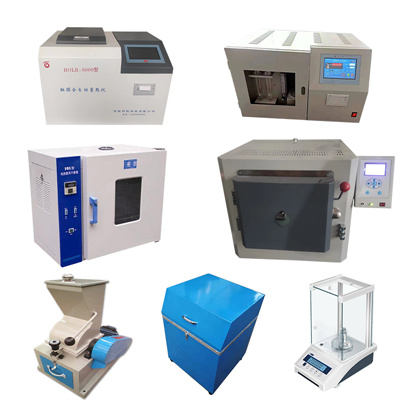 What is the design principle of a calorimeter?
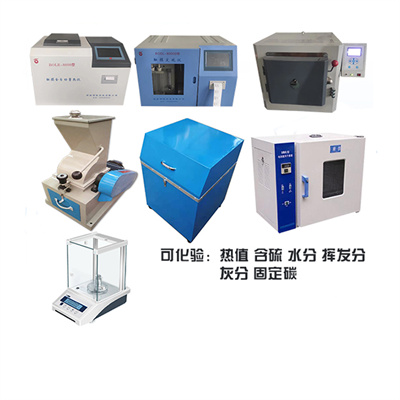 What is the harm of lack of water in the calorimeter?
What is the input interface of the calorimeter?
What is the harm of lack of water in the calorimeter?
What is the input interface of the calorimeter?