How to clean the calorimeter crucible
When using a calorimeter for experiments, the cleanliness of the crucible has a crucial impact on the accuracy of the experimental results. Therefore, it is necessary to master the correct calorimeter crucible cleaning method. Here are the specific cleaning steps for you:
The first step: cooling and initial cleaning
After the experiment, do not clean the crucible immediately, but let the crucible cool naturally to room temperature. Cleaning at high temperature will not only cause burns, but may also damage the crucible. After cooling, use a clean soft brush to gently sweep away the remaining solid residue in the crucible to remove most of the loose impurities.
Step 2: Soak and dissolve
For stubborn residues attached to the inner wall of the crucible, a suitable solvent can be used for soaking. If the residue is organic, it can be soaked in absolute ethanol or acetone; if the residue is inorganic, choose the corresponding acidic or alkaline solution according to its nature. The soaking time depends on the stubbornness of the residue, usually 1-2 hours, so that the residue can be fully dissolved.
The third step: meticulous cleaning
After the soaking is completed, use a soft sponge or a special cleaning cloth, dip an appropriate amount of water, and carefully wipe the inner and outer walls of the crucible to ensure that the residual solvent and dissolved impurities are completely removed. Note that the cleaning process should be moderate to avoid scratching the inner wall of the crucible and affecting its performance.
Step 4: Dry treatment
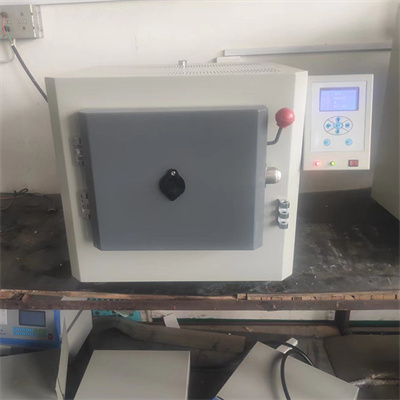
Cleaned crucibles need to be dried. The crucible can be placed in a drying oven and dried at a suitable temperature. Generally, the temperature is controlled at 100-120 ° C, and the drying time is about 30-60 minutes. It can also be dried naturally, but it takes a long time and attention should be paid to avoid dust contamination.
Step 5: Inspection and Storage
After drying the crucible, carefully check whether the inner wall is clean and scratched. After confirming that it is correct, store the crucible in a dry and clean environment to avoid moisture and dust, and prepare for the next experiment.
Regularly cleaning the calorimeter crucible according to the above method can not only ensure the accuracy of the experimental data, but also prolong the service life of the crucible and provide a reliable guarantee for the experimental work.
 How to read calorimeter data
 What is the design principle of a calorimeter?
 What is the harm of lack of water in the calorimeter?
 What is the input interface of the calorimeter?