What is a cone calorimeter?
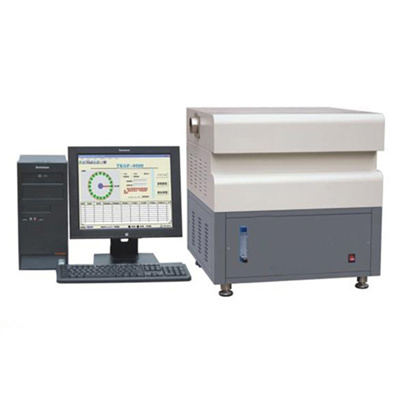
Cone calorimeter is a key equipment for material combustion performance testing and plays an irreplaceable role in the field of fire safety and materials research. It accurately determines the key parameters in the material combustion process by simulating real fire scenarios, providing a scientific basis for evaluating the fire hazard of materials.
Core principles and working methods
The cone calorimeter works based on the principle of oxygen consumption. During the test, the material sample to be tested is placed under specific conditions, and the cone heater is used to simulate the thermal radiation environment of the fire, so that the sample is heated and burned. The flue gas produced by combustion flows through the exhaust pipe, and the instrument monitors the change of oxygen concentration in the flue gas in real time. According to the oxygen consumption, combined with the stoichiometric relationship of the combustion reaction, the heat release rate during the combustion process of the material is accurately calculated, which is one of the core indicators to measure the fire hazard of the material.
Key test parameters and their significance
Heat release rate: It directly reflects the amount of heat released by the material per unit time during the combustion process. The higher the value, the faster and more heat the material releases in a fire, and the greater the risk of fire spread.
Total heat release: reflects the total amount of heat released by the material during the entire combustion process, which helps to comprehensively evaluate the fire hazard of the material combustion.
Effective heat of combustion: refers to the actual heat released when a material is burned per unit mass, which can reflect the full degree of material combustion and provide reference for the development of fire fighting strategies.
Mass loss rate: reflects the rate of mass loss of the material during combustion, which is closely related to the combustion stability of the material and can assist in judging the combustion characteristics of the material.
Wide application field
In the field of building materials, cone calorimeters are used to evaluate the fire performance of walls, thermal insulation materials, etc., to ensure that buildings meet fire safety standards; in the transportation industry, materials such as car interiors and aircraft seats are tested to ensure the fire safety of vehicles; in the electronic and electrical industry, the combustion characteristics of wires, cables, circuit boards, etc. are detected to reduce the risk of electrical fires. In addition, it is also an important tool for scientific research institutions to study new flame retardant materials and optimize the fire performance of materials.
Importance and value
The cone calorimeter provides scientific guidance for material research and development, production and application with accurate test data. It helps enterprises screen materials that meet fire protection requirements, improve product quality and safety; provides technical support for regulatory authorities to formulate fire protection standards and carry out safety supervision; at the same time, it promotes the development of fire science and material science, and builds a strong technical defense line for the safety of life and property.
 How to read calorimeter data
 What is the design principle of a calorimeter?
 What is the harm of lack of water in the calorimeter?
 What is the input interface of the calorimeter?