How to calibrate a calorimeter
The importance of calorimeter calibration
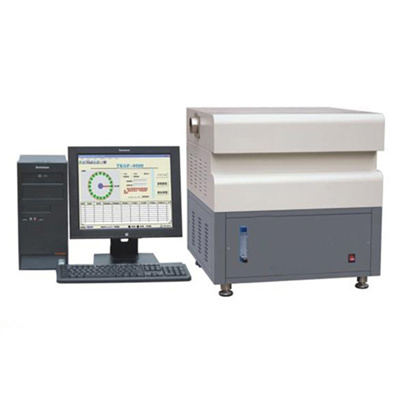
As a key instrument for accurately measuring heat, calorimeters are widely used in energy, chemical and other fields. Its measurement accuracy directly affects the experimental data and production quality, and calibration is the core link to ensure the accuracy of calorimeters. Through calibration, instrument deviations can be corrected, system errors can be eliminated, and the calorimeter is always in reliable operation.
Preparation before calibration
1. Standard material preparation: Benzoic acid with stable calorific value is selected as the calibration standard material, and its calorific value is certified by an authoritative organization to ensure that the calibration benchmark is reliable. At the same time, it is necessary to ensure that benzoic acid is dry and free of impurities to avoid affecting the calibration results due to moisture or impurities.
2. Instrument inspection: Carefully check all components of the calorimeter, including oxygen bombs, inner cylinders, outer cylinders, etc., to ensure that there is no damage or leakage. Check whether the key components such as temperature sensors and ignition devices function normally to ensure that the instrument is in good working condition.
3. Environmental control: Calibration should be carried out in an environment with stable temperature and no strong airflow interference. Ambient temperature fluctuations should be controlled within ± 1 ° C to avoid temperature changes interfering with the measurement results.
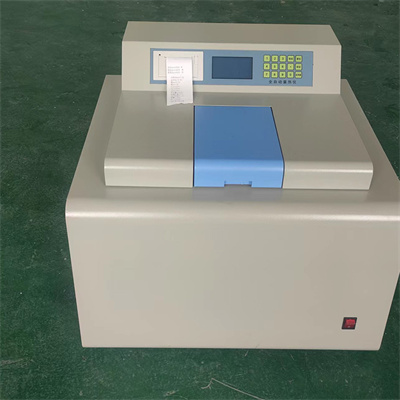
Specific calibration steps
1. Sampling and oxygenation: Put accurately weighed standard benzoic acid (usually 0.9-1.1g) into a crucible, put it in an oxygen bomb, and connect the ignition wire. Then fill the oxygen bomb with high-pressure oxygen, the pressure is controlled at 2.8-3.0MPa, and the oxygenation time is not less than 15 seconds to ensure that the sample is fully burned.
2. Instrument setting and start-up: Put the aerobic oxygen bomb into the inner cylinder of the calorimeter, install the agitator and temperature sensor. According to the instrument operating procedures, set the relevant parameters and start the measurement program. The instrument will automatically record the temperature change until the sample is completely burned, and the measurement will be completed after the temperature stabilizes.
3. Data recording and calculation: Record key data in the measurement process, such as initial temperature, maximum temperature, etc. Calculate the heat capacity of the calorimeter according to the formula. Heat capacity is the core indicator of calibration, which reflects the ability of the instrument to measure the change of unit heat.
Verification and Precautions after Calibration
1. Verify the calibration result: After the calibration is completed, use the reference material with known calorific value to conduct the verification experiment. If the verification result deviates from the standard value within the allowable range, the calibration is successful; if the deviation is too large, it needs to be re-calibrated.
2. Regular calibration: When the calorimeter is used frequently and the environment changes greatly, it needs to be calibrated regularly. It is generally recommended to calibrate once every quarter to ensure that the instrument always maintains high accuracy.
3. Operation specifications: During the calibration process, operators should strictly follow the operation procedures to avoid human errors. At the same time, make calibration records for subsequent traceability and analysis.
Mastering the calibration method of the calorimeter is the key to ensuring the accurate measurement of the instrument. Strictly following the calibration process and paying attention to details can enable the calorimeter to provide reliable data support for scientific research and production.
 How to read calorimeter data
 What is the design principle of a calorimeter?
 What is the harm of lack of water in the calorimeter?
 What is the input interface of the calorimeter?