How to measure calorific value with a calorimeter
calorimeter is the core equipment for accurately measuring the calorific value of fuels and other substances, and is widely used in energy, chemical and other fields. Mastering its calorific value measurement method is crucial to ensure the accuracy of experimental and production data.
Preparation: Equipment and sample inspection
Before measurement, check the components of the calorimeter to ensure that the oxygen bomb does not leak, the ignition device is normal, and the instrument is in a calibrated state. Sample preparation is the key, and the sample to be tested needs to be ground to a specified fineness, accurately weighed to a certain quality, usually 0.9-1 grams, evenly loaded into the crucible, to avoid sample spilling affecting the measurement accuracy.
Sample loading and oxygen bomb assembly
Put the crucible with the sample into the oxygen bomb smoothly, connect the ignition wire, pay attention to the ignition wire to be in good contact with the sample, and do not touch the inner wall of the oxygen bomb. Then tighten the lid of the oxygen bomb, fill the oxygen bomb with high pressure oxygen, the pressure is controlled at 2.8-3 MPa, and the inflation time is not less than 15 seconds to ensure that the oxygen is sufficient and the sample is fully burned.
Instrument setup and test start-up
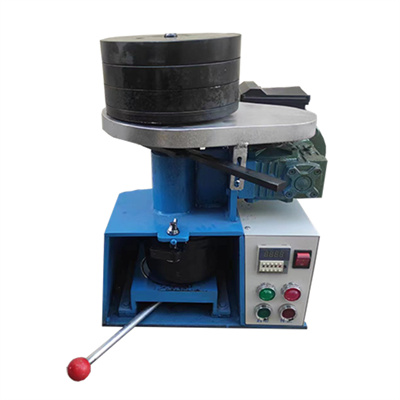
Put the assembled oxygen bomb into the inner cylinder of the calorimeter smoothly, and add an appropriate amount of distilled water to ensure that the water surface does not pass the oxygen bomb exhaust valve. Close the protective cover of the instrument, set relevant parameters on the operation interface, such as sample quality, ignition temperature, etc., and start the measurement program after confirming that it is correct. The instrument will automatically complete the ignition, temperature monitoring, data calculation and other processes. Do not open the instrument during this period to avoid interfering with the measurement results.
Data reading and result validation
After the measurement is completed, the instrument will automatically display and store the calorific value data. Before taking out the oxygen bomb, slowly release the internal residual gas to confirm that the pressure is zero before taking it out. Review the measurement data. If there is any abnormality, check the sample preparation, oxygen bomb assembly and other links to re-measure to ensure that the calorific value data is accurate and reliable.
By mastering the above steps, you can skillfully use a calorimeter to complete calorific value measurement, providing accurate data support for related work.
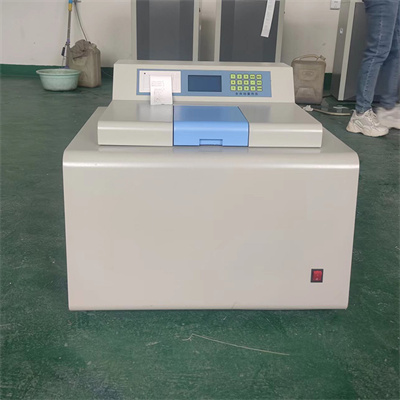 How to read calorimeter data
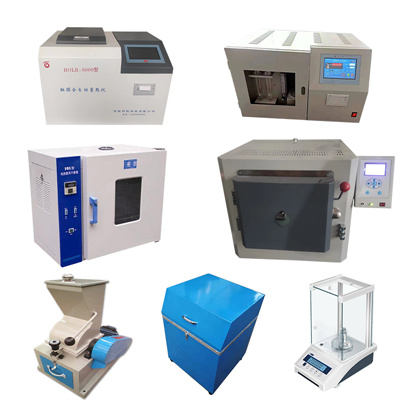 What is the design principle of a calorimeter?
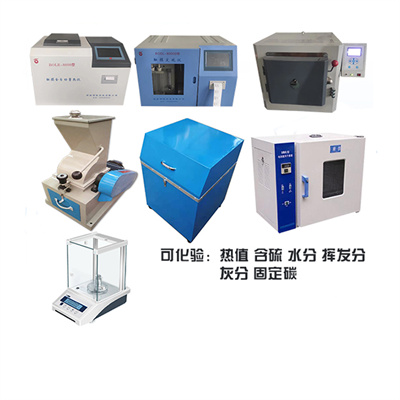 What is the harm of lack of water in the calorimeter?
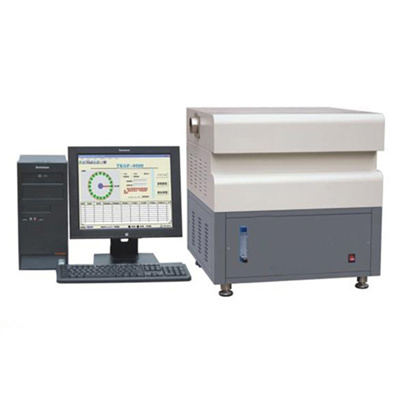 What is the input interface of the calorimeter?