How to judge the performance of a calorimeter
The importance of performance judgment of calorimeter
In many fields such as energy, chemical industry, and scientific research, calorimeters are key devices for accurately measuring the change of heat of substances. Their performance directly affects the accuracy and reliability of the measurement results, and is related to key links such as experimental research and product quality control. Therefore, mastering the method of scientifically judging the performance of calorimeters is of great significance to ensure the efficient development of work.
Analysis of core performance indicators
Accuracy and accuracy: Accuracy reflects the repeatability of the data when the calorimeter measures the same sample multiple times; accuracy reflects the proximity of the measured value to the true value. High-precision and high-accuracy calorimeters can minimize measurement errors and provide reliable data for experiments. When judging, it can be evaluated by measuring the reference material multiple times, comparing the measurement results with the standard value, and calculating the deviation.
Stability: Stability refers to the ability of a calorimeter to maintain stable measurement performance during long-term operation. Instruments with poor stability are prone to fluctuations in measurement results, which affects data reliability. By continuously running the instrument, observe the changes in the results of measuring the same sample at different times. If the data fluctuations are small, the stability is good.
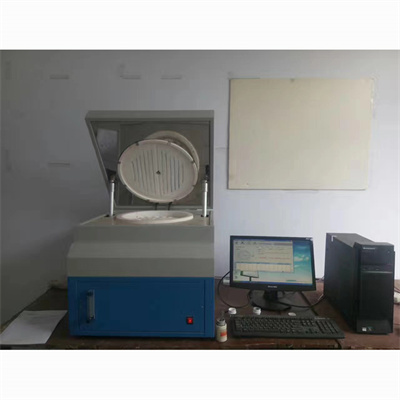
Temperature control ability: The calorimeter is crucial to the control accuracy of temperature. Precise temperature control can ensure that the reaction is carried out under the set conditions and ensure the accuracy of measurement. When checking, pay attention to the temperature control range and temperature control accuracy of the instrument temperature control system, and whether the heating and cooling rates meet the requirements.
Practical testing and evaluation methods
Standard material testing: Use a standard material with known calorific value, such as benzoic acid, and measure it with a calorimeter to be tested. Compare the measurement results with the theoretical calorific value of the standard material. If the error is within the specified range, it indicates that the performance of the instrument is up to standard.
Repeatability experiment: Repeat the same sample multiple times to calculate the standard deviation of the measurement results. The smaller the standard deviation, the better the repeatability of the instrument and the more stable its performance.
Comparison experiment: The calorimeter to be tested is measured with a similar instrument with known good performance on the same sample and the measurement results are compared. If the two results are similar, it means that the performance of the instrument to be tested is reliable.
Daily maintenance and calibration guarantee
Regular maintenance and calibration of the calorimeter is the key to ensuring its stable performance. Daily maintenance includes cleaning the instrument, checking the connection of parts, etc.; calibration guidelines require the use of standard weights, reference materials, etc. According to the requirements of the instrument manual, regularly calibrate the weighing system and temperature system of the instrument to ensure that the instrument is always in the best working condition.
Mastering the above methods for judging the performance of a calorimeter can effectively identify the advantages and disadvantages of the instrument and provide a solid guarantee for the smooth development of related work.
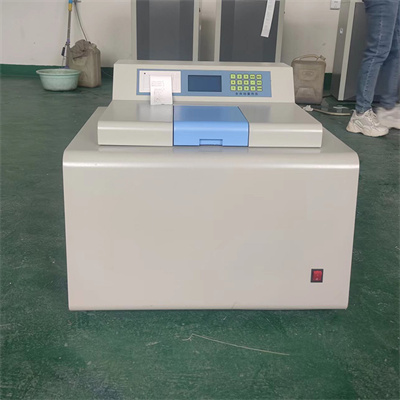 How to read calorimeter data
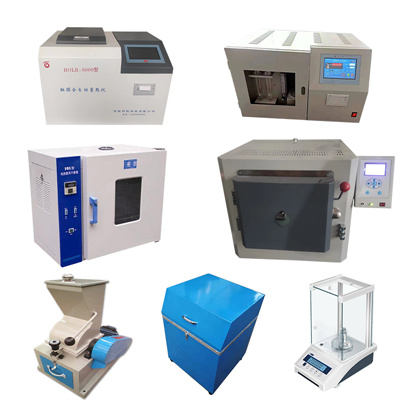 What is the design principle of a calorimeter?
 What is the harm of lack of water in the calorimeter?
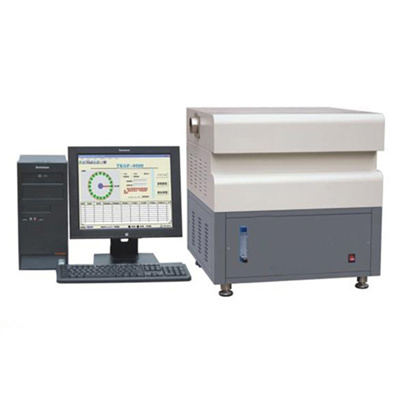 What is the input interface of the calorimeter?