How to divide the calorimeter into good and bad?
As a key device for accurately measuring heat, calorimeters are widely used in energy, chemical industry, scientific research and other fields, and their quality directly affects the accuracy of test results. To quickly distinguish the quality of calorimeters, it is necessary to start from the core dimension and master the key judgment methods.
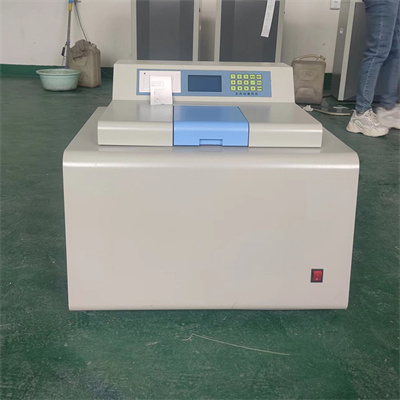
First, look at the core performance indicators to build a solid foundation for quality
The core performance index of a calorimeter is the core basis for judging whether it is good or bad. The first is the measurement accuracy. The measurement error of a high-quality calorimeter should be controlled within the allowable range of national standards. For example, the repeatability error of a conventional calorimeter needs to be less than or equal to 0.1%. Otherwise, the deviation of the test results is large and cannot meet the actual needs. Secondly, the stability. During the long-term continuous operation of the equipment, the data should be kept stable and there will be no large fluctuations, which reflects the reliability of the hardware workmanship and temperature control system of the instrument. In addition, the uniformity of the heating rate is also crucial. The heating process is smooth and there is no sudden rise or fall, so as to ensure that the sample reaction is sufficient and
Second, check the hardware workmanship and core components, and control the quality of details
The hardware workmanship and the quality of the core components directly determine the service life and testing stability of the calorimeter. The shell of the high-quality calorimeter is made of sturdy and durable materials, the internal circuit layout is regular, and the welding is firm and no virtual welding, which can effectively resist environmental interference. In terms of core components, the pressure resistance performance of the oxygen bomb is the key. High-quality oxygen bombs need to undergo strict pressure resistance tests, which can withstand high-pressure environments and have no leakage to ensure experimental safety. The sensitivity of the temperature sensor is also critical. High-sensitivity sensors can accurately capture temperature changes and avoid data lag or distortion. If the core components are of well-known brands, the overall reliability of the equipment will also be greatly improved.
III. Calibration and operation convenience, taking into account practicality and accuracy
Calibration convenience is an important criterion for measuring the quality of a calorimeter. A high-quality calorimeter should be equipped with a complete calibration function, support one-button calibration or a convenient manual calibration process, without complicated professional operations, and ordinary staff can quickly complete the calibration to ensure that the equipment is always in an accurate state. At the same time, the user-friendly design of the operation interface cannot be ignored. The interface is clear and intuitive, the button layout is reasonable, and the operation steps are simple, which can reduce human operation errors and improve work efficiency. If the device supports data storage and export functions, it can also facilitate subsequent data traceability and analysis, which is more practical.
IV. Look at brand service and user reputation to ensure worry-free after-sales service
When choosing a calorimeter, the brand and after-sales services are important guarantees. Well-known brands of calorimeters have stricter production process and quality control, more guaranteed product quality, and can provide perfect after-sales services, including equipment installation and debugging, technical training, fault repair, etc., to solve the worries during use. In addition, checking the user's word-of-mouth is also an effective method. By understanding the feedback of other users, grasp the actual performance and failure frequency of the equipment to avoid stepping on the pit.
In short, judging the quality of a calorimeter requires comprehensive consideration from multiple dimensions such as performance indicators, hardware workmanship, calibration operations, and brand services. Mastering these methods can accurately screen out high-quality calorimeters and provide reliable support for testing.
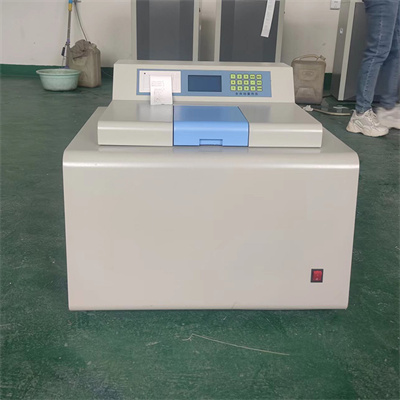 How to read calorimeter data
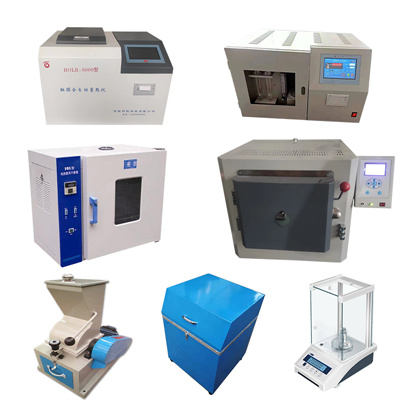 What is the design principle of a calorimeter?
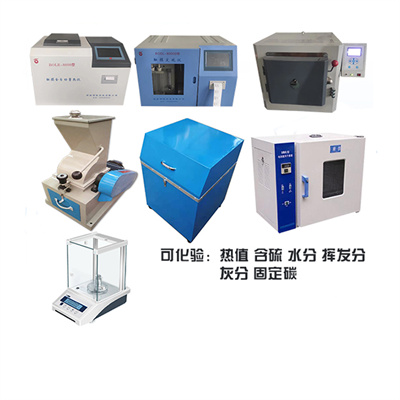 What is the harm of lack of water in the calorimeter?
 What is the input interface of the calorimeter?