What system is a calorimeter?
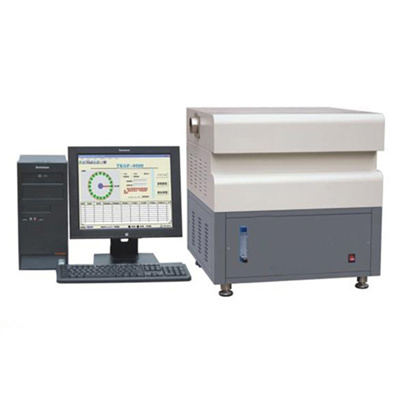
The calorimeter system is a professional instrument system for accurately measuring heat changes. It plays a key role in many fields such as energy, chemical industry, and scientific research, providing core data support for heat-related research and production control.
Core working principle: Accurate measurement based on the laws of thermodynamics
The calorimeter system strictly follows the first law of thermodynamics. By building a closed heat exchange environment, it captures the heat released and absorbed by substances during physical or chemical reactions. When the sample to be tested reacts, the system will accurately sense the environmental temperature change, convert the temperature signal into an electrical signal with the help of high-precision sensors, and then calculate the heat value through professional algorithms. The whole process is efficient and accurate, ensuring the scientific measurement results.
Key system components: multi-module collaboration to ensure accurate operation
A complete calorimeter system is composed of multiple core modules. The measurement module is the core, including high-precision temperature sensors and reaction vessels, which directly contact the sample to be tested to accurately capture heat changes; the control module is responsible for regulating the reaction environment temperature to maintain stable measurement conditions and avoid external interference; the data processing module analyzes and stores the collected data in real time, and finally outputs a visual heat report. Each module works closely together to ensure the stable operation of the system.
Core functional advantages: accurate, efficient and adaptable to multiple scenarios
The core advantages of the calorimeter system are very prominent. High measurement accuracy, accurate capture of small heat changes, to meet the rigorous measurement requirements of scientific research and industrial grade; high operation convenience, most systems are equipped with intelligent operation interface, no need for complex training to get started; strong adaptability, according to different sample characteristics and measurement requirements, adapt to various sample forms such as solids, liquids, gases, etc., widely used in fuel calorific value detection, chemical reaction thermal determination, material thermal stability analysis and other scenarios.
Typical application scenarios: multiple fields play a key role
In the field of energy, the calorimeter system is the core equipment for the detection of fuel calorific value, providing key data for the quality assessment and combustion efficiency calculation of coal, petroleum and other energy sources, and assisting in the rational utilization of energy. In the chemical industry, it is used to determine the chemical reaction heat to help enterprises optimize production processes and ensure production safety. In the field of scientific research, it provides accurate data for the study of material thermal properties and the determination of thermodynamic parameters, and promotes the in-depth development of scientific research.
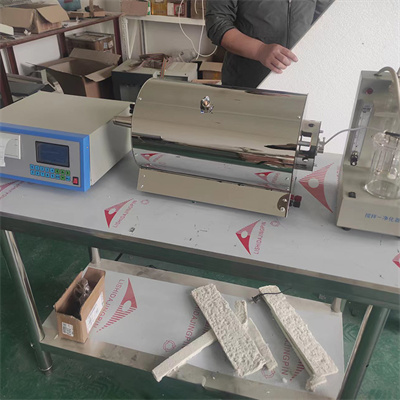
Overall, the calorimeter system has become a core tool in the field of heat measurement with its accurate measurement principle, perfect system composition, and powerful functional advantages, providing solid technical support for the high-quality development of various industries.
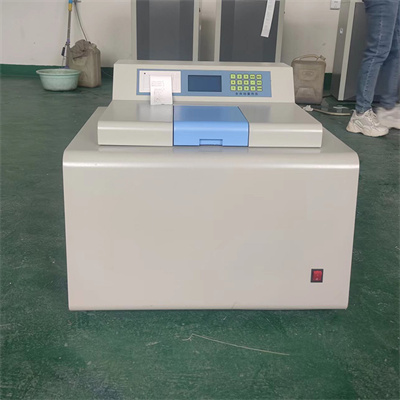 How to read calorimeter data
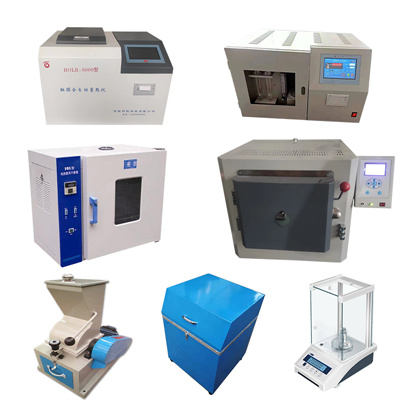 What is the design principle of a calorimeter?
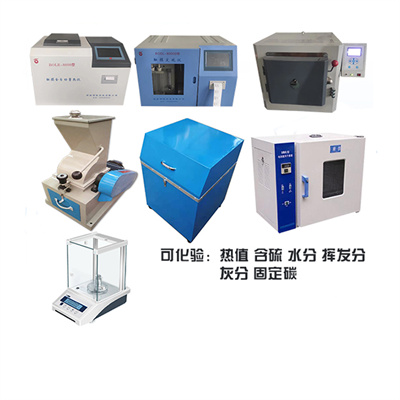 What is the harm of lack of water in the calorimeter?
 What is the input interface of the calorimeter?