How to calibrate a coal calorimeter
Preparatory work before calibration
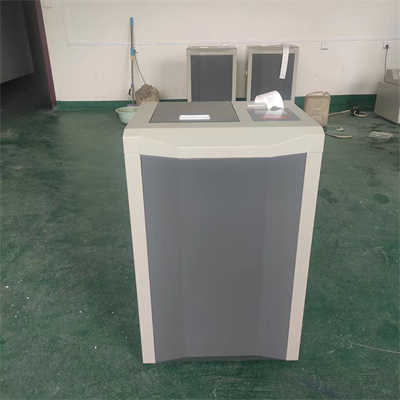
Before calibrating the coal calorimeter, it is necessary to be fully prepared. First, ensure that the calorimeter is in a stable, vibration-free and temperature-appropriate environment to avoid environmental factors interfering with the calibration results. At the same time, prepare standard benzoic acid, whose calorific value is accurate and stable, and is the core substance of calibration. In addition, it is also necessary to equip auxiliary equipment such as ignition wire and oxygen cylinder to check whether each equipment is in good condition. The oxygen pressure needs to meet the requirements of the instrument, generally kept within the specified range, such as 2.8-3.0MPa, to lay a solid foundation for subsequent calibration work.
Second, the specific operation process of calibration
1. Weigh the reference material: Use a high-precision balance to accurately weigh a certain amount of benzoic acid, usually around 1.0-1.1g, accurate to 0.0001g. Press the weighed benzoic acid into a sheet, put it in a crucible, connect the ignition wire, and ensure that the ignition wire is in good contact with the benzoic acid sheet.
2. Sampling and oxygenation: Put the crucible filled with benzoic acid into the calorimeter oxygen bomb, install the aerobic warhead, and tighten the oxygen bomb cover. Fill the oxygen bomb with oxygen through the oxygenation device, and the oxygenation time is controlled at 30-60 seconds to ensure that the oxygen is sufficient and the pressure reaches the specified value.
3. Put in the instrument and start: Put the oxygen bomb into the inner cylinder of the calorimeter and connect the ignition electrode. Turn on the power supply of the calorimeter, follow the prompts on the instrument operation interface, select the calibration program, enter the relevant parameters such as benzoic acid quality, and click Start, and the calorimeter will automatically start the calibration test.
III. Data processing and verification after calibration
After the calibration, the instrument will display the test results. Calculate the calorimeter's heat capacity based on the known calorific value of benzoic acid and the actual ignition energy consumed. Average the multiple calibration results. If the deviation of each result is within the specified range, if it does not exceed 0.2%, the calibration is valid. If the deviation is too large, check the operation process and re-calibrate until the result is stable and reliable.
IV. Precautions for calibration
During the calibration process, it is necessary to strictly follow the instrument operating procedures to avoid human operation errors. Before each calibration, the instrument needs to be cleaned and inspected to ensure good performance of the instrument. At the same time, standard benzoic acid needs to be properly stored to prevent moisture from affecting the calorific value. The calibration ambient temperature should be kept relatively stable to avoid temperature fluctuations affecting the calibration results. Only by strictly controlling each link can we ensure the accurate calibration of the coal calorimeter and provide reliable data support for coal heat detection.
 How to read calorimeter data
 What is the design principle of a calorimeter?
 What is the harm of lack of water in the calorimeter?
 What is the input interface of the calorimeter?