What is calorimeter ignition?
In the coal, chemical and other industries, calorimeter is the core testing equipment, and calorimeter ignition is the key link to ensure the accuracy of the detection results. Whether the ignition process is standardized or not directly affects the accuracy of the experimental data, and it is crucial to master its core knowledge.
The core principle of calorimeter ignition
The essence of calorimeter ignition is to use the energy generated by the ignition device to precisely ignite the sample to be tested in the oxygen bomb. Usually, the instrument will fully contact the sample through the ignition wire. When the ignition device releases an electric pulse, the ignition wire quickly heats up to the ignition point, and then ignites the sample, so that it can fully burn in the oxygen bomb filled with high-pressure oxygen, releasing heat and providing basic data for subsequent calorific value calculation. This process requires strict control of the ignition energy to avoid the sample not fully burning due to insufficient energy, or the excess energy interfering with the experimental environment.
Standard operation steps for calorimeter ignition
1. Pre-preparation: First, the sample to be tested is made into a sample of the specified specifications, accurately weighed, and then placed into the oxygen bomb crucible. Then, the two ends of the ignition wire are firmly fixed on the electrode of the oxygen bomb to ensure that the ignition wire is in close contact with the sample. Then, a sufficient amount of high-pressure oxygen is filled into the oxygen bomb to ensure the oxygen environment required for the sample to burn.
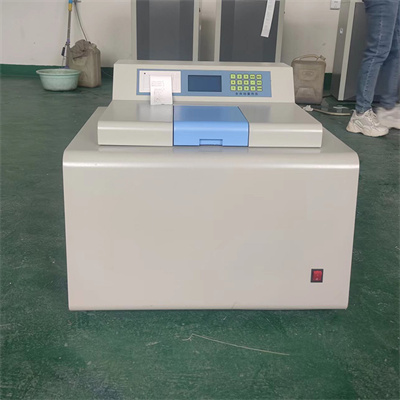
2. Ignition operation: Put the assembled oxygen bomb into the calorimeter, close the cover of the instrument, and start the ignition procedure on the operation interface. At this time, the instrument will automatically complete the issuance of the ignition command, and the ignition wire will be powered on to heat up and ignite the sample. The operator needs to pay attention to the running status of the instrument. If there is a prompt for ignition failure, the program needs to be stopped immediately, and the fault will be checked before re-operation.
3. Follow-up inspection: After the experiment, it is necessary to confirm that the sample in the oxygen bomb has been completely burned, and then disassemble the oxygen bomb according to the standard steps, check the combustion of the ignition wire, and provide reference for subsequent experimental adjustments.
Key Considerations for Calorimeter Ignition
Equipment maintenance: Regularly check whether the wiring and electrodes of the ignition device are in good condition, clean the oxide layer on the electrode surface, and avoid ignition failure due to poor contact. At the same time, ensure the quality of the ignition wire and choose a special ignition wire that meets the standards.

Operation details: When fixing the ignition wire, the force should be moderate, too loose can easily lead to poor contact, and too tight may damage the sample; during the oxygenation process, the pressure should be strictly in accordance with the specified oxygenation, and insufficient or too high pressure will affect the ignition effect and the sufficiency of sample combustion.
- Safety protection: During operation, protective gloves and goggles are required to avoid damage to the body caused by high-pressure oxygen or high temperatures generated by combustion. After the experiment, follow-up treatment is carried out after the instrument and oxygen bomb are completely cooled to prevent burns.
Mastering the principle and standard operation of calorimeter ignition can not only improve the experimental efficiency, but also ensure the accuracy of calorific value detection data, and provide reliable support for quality control and production decisions in various industries.
 How to read calorimeter data
What is the design principle of a calorimeter?
How to read calorimeter data
What is the design principle of a calorimeter?
 What is the harm of lack of water in the calorimeter?
 What is the input interface of the calorimeter?