How does a calorimeter fill with oxygen?
The preparation work before the calorimeter is filled with oxygen
Before filling the calorimeter with oxygen, make sure that the equipment is in good condition. Check whether the oxygen interface of the calorimeter is clean and free of blockage, and check whether the pressure of the oxygen cylinder is sufficient. Insufficient pressure will affect the oxygenation effect and even lead to deviation of the experimental data. In addition, prepare the matching oxygen connection pipe, check whether the connection pipe is damaged or aging, and replace it in time if there is any problem to avoid air leakage during the oxygenation process.
The core steps of oxygen filling in a calorimeter
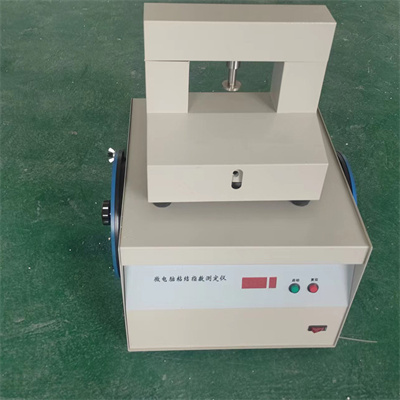
The first step is to connect the oxygen device. Connect the pressure reducing valve of the oxygen cylinder to the oxygen interface of the calorimeter. When connecting, pay attention to the sealing of the interface and tighten the connecting nut to prevent oxygen leakage. After the connection is completed, slowly open the main valve of the oxygen cylinder, observe the pressure gauge of the pressure reducing valve, and adjust the pressure to the pressure range specified by the calorimeter, usually 0.2-0 MPa. If the pressure is too high, the instrument may be damaged. If the pressure is too low, it cannot meet the experimental needs.
The second step is to start the oxygenation procedure. Follow the prompts of the operation panel of the calorimeter, find the oxygenation function button, and start the oxygenation procedure. At this time, the instrument will automatically perform the oxygenation operation, and the oxygenation time needs to be set in strict accordance with the requirements of the instrument manual, generally 15-30 seconds. If the oxygenation time is too short, the amount of oxygen will be insufficient, which will affect the combustion effect; if the oxygenation time is too long, it will cause oxygen waste and may also cause safety hazards.
The third step is to check the oxygenation effect. After the oxygenation is completed, close the main valve of the oxygen cylinder and observe whether the pressure indicator of the calorimeter is stable. If the pressure is stable, it means that the oxygenation is successful; if the pressure drops, re-check whether the connection part is sealed and deal with the air leakage problem in time.
Precautions for oxygen filling in a calorimeter
During the oxygenation process, the operator needs to be present throughout the process, and it is strictly forbidden to stay away from the operation site to avoid emergencies that cannot be dealt with in time. Oxygen cylinders are high-pressure vessels and need to be kept away from open flames and heat sources and placed in a well-ventilated place to prevent explosion accidents. In addition, after oxygenation is completed, it is necessary to close the main valve and pressure reducing valve of the oxygen cylinder in time, organize the connecting pipes, and keep the operating environment clean.
Mastering the correct oxygen filling method of the calorimeter can not only ensure the accuracy of the experimental data, but also prolong the service life of the instrument. Strictly following the above steps can easily complete the oxygenation work and lay the foundation for the smooth progress of the experiment.
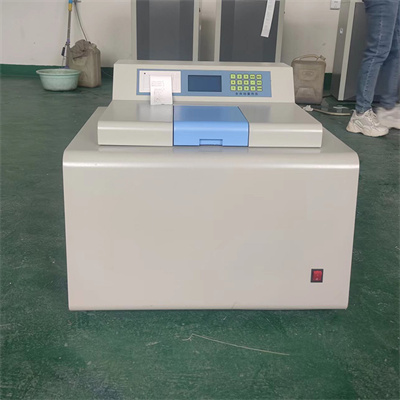 How to read calorimeter data
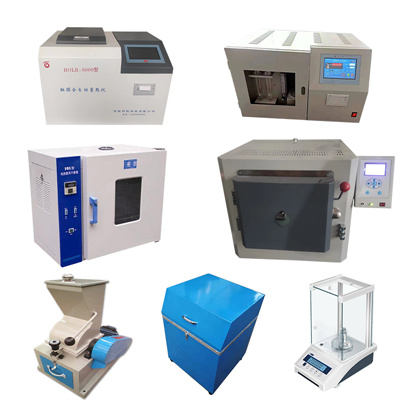 What is the design principle of a calorimeter?
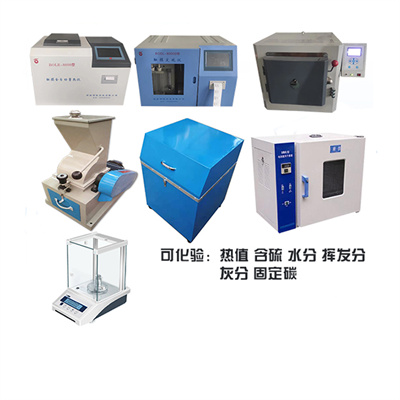 What is the harm of lack of water in the calorimeter?
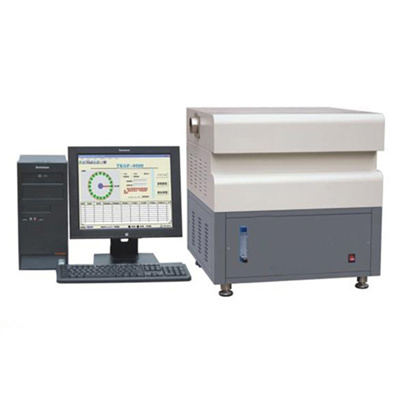 What is the input interface of the calorimeter?