What is the calorimeter heat?
In the fields of energy, chemical industry, etc., calorimeters are key devices for accurately measuring heat. So how do you understand the specific amount of heat measured by a calorimeter?
Heat measurement principle of calorimeter
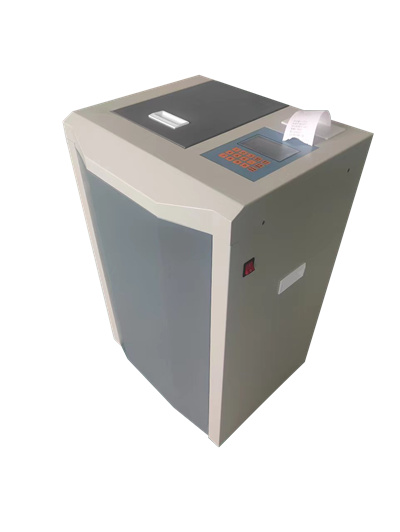
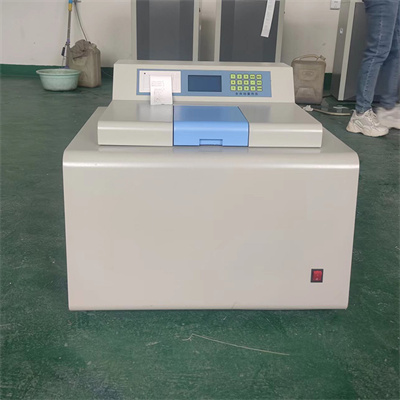
Calorimeters work according to the laws of thermodynamics and determine heat values by measuring the amount of heat absorbed or released when a substance reacts under certain conditions. Take an oxygen bomb calorimeter as an example. A sample is burned in an oxygen bomb filled with oxygen. The instrument precisely captures the changes in the temperature of the system during the combustion process, and combined with the heat capacity of the instrument, the heat released by the sample can be calculated.
Calorimeter unit of heat
The commonly used units of heat measured by a calorimeter are joules (J) and kilocalories (kcal). Joules are international standard energy units, and 1 joule represents the work done by a force of 1 Newton to move an object 1 meter in the direction of the force. Kcal is more common in life. 1 kcal is equal to 1000 calorie, which refers to the heat required to raise the temperature of 1 kg of pure water by 1 ° C. In different scenarios, you can choose the appropriate unit according to your needs.
Calculation method of calorimeter heat
To calculate the heat measured by a calorimeter, it is necessary to determine the heat capacity of the instrument, that is, the heat required by the instrument to raise the unit temperature. The heat capacity is calibrated by standard materials (such as benzoic acid). After that, according to the temperature change of the system before and after the sample is burned, the heat released by the sample can be calculated by using the formula: heat = heat capacity × temperature change value. When calculating, the experimental conditions must be strictly controlled to ensure the accuracy of the data.
Factors Affecting Calorimeter Heat Determination
The temperature of the experimental environment, the uniformity of the sample, the sealing of the oxygen bomb, etc., will affect the heat measurement results of the calorimeter. Before the experiment, the calorimeter should be placed in a constant temperature environment to ensure that the sample is fully dried and polished evenly, and the sealing of the oxygen bomb should be checked to avoid oxygen leakage. Only by strictly controlling these factors can reliable heat data be obtained.
Mastering the knowledge of calorimeter heat is of great significance to the work of energy detection and product quality control. By understanding the measurement principle, unit, calculation method and influencing factors, the calorimeter can be better used to provide accurate data support for related research and production.
 How to read calorimeter data
 What is the design principle of a calorimeter?
 What is the harm of lack of water in the calorimeter?
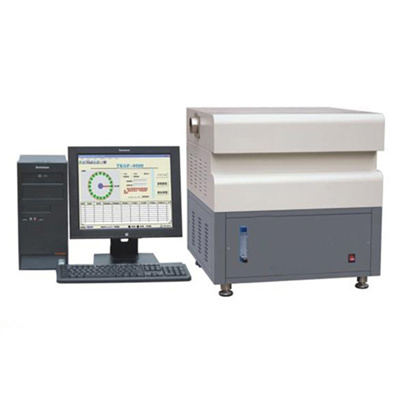 What is the input interface of the calorimeter?