How to solve the instability of the calorimeter
In laboratory testing, the stability of the calorimeter is directly related to the accuracy of the test results. Once an unstable situation occurs, it not only affects the experimental progress, but also may lead to data bias. The following is a detailed introduction to the solution to the instability of the calorimeter to help you quickly troubleshoot and restore the normal operation of the instrument.
First, check environmental factors and build a stable foundation
Environmental factors are a common cause of instability in calorimeters. First, ensure that the table where the instrument is placed is flat and stable to avoid affecting the stable operation of the internal components of the instrument due to the shaking of the table. Second, the ambient temperature needs to be kept constant. It is recommended to control the laboratory temperature at 20-25 ° C. Temperature fluctuations over Dayee will cause the thermal balance of the instrument to be broken. At the same time, it is necessary to stay away from strong electromagnetic interference sources, such as large motors and transformers, to prevent electromagnetic interference from affecting the circuit system and signal transmission of the instrument, and reduce the unstable factors caused by the environment from the root.
Second, check the instrument components to accurately locate the fault
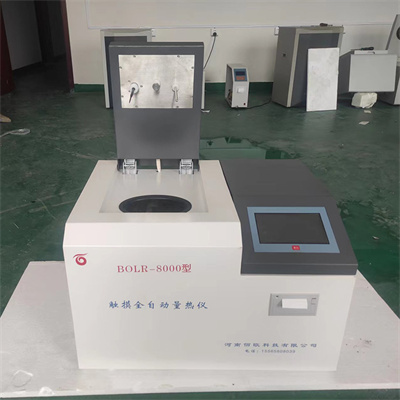
The abnormality of the instrument components is one of the core reasons for the instability of the calorimeter. First, check the power connection to confirm whether the power cord plug is plugged in tightly and whether the socket is powered normally. If the power supply is in poor contact, the instrument will experience voltage fluctuations, resulting in unstable operation. You can try to replace the socket or power cord to solve it. Second, check the status of the sensor. If the temperature, pressure and other sensors of the calorimeter have problems such as aging and poor contact, it will lead to data collection deviations. It is necessary to clean the sensor interface regularly and replace the aging sensor if necessary. Third, check the stirring device. Uneven stirring will affect the heat transfer and lead to fluctuations in the detection results. Check whether the stirring paddle rotates smoothly, whether there is a card or wear. Clean up foreign objects or replace
III. Standardize calibration operations to ensure accurate testing
Inadequate calibration is a key factor in the instability of the calorimeter. The calorimeter needs to be calibrated regularly in strict accordance with the requirements of the instrument manual. Before calibration, ensure that the quality and purity of the standard material meet the requirements, and the instrument is in a preheated stable state (generally preheated for more than 30 minutes). During the calibration process, the relevant parameters of the standard material need to be accurately entered. If the data is still unstable after calibration, the calibration can be repeated 2-3 times to eliminate operation errors. At the same time, a calibration record should be established to facilitate the traceability of the calibration time and parameters, to ensure that the instrument is always in an accurate calibration state, and to fundamentally ensure stability.
Fourth, do a good job in daily maintenance to extend the life of the instrument
Inadequate daily maintenance will accelerate the wear and tear of the instrument, resulting in frequent instability problems. After each use, it is necessary to clean up the residual substances inside the instrument in time to avoid the accumulation of impurities affecting the operation of the components; regularly lubricate and maintain the key components of the instrument, such as the stirring shaft, transmission device, etc., to reduce the running card caused by the wear and tear of the components; in addition, it is necessary to regularly conduct a comprehensive inspection of the instrument to detect and deal with potential faults in time, such as aging lines and loose components. Through standardized maintenance procedures, the incidence of instrument failures can be reduced and long-term stable operation can be maintained.
If the calorimeter is still unstable after investigation according to the above methods, it is recommended to contact the professional and technical personnel of the instrument manufacturer in time, and do not disassemble the instrument by yourself to avoid more serious damage and ensure that the instrument is professionally and accurately repaired.
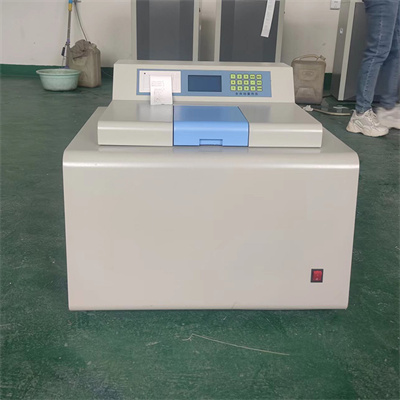 How to read calorimeter data
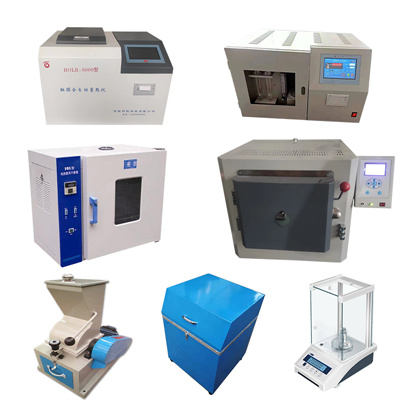 What is the design principle of a calorimeter?
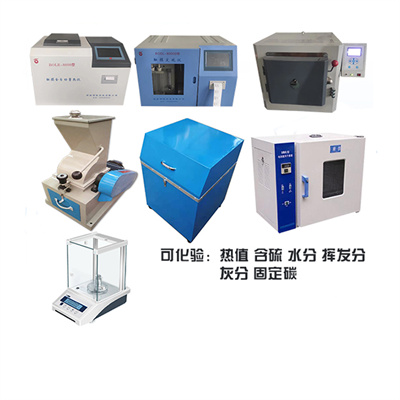 What is the harm of lack of water in the calorimeter?
 What is the input interface of the calorimeter?