How many catties does the calorimeter use?
When conducting calorific value testing in the laboratory, the accurate control of the water consumption of the calorimeter is the core premise to ensure the accuracy of the test results. Many operators will wonder: how many catties of water should the calorimeter use? In fact, the dosage is not arbitrarily set, and it needs to be scientifically determined in combination with the principles and specifications of the instrument.
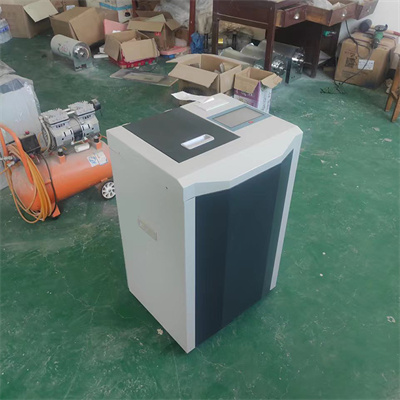
First, the core principle of calorimeter water use
The calorimeter absorbs the heat released by the combustion of the sample through water, and then calculates the calorific value according to the change of water temperature. As a medium for heat transfer, too much water will lead to a small change in water temperature and a decrease in detection sensitivity; too little water may exceed the range of the instrument, or even damage parts due to local overheating, so the standard dosage must be strictly followed.
Second, the weight standard of conventional calorimeter water
The current mainstream oxygen bomb calorimeter, the standard water consumption is usually 2000-3000 grams, that is, 4-3 kilograms. This range is determined according to the design capacity of the instrument, heat dissipation efficiency and other parameters, which can meet most sample testing needs. The specific dosage needs to be marked with reference to the instrument manual. There may be subtle differences between different types of instruments. Be sure to check the equipment parameters before operation.
III. Key considerations for water operation
1. Water quality requirements: Distilled water or deionized water should be used to avoid impurities in tap water affecting heat conduction and leading to deviations in test results.
2. Water quantity calibration: After adding water, the water quantity needs to be confirmed through the instrument calibration function to ensure that it is consistent with the set value. If there is a deviation, it needs to be adjusted in time.
3. Regular maintenance: Check the amount of water after each test. If evaporation decreases, it needs to be replenished to the standard range in time. At the same time, replace the water in the tank regularly to prevent the growth of microorganisms.
IV. Practical operation standards ensure accurate testing
In addition to controlling the water consumption, it is also necessary to ensure the operation specifications of adding water: avoid splashing when adding water to prevent it from entering the instrument circuit components; after adding water, it needs to stand for 5 minutes, and then carry out testing after the water temperature is stable. Only by strictly following the water standards and operating specifications can the calorimeter perform at its best and ensure the authenticity of the detection data.
Mastering the precise dosage and standardized operation of the calorimeter water can not only improve the detection efficiency, but also ensure the safety of the experiment. Keeping in mind the core dosage range of 4-3 kg and adjusting it flexibly according to the requirements of the instrument, it is easy to deal with various detection scenarios.
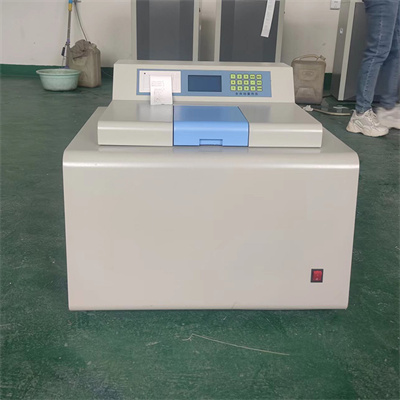 How to read calorimeter data
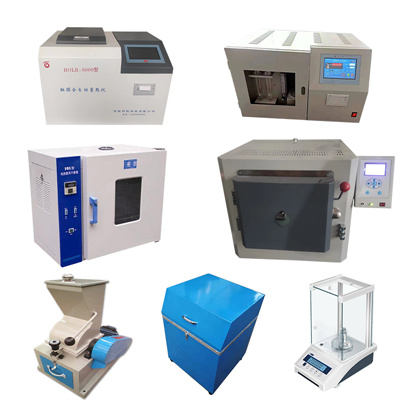 What is the design principle of a calorimeter?
 What is the harm of lack of water in the calorimeter?
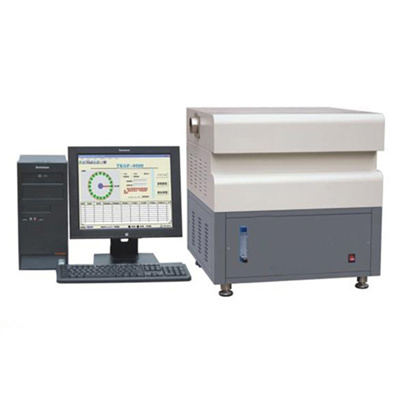 What is the input interface of the calorimeter?