How much is the appropriate setting for the calorimeter?
When using a calorimeter, temperature adjustment is the core step to ensure accurate measurement. With different samples and different detection requirements, the temperature setting requirements vary significantly. Only by mastering the appropriate adjustment standards can we ensure the reliability of the experimental results.
Basic temperature setting for conventional samples: For solid fuel samples such as coal and coke, the temperature of the outer cylinder of the calorimeter is recommended to be stable at 20-25 ° C, and the temperature of the inner cylinder should be 1-2 ° C lower than that of the outer cylinder. This temperature difference can ensure smooth heat transfer and avoid measurement errors due to excessive temperature difference. If the sample is a liquid fuel, the temperature of the outer cylinder can be maintained at 22-26 ° C. The temperature of the inner cylinder is fine-tuned according to the calorific value of the sample to ensure that the heat is fully released after ignition and the data is stable.
Targeted adjustment of special samples: For low calorific value samples, such as some biomass fuels, it is necessary to appropriately increase the temperature of the outer cylinder to 25-28 ° C, and at the same time control the temperature difference between the inner cylinder and the outer cylinder at 0.5-1 ° C to prevent heat loss from affecting the detection accuracy too quickly; For hot topic value samples, the temperature of the outer cylinder can be maintained at 20-23 ° C, and the temperature of the inner cylinder is slightly lower than that of the outer cylinder to avoid overloading the instrument due to excessive heat release and ensure the stable operation of the equipment.
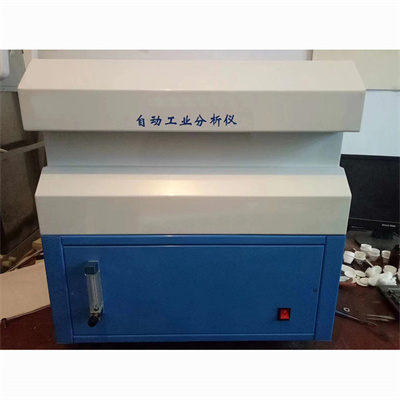
Key precautions in the adjustment process: Before adjusting the temperature each time, let the calorimeter preheat for 30 minutes, and then set the parameters after the instrument runs stably; after adjustment, a blank test should be carried out to verify whether the temperature setting is reasonable. If the blank test results deviate greatly, the temperature parameters need to be fine-tuned again. In addition, the parameters of different models of calorimeters are slightly different. Before adjustment, be sure to refer to the equipment manual and set accurately in combination with the characteristics of the sample, so that the calorimeter can play the best detection effect.
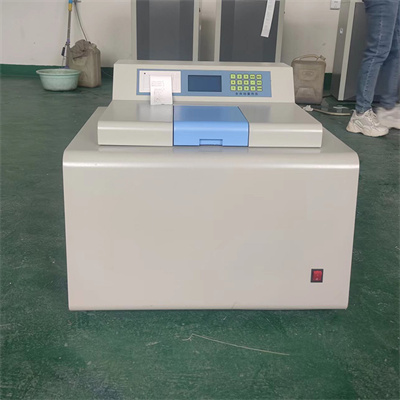 How to read calorimeter data
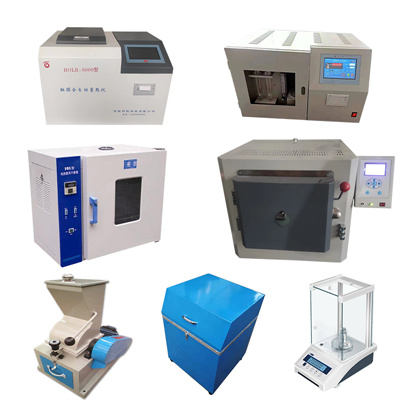 What is the design principle of a calorimeter?
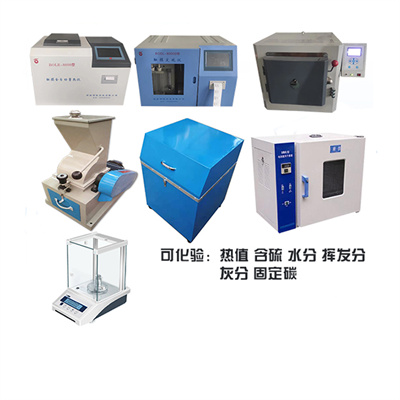 What is the harm of lack of water in the calorimeter?
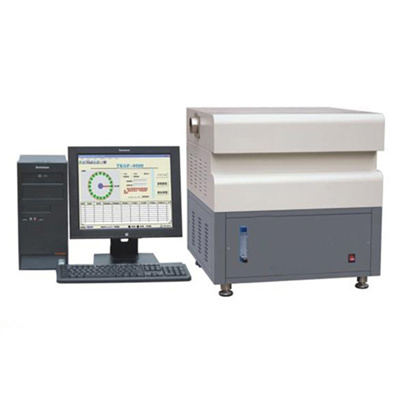 What is the input interface of the calorimeter?