What temperature does a calorimeter measure?
The calorimeter is a core instrument for heat analysis in energy, chemical and other fields. Its core function is to accurately measure the key temperatures in specific scenarios, providing a core basis for heat calculation. The following three types of temperatures are the key points of measurement.
Heat generation temperature: This is the most basic measurement object of a calorimeter. When measuring the heat generation of solid and liquid fuels (such as coal and petroleum products), the calorimeter will accurately capture the temperature change in the calorimeter system during the complete combustion of the fuel. By recording the initial temperature, the maximum temperature, and combining the heat capacity to calculate the heat generation of the fuel, it is the key data for energy quality determination.
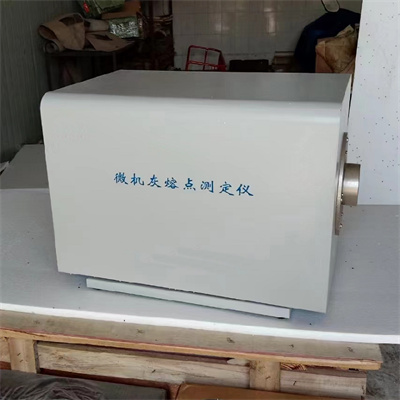
Combustion temperature: For the combustion reaction of various types of combustibles, the calorimeter can track the temperature peak and change curve during the combustion process in real time. Whether it is biomass fuel or chemical raw material combustion experiments, by measuring the combustion temperature, the combustion efficiency can be grasped, the combustion stability can be judged, and the process optimization can be supported.
Reaction temperature: In reaction experiments involving heat changes, a calorimeter can monitor the temperature changes of the reaction system. For example, exothermic and endothermic reactions in chemical synthesis and material preparation, by accurately capturing the reaction temperature, the reaction thermal effect can be determined, providing a reliable basis for experimental parameter adjustment and process design.
By accurately measuring these temperatures, the calorimeter provides key data for heat-related work in various industries, and masters its measurement core, enabling more efficient heat analysis and quality control.
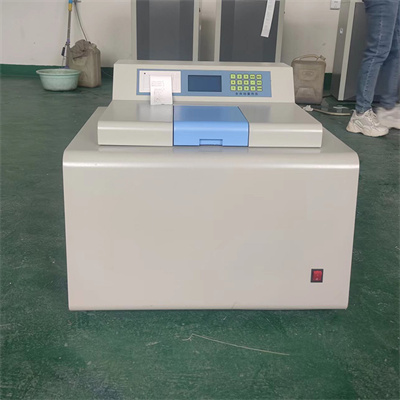 How to read calorimeter data
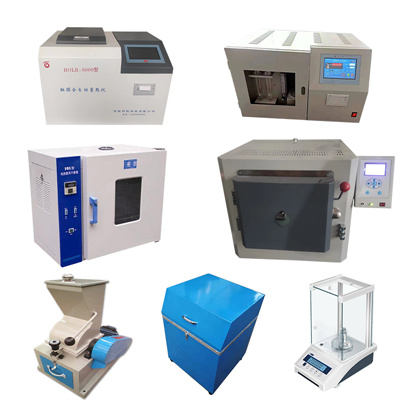 What is the design principle of a calorimeter?
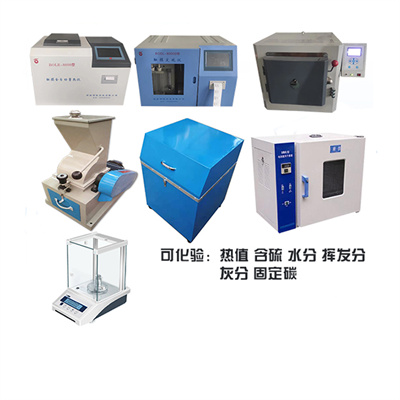 What is the harm of lack of water in the calorimeter?
 What is the input interface of the calorimeter?