How to distinguish the quality of a calorimeter
As the core equipment for accurately detecting heat, calorimeters are widely used in energy, chemical industry, scientific research and other fields, and their quality directly affects the reliability of test results. To quickly distinguish the pros and cons of calorimeters, you can start from the following three core dimensions:
First, look at the core accuracy indicators to lock in the reliability of detection
Precision is the core lifeblood of a calorimeter, which directly determines whether the test results are accurate. High-quality calorimeters have extremely high heat capacity stability. They test the same standard sample multiple times in a row, and the result deviation needs to be controlled within 0.1%. They also have an automatic temperature compensation function, which can accurately offset the impact of ambient temperature fluctuations. When purchasing, be sure to check the factory calibration report of the equipment, and focus on confirming the heat capacity calibration data. If the data fluctuates greatly and there is no authoritative calibration qualification endorsement, it can be basically determined that the accuracy is not up to standard.
Second, check the stability of operation to ensure long-term efficient use
Stability determines whether the equipment can operate stably for a long time to avoid frequent maintenance and delay work. The constant temperature system of a high-quality calorimeter has outstanding performance and can remain stable for a long time at the set temperature, without temperature drift or excessive fluctuations. At the same time, key components such as oxygen bombs and sensors are made of high-quality materials, which have strong wear resistance and corrosion resistance. It can still maintain the detection accuracy after working for several hours continuously, and there will be no data jumps, air leaks and other problems. By continuously detecting multiple samples, the consistency of the data can be observed. If the data is high or low, the stability will inevitably fail to meet the standard.
III. Look at the convenience of operation and after-sales guarantee to reduce the cost of use
Convenient operation can greatly improve work efficiency. High-quality calorimeters are usually equipped with a user-friendly operation interface, with one-button start, automatic calibration, and intelligent data processing functions. They can be used without complex training, and support automatic data storage and export, which is convenient for subsequent traceability. In addition, perfect after-sales guarantee is the key to the long-term stable operation of the equipment. High-quality manufacturers will provide at least 1 year of quality assurance for the whole machine, equipped with a professional after-sales team, able to respond to maintenance needs in a timely manner, and also provide free calibration training to avoid improper operation affecting the detection accuracy.
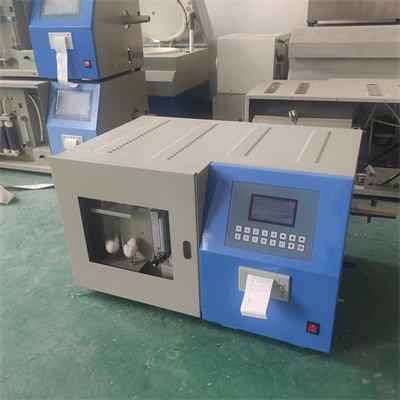
Summarize: To distinguish the quality of a calorimeter, the core is to closely follow the three dimensions of accuracy, stability, operation and after-sales, and combine the comprehensive judgment of testing data, component materials, and operation experience to select high-quality equipment that truly meets the needs and ensure the accuracy and efficiency of testing work.
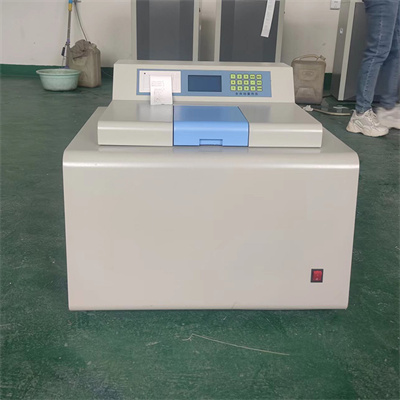 How to read calorimeter data
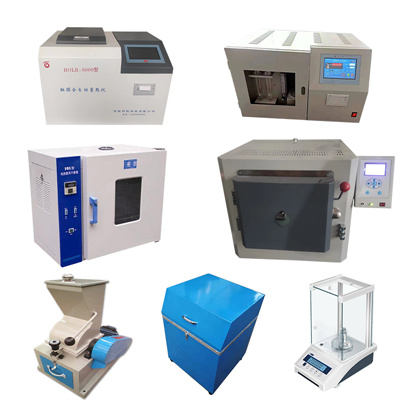 What is the design principle of a calorimeter?
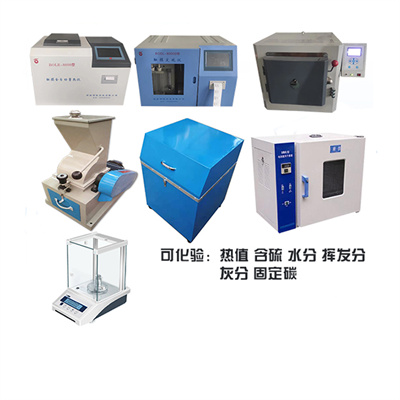 What is the harm of lack of water in the calorimeter?
 What is the input interface of the calorimeter?