What should the calorimeter pay attention to?
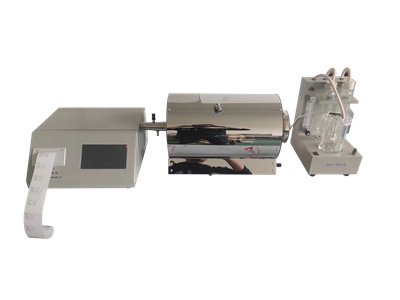
As the core equipment for accurately measuring heat, calorimeters are widely used in energy, chemical industry, scientific research and other fields. If you want to ensure accurate measurement results and stable operation of the equipment, many details during use cannot be ignored. The following key points must be kept in mind.
Standardized operation is the foundation
Before operation, it is necessary to carefully check whether the appearance of the calorimeter is damaged, and whether the power supply and circuit connections are stable to avoid potential safety hazards caused by equipment failure. During sample preparation, the sample volume should be strictly controlled according to the instrument manual. Too much or too little will affect the heat transfer and lead to measurement deviation. When loading the sample, the action should be gentle to prevent the sample from spilling and contaminating the instrument and affecting the subsequent measurement accuracy.
Accurate calibration is essential
Calibration is a key step to ensure the accuracy of the calorimeter measurement. The instrument needs to be calibrated regularly with standard materials. During the calibration process, the calibration data should be recorded in strict accordance with the operation procedures. If the calibration results are found to have large deviations, the cause should be investigated in time. It may be caused by ambient temperature fluctuations, aging of instrument parts, etc., and if necessary, contact a professional for maintenance and debugging.
Daily maintenance to ensure performance
After each use of the calorimeter, it is necessary to clean the samples and impurities remaining inside and outside the instrument in time to keep the equipment clean. Regularly check the key components of the instrument, such as stirrers, temperature sensors, etc., to check for wear and loose conditions, and replace damaged parts in time. At the same time, the instrument should be placed in a dry, ventilated, and non-strong electromagnetic interference environment to avoid environmental factors affecting the performance of the instrument.
Safety protection keep in mind
During the use of the calorimeter, high temperature and high pressure may be involved. Operators must take safety measures and wear protective gloves, goggles, etc. It is strictly forbidden to open the protective device when the instrument is running to prevent burns, electric shock and other accidents. In addition, emergency plans should be formulated. In the event of an emergency, effective measures can be taken quickly to ensure the safety of personnel and equipment.
Mastering the key points of using these calorimeters can not only improve the accuracy of measurement, but also prolong the service life of the equipment, providing a strong guarantee for the smooth development of various tasks.
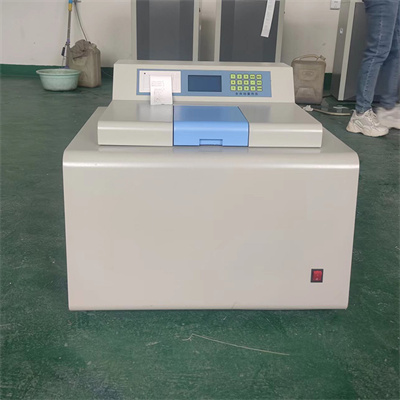 How to read calorimeter data
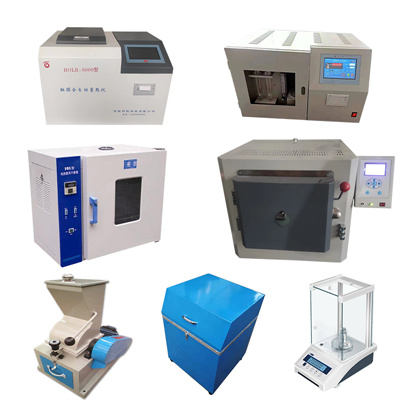 What is the design principle of a calorimeter?
 What is the harm of lack of water in the calorimeter?
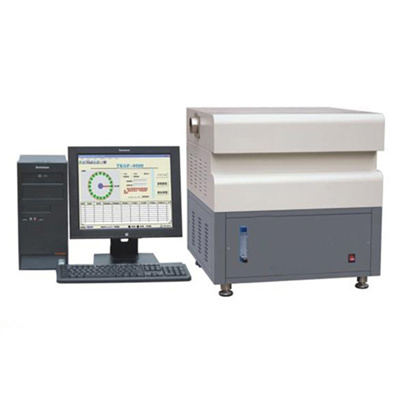 What is the input interface of the calorimeter?