How many liters of water is added to the calorimeter?
In the calorimetry experiment, the precise control of the amount of water added to the calorimeter is directly related to the accuracy of the experimental results, and it is the core premise to clarify the water addition standard. There are differences in the water addition capacity of different types of calorimeters, and the standard water addition capacity of most conventional calorimeters is 10-15 liters. This range can ensure the uniform and stable water temperature in the instrument, provide an ideal environment for heat transfer, and avoid data deviation due to improper water volume.
Key preparations need to be made before adding water. First, confirm the specifications and models of the calorimeter, carefully read the instrument manual, and accurately obtain the water capacity parameters of the corresponding model. This is the core basis for avoiding blind water addition. At the same time, clean distilled water or deionized water should be used to prevent impurities in the water from adhering to the inner wall of the instrument, affecting the heat conduction efficiency, and even corroding the instrument parts to ensure the purity of the experiment and the service life of the instrument.
Standardize the operation process of adding water cannot be ignored. When adding water, you need to use a special measuring tool with a scale, and add water slowly in strict accordance with the capacity marked in the manual to avoid excessive overflow or insufficient water addition. During the water addition process, you should closely observe the water level scale of the instrument, and stop adding water immediately when the water surface reaches the specified scale line to ensure that the water volume is accurate.
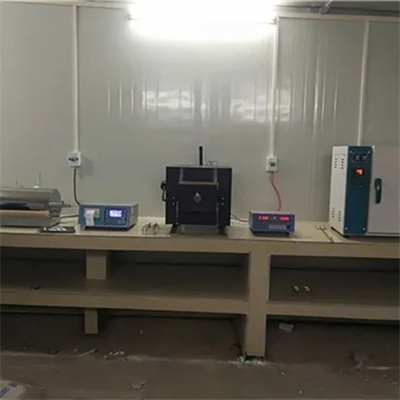
Inspection and calibration after adding water is crucial. After adding water, it is necessary to check again whether the water level is up to standard, and at the same time check the sealing of the instrument to prevent heat loss due to loose sealing and affect the experimental accuracy. If abnormal water temperature fluctuations are found during the experiment, it is necessary to check in time whether it is caused by improper water addition, and readjust the water volume if necessary to ensure the reliability of the experimental data.
Mastering the precise amount of water added to the calorimeter can not only improve the accuracy of the experimental results, but also prolong the service life of the instrument. It is a basic and necessary skill for the operation of calorimetry experiments. Only by operating in strict accordance with the specifications can the experiment be advanced efficiently.
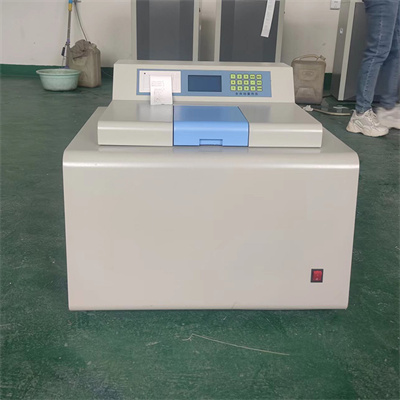 How to read calorimeter data
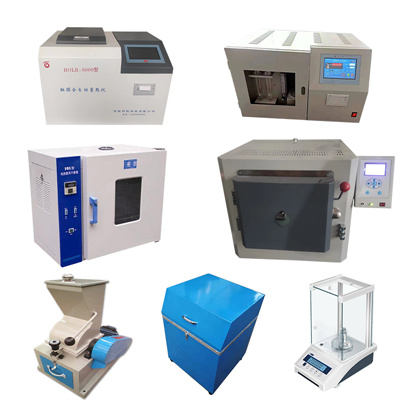 What is the design principle of a calorimeter?
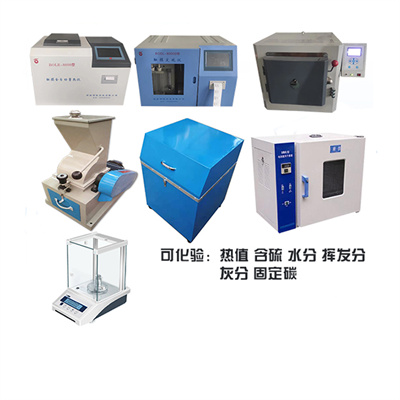 What is the harm of lack of water in the calorimeter?
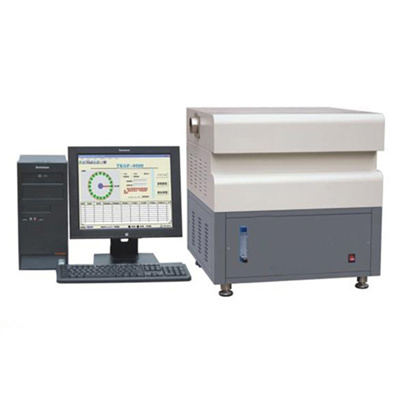 What is the input interface of the calorimeter?