What do you think of the calorimeter?
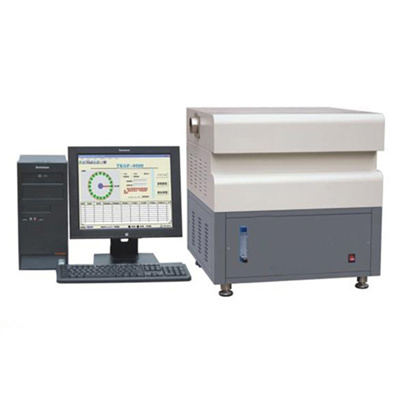
In all kinds of thermal experiments and testing work, the calorimeter plays a key role, and accurately grasping the reading and operation methods of the calorimeter is the core to ensure the accuracy of the experimental data. Here is a detailed explanation of how the calorimeter looks, to help you get started quickly.
Familiarity with the basic structure of a calorimeter
To understand the calorimeter, you must first understand its basic structure. The calorimeter is mainly composed of an inner cylinder, an outer cylinder, an agitator, a temperature sensor and other components. The inner cylinder is used to hold the sample to be tested and the ignition material. The outer cylinder plays the role of constant temperature insulation. The agitator ensures that the temperature of the inner cylinder is uniform. The temperature sensor is responsible for accurately capturing temperature changes. These components work together to lay the foundation for accurate measurement.
Master the core reading steps
1. Boot preheating and calibration: After turning on the calorimeter, preheat according to the instructions. After the instrument is stable, perform the calibration operation. Calibration is the premise of ensuring accurate data. Only when the calibration meets the standard can the subsequent readings have reference value.
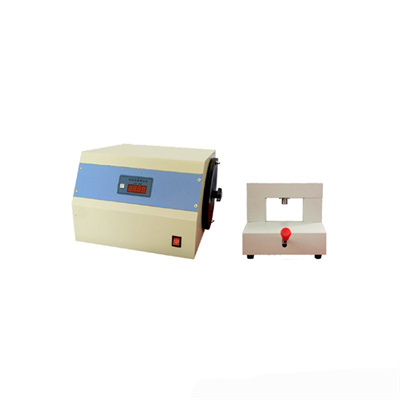
2. Sample loading and setting: Load the processed sample into the inner cylinder according to the specified amount, add an appropriate amount of ignition material, and then set the relevant parameters on the instrument operation interface, such as sample quality, expected calorific value, etc.
3. Start measurement and reading: After completing the setting, start the measurement program, and the instrument will automatically perform ignition, stirring, and temperature monitoring. After the measurement is completed, the instrument will directly display the calorific value data of the sample, and some calorimeters will also present the temperature change curve synchronously. Through the curve, the stability of the measurement process can be further analyzed.
Remember the operating precautions
1. Environmental control: The calorimeter needs to be placed in an environment with stable temperature and no strong electromagnetic interference. Excessive fluctuations in ambient temperature will affect the measurement accuracy, and strong electromagnetic interference may interfere with the normal operation of the instrument.
2. Sample processing: Samples should be uniform and dry, and the filling amount should be strictly in accordance with the requirements of the instrument. Too much or too little will lead to deviations in the measurement results.
3. Instrument maintenance: Regularly clean the inner cylinder, agitator and other components of the calorimeter, check the sensitivity of the temperature sensor, and do a good job of maintenance to prolong the service life of the instrument and ensure the measurement accuracy.
By mastering the above methods, you can easily understand the calorimeter and accurately obtain experimental data. If you encounter any questions during operation, you can consult the instrument manual at any time, or consult professional technicians.
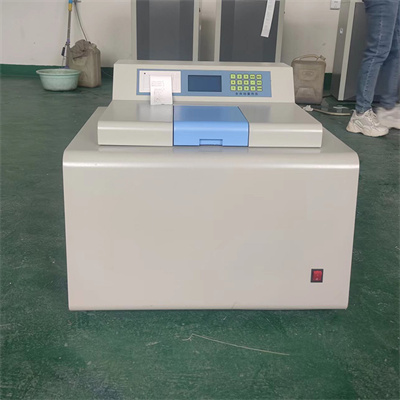 How to read calorimeter data
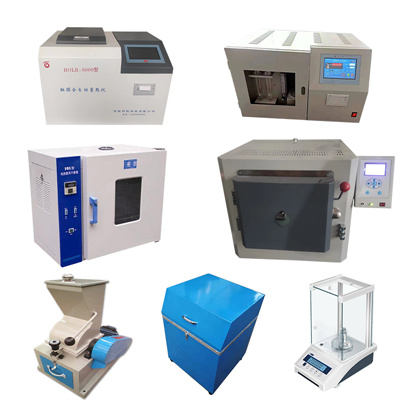 What is the design principle of a calorimeter?
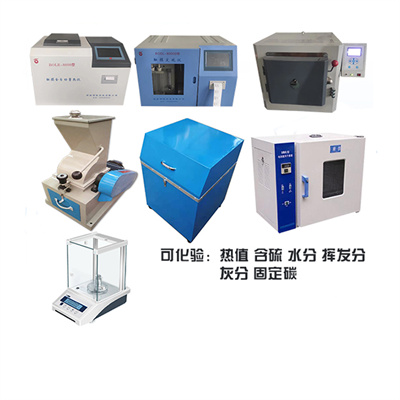 What is the harm of lack of water in the calorimeter?
 What is the input interface of the calorimeter?