How to use an accelerated calorimeter
Preparation: Environmental and equipment inspections
Before using an accelerated calorimeter, ensure that the experimental environment is stable, the temperature is controlled at 15-30 ° C, and the humidity is maintained at 40% -60% to avoid strong electromagnetic interference. Carefully check the appearance of the instrument to see if the power cord and data cable are firmly connected and whether the components are damaged. At the same time, prepare the sample to be tested to ensure that the sample meets the requirements of the instrument, such as shape, range, etc.
Sample loading: standard operation to ensure safety
Open the sample compartment of the accelerated calorimeter and put an appropriate amount of the sample to be tested into the special sample container. Note that the sample volume should not exceed the scale specified by the container to prevent overflow. When loading, the action should be gentle to avoid sample spilling or container collision with the instrument. After loading is completed, close the sample compartment to ensure a good seal to prevent heat loss from affecting the measurement results.
Parameter settings: accurately match experimental requirements
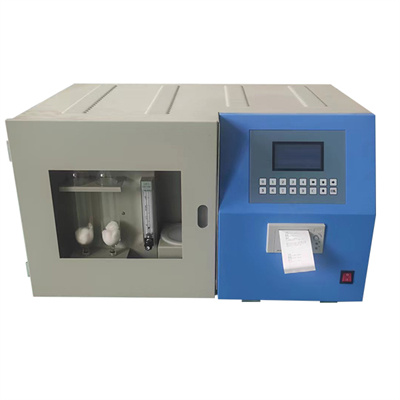
Turn on the power of the instrument and enter the operation interface. According to the experimental purpose and sample characteristics, precisely set parameters, such as heating rate, measurement range, data collection frequency, etc. The heating rate needs to be reasonably selected according to the reaction characteristics of the sample. Too fast may lead to runaway reaction, and too slow will prolong the experiment time. After setting, carefully check the parameters to ensure that they are correct.
Start measurement: real-time monitoring to ensure stability
After confirming that the parameters are set correctly, click the start button to accelerate the calorimeter to start working. During the measurement process, pay close attention to the running status of the instrument to see if the temperature, pressure and other data changes are normal. If there is an abnormal fluctuation, the measurement should be stopped immediately to investigate the cause. At the same time, record the start time of the experiment for subsequent analysis.
Data processing: the results of scientific analysis
After the measurement, the instrument will automatically generate a data report. Organize and analyze the data, use professional software to draw heat change curves, and calculate key parameters such as reaction heat and specific heat capacity according to the curve characteristics. During analysis, it is necessary to combine the experimental background and sample characteristics to eliminate interference factors to ensure accurate and reliable results.
Cleaning and maintenance: Extend the service life of the instrument
After the experiment is completed, clean the sample compartment and container in time to remove the residual sample. Wipe the surface of the instrument to keep it clean and dry. Regularly calibrate and maintain the instrument to check the performance of key components to ensure that the instrument is always in good operating condition and prolong the service life.
Mastering the correct use of the accelerometer can not only improve the experimental efficiency, but also ensure the accuracy of the experimental results, providing strong support for scientific research and production.
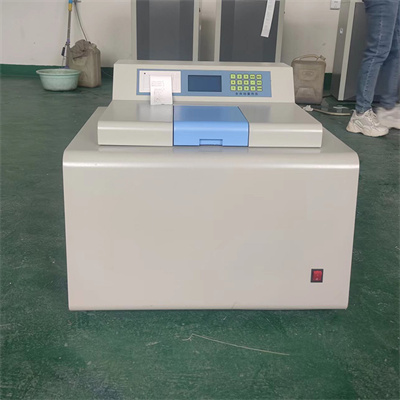 How to read calorimeter data
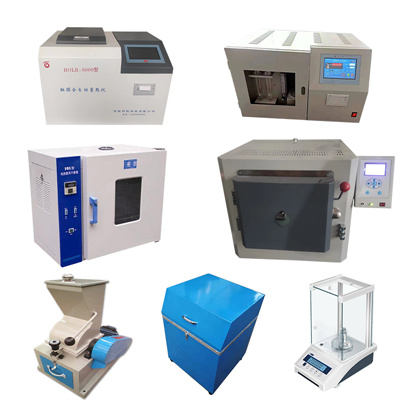 What is the design principle of a calorimeter?
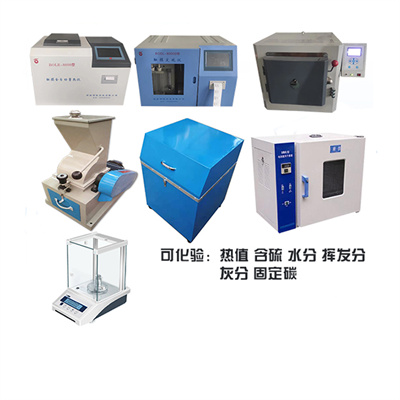 What is the harm of lack of water in the calorimeter?
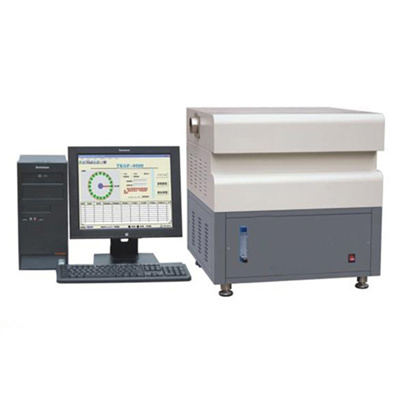 What is the input interface of the calorimeter?