What can the calorimeter measure?
The calorimeter is the core instrument for controlling the calorific value of substances in the field of energy and chemical industry. Its detection range is directly related to the quality control of raw materials and products by enterprises. Here are the key objects it can measure.
Coal and coal products: This is the most common application scenario of calorimeters. Whether it is raw coal, clean coal, briquette, or slime, the calorimeter can accurately determine its calorific value, which is the core indicator for judging the quality of coal and determining the combustion efficiency. It is directly related to the energy cost and operation efficiency of thermal power plants and heating enterprises.
Fuel oil and refined oil: For diesel, gasoline, heavy oil, kerosene and other fuels, calorimeters can accurately measure their calorific value, help enterprises control the energy density of fuels, ensure the stable and efficient operation of engines, boilers and other equipment, and provide key data support for fuel procurement and quality acceptance.
Biomass fuel: With the promotion of clean energy, the demand for calorific value detection of biomass fuels such as straw granules, wood pellets, and biomass briquettes has surged. Calorimeters can accurately determine the calorific value of such fuels, helping biomass energy companies optimize production processes and ensure that products meet environmental protection and energy standards.
Chemical raw materials and products: In chemical production, the calorific value of some raw materials and intermediate products is a key process parameter. Calorimeters can measure the calorific value of chemical materials such as methanol, ethanol, and synthetic resins, providing a basis for process adjustment and energy consumption accounting, and ensuring production safety and product quality stability.
Other solid and liquid fuels: In addition to the above common objects, calorimeters can also detect coke, asphalt, industrial waste-derived fuels, etc., covering all kinds of combustible solid and liquid materials to meet the energy quality inspection needs of different industries. They are an important tool for energy management and cost accounting.
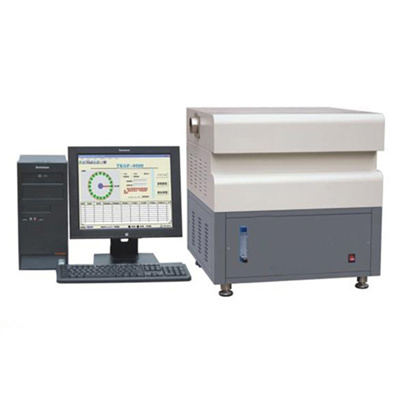
Through the accurate detection of calorimeters, enterprises can effectively control energy quality, optimize production processes, reduce operating costs, and lay a solid foundation for production and environmental protection.
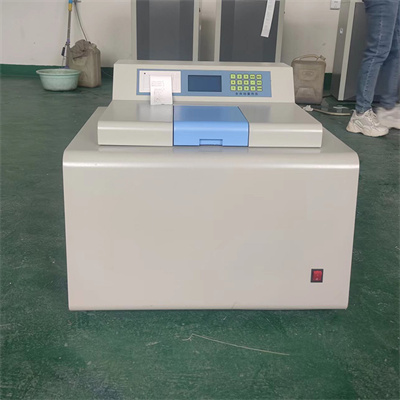 How to read calorimeter data
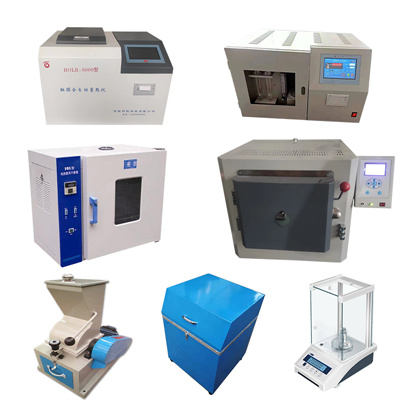 What is the design principle of a calorimeter?
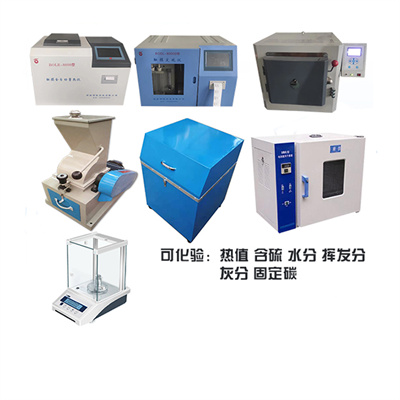 What is the harm of lack of water in the calorimeter?
What is the input interface of the calorimeter?
What is the harm of lack of water in the calorimeter?
What is the input interface of the calorimeter?