What does the calorimeter measure?
The core measurement scope of calorimeter
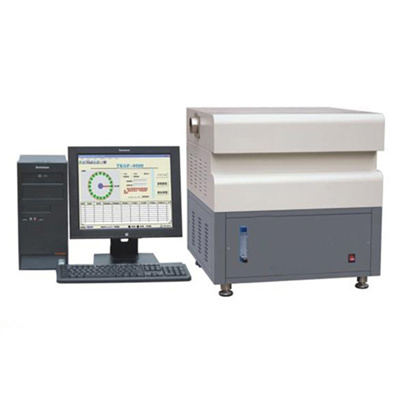
As an accurate calorimeter, calorimeter plays a key role in the fields of energy, chemical industry, and scientific research. Its measurement content is closely related to the energy release and transformation of various substances.
Accurate determination of fuel calorific value
In the field of energy, the first task of a calorimeter is to determine the calorific value of a fuel. Whether it is coal, oil, or natural gas, the heat released during combustion is directly related to energy efficiency. Through the calorimeter, the heat released by the complete combustion of a unit mass (or volume) of fuel can be accurately calculated. It provides key data support for energy pricing and combustion equipment design, helping enterprises optimize energy allocation and reduce production costs.
Accurate measurement of chemical reaction heat
In chemical and scientific scenarios, calorimeters are used to measure the heat of chemical reactions. During chemical reactions, heat is often absorbed or released. Calorimeters can capture these heat changes in real time and accurately determine the enthalpy change of the reaction. This is essential for developing new chemical reactions and optimizing reaction conditions. It can help researchers understand the reaction mechanism in depth, improve the conversion rate and product purity of the reaction, and promote chemical technology innovation.
Material thermal stability assessment
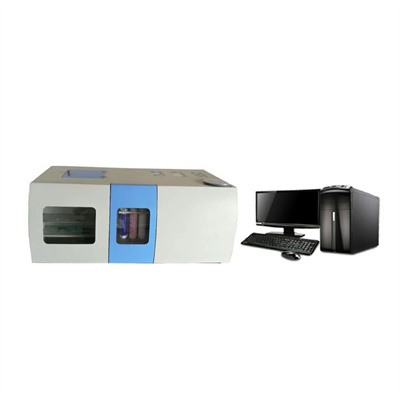
The thermal stability of materials is also the focus of measurement by calorimeters. By monitoring the heat change of materials at different temperatures, its thermal stability can be evaluated. For example, in the development of new materials, calorimeters can detect the thermal effects such as phase change and decomposition of materials during heating, providing a basis for the safe use and life prediction of materials, and ensuring the stability of materials in practical applications.
Thermal monitoring of biological metabolism
In the field of biomedicine, calorimeters can monitor the metabolic heat of organisms. Organisms generate heat during metabolism, and calorimeters can accurately measure these small heat changes, providing a new perspective for the study of biological metabolism laws and disease diagnosis, and assisting in the further development of life science research.
With its powerful measurement capabilities, calorimeters provide a solid technical foundation for the development of multiple industries, continuously driving various fields towards high efficiency and accuracy.
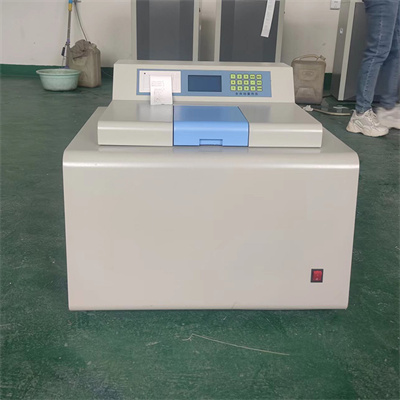 How to read calorimeter data
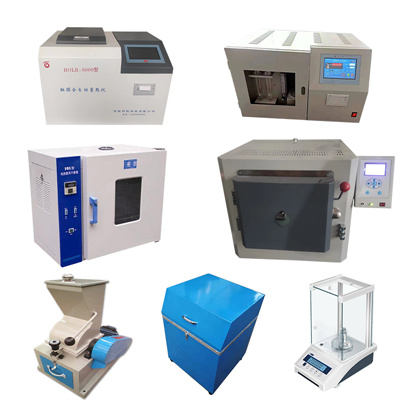 What is the design principle of a calorimeter?
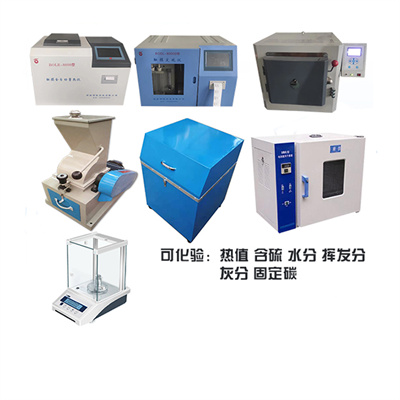 What is the harm of lack of water in the calorimeter?
 What is the input interface of the calorimeter?