What does calorimeter mean?
Core Definition of calorimeter
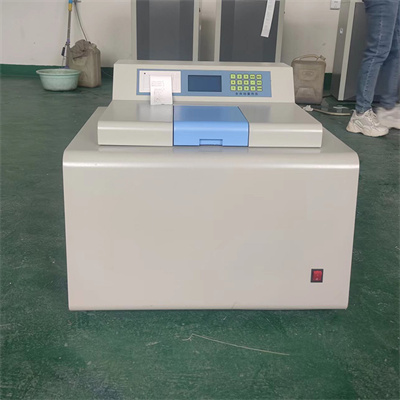
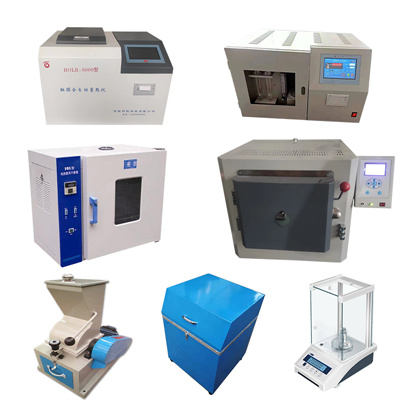
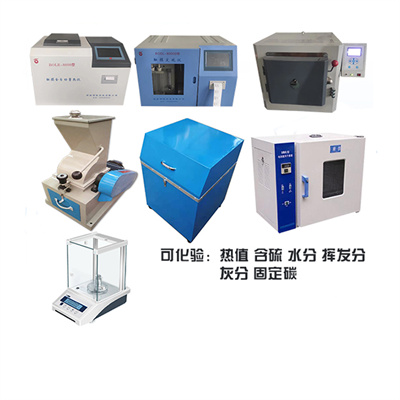
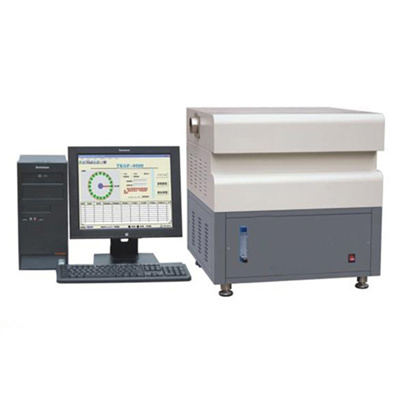
A calorimeter, also known as a calorimeter, is a professional analytical instrument specially used to accurately determine the heat of a substance. Its core function is to measure the heat released or absorbed by a substance under specific conditions, especially in the determination of the calorific value of solid and liquid fuels. It is a core tool for controlling heat data in the fields of energy, chemical industry, and scientific research.
The working principle of a calorimeter
The operation of the calorimeter relies on the basic principles of thermodynamics, and the mainstream oxygen bomb calorimeter adopts the classical law of heat conservation. During testing, the sample to be tested is placed in a closed oxygen bomb, filled with high-pressure oxygen and ignited. The heat released by the sample is fully burned and absorbed by the oxygen bomb and the surrounding water. The instrument can calculate the total heat released by the sample by accurately monitoring the change of water temperature and combining the specific heat capacity of the water and other parameters, and then obtain the calorific value data.
Main application scenarios of calorimeters
1. Energy field: In the quality inspection of coal, oil, natural gas and other energy sources, calorimeters are the core equipment. By measuring the calorific value of fuels, they directly determine the pricing and utilization efficiency of energy, providing a key basis for energy trading and boiler combustion parameter adjustment.
2. Chemical research and development: During the chemical synthesis process, the accurate determination of reaction heat relies on a calorimeter to help researchers grasp the change of reaction energy, optimize process conditions, and ensure production safety and energy consumption control.
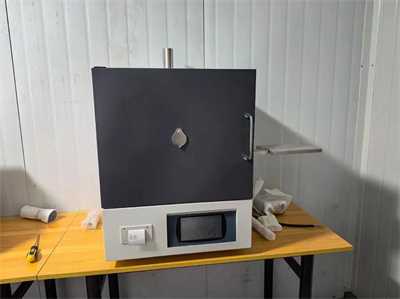
3. Scientific research experiments: In materials science, environmental science, and other research, calorimeters are used to determine the thermal stability of materials, the combustion heat of pollutants, and other data, providing accurate heat parameters for scientific research breakthroughs.
Key advantages of calorimeters
The core advantage of a calorimeter lies in high-precision measurement. The measurement error of modern advanced calorimeters can be controlled in a very small range, allowing for the accurate capture of subtle heat changes. At the same time, it has the convenience of operation and the continuous improvement of automation, which simplifies the operation process and reduces manual operation errors. It also has strong adaptability and can be adapted to different forms of samples to meet diverse detection needs, providing reliable heat detection solutions for various industries.
Mastering the relevant knowledge of calorimeters can help relevant practitioners accurately control heat data, improve the scientificity of production and testing, and is an indispensable professional knowledge in the fields of energy utilization and chemical production.
 How to read calorimeter data
 What is the design principle of a calorimeter?
 What is the harm of lack of water in the calorimeter?
 What is the input interface of the calorimeter?