How to add water to a calorimeter
The calorimeter plays a key role in various calorific value measurement experiments, and correctly adding water to the calorimeter is an important prerequisite to ensure the accuracy of the experiment. The following will introduce the steps and key points of adding water to the calorimeter in detail.
Prepare before adding water
Before adding water to the calorimeter, be sure to turn off the power of the instrument to avoid the risk of electric shock. At the same time, prepare pure distilled water, because impurities may affect the experimental results and even damage the instrument. Also check the appearance of the calorimeter for damage to ensure the safety of the water addition process.
Determine the location and amount of water added
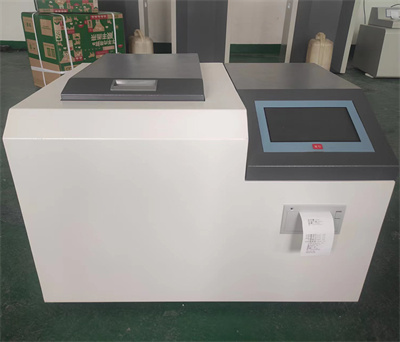
Different types of calorimeters have different water addition locations and water volume requirements, but usually the calorimeter will have a clear water addition logo. Generally speaking, water should be slowly injected into the designated water storage container. When adding water, pay attention to observe the water level scale and operate strictly according to the water level range specified in the instrument manual. Too much water may lead to overflow and affect the normal operation of the instrument; too little water cannot meet the experimental needs, resulting in inaccurate experimental data.
Water addition operation skills
During the water addition process, use appropriate tools, such as a graduated dropper or measuring cylinder, to precisely control the amount of water. Try to keep the water flow smooth and slow to avoid splashing on other parts inside the instrument. If water spills accidentally, wipe it with a clean cloth immediately to prevent the instrument from short-circuiting.
Check after adding water
After adding water, check again whether the water level meets the specified standards. Then, turn on the power supply, turn on the calorimeter, observe the running status of the instrument, and check for any problems such as water leakage and abnormal sound. If any abnormalities are found, turn off the power immediately and investigate the cause of the failure.
Precautions for regular maintenance and water addition
In addition to the correct addition of water before each experiment, it is also important to maintain the calorimeter regularly. Regularly clean the water storage container to prevent scale accumulation from affecting the performance of the instrument. At the same time, record the time and amount of water each time you add water to facilitate subsequent instrument maintenance and experimental data traceability.
Mastering the correct method of adding water to the calorimeter can not only ensure the smooth progress of the experiment, but also prolong the service life of the instrument. I hope the above content can help you easily learn to add water to the calorimeter to ensure that each experiment can obtain accurate and reliable results.
 How to read calorimeter data
 What is the design principle of a calorimeter?
 What is the harm of lack of water in the calorimeter?
 What is the input interface of the calorimeter?