How much calorimeter is normal?
In the coal, chemical, electric power and other industries, calorimeters are the core equipment for accurately measuring the calorific value of fuels. Whether their measurement values are normal or not directly affects the accuracy of the experimental results and the stability of the production process. So, how much is the calorimeter normal? The following are explained from the core standards, influencing factors and calibration points to help you quickly master the key knowledge.
First, the core determination standard for the normal value of the calorimeter
The normal state of the calorimeter is reflected in the two major indicators of measurement repeatability and accuracy. According to the national standard "Method for Determination of Calorific Value of Coal" (GB/T 213-2008), when the calorimeter detects standard benzoic acid, the repeatability error should be controlled at ≤ 0.2%, that is, when measuring the same standard sample multiple times, the maximum difference of the results should not exceed this range; the accuracy error should be within ± 0.3%, and the calorific value deviation between the measured value and the standard benzoic acid should meet this requirement. At the same time, the stability of the calibration value of the calorimeter needs to ensure that the change of the heat capacity does not exceed 0.2% during continuous use, which is the key to ensuring the stability of the measurement.
Second, the key factors affecting the normal value of the calorimeter
Whether the value of the calorimeter is in the normal range is affected by the environment, equipment status and operating specifications. The ambient temperature needs to be stable at 15-30 ° C, and the temperature fluctuation does not exceed 5 ° C within 24 hours. If the ambient temperature difference is too large, it will cause the water temperature difference between the inner cylinder of the calorimeter and the ambient temperature to be unbalanced, causing measurement errors. In terms of equipment, the sealing of the oxygen bomb, the speed of the agitator, and the stability of the ignition device all need to be kept in good condition - the leakage of the oxygen bomb will lead to insufficient combustion, and the uneven speed of the agitator will affect the uniformity of the water temperature, which will directly cause the value to deviate from the normal range. In addition, the operator needs to strictly follow the specifications, such as the weighing accuracy is controlled within 0.1mg, and the oxygen bomb oxygenation time
III. Key points for calibration and maintenance to ensure the normal value of the calorimeter
In order to maintain the normal value of the calorimeter for a long time, regular calibration and maintenance are essential. Standard benzoic acid is required to calibrate the heat capacity every month. The number of calibrations is not less than 5 times, and the average value is taken as the current heat capacity value. If the calibration result deviates by more than 0.2%, the equipment needs to be re-calibrated after troubleshooting. During daily maintenance, it is necessary to regularly check whether the sealing ring of the oxygen bomb is aging and whether the electrodes are carbon-deposited, and replace the worn parts in time; the inner cylinder water needs to be distilled water and replaced quarterly to avoid water impurities affecting the heat conduction. At the same time, a blank test needs to be carried out before each use to ensure the stability of the instrument baseline. If the blank value exceeds the standard, environmental interference or
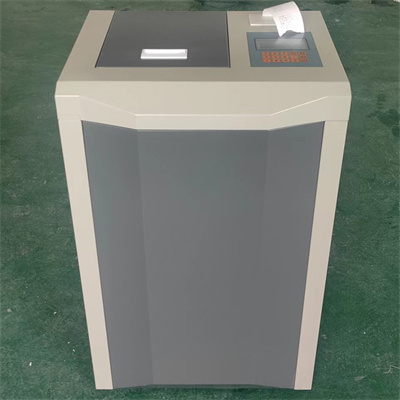
In short, the normal value of the calorimeter is not a single fixed value, but a comprehensive judgment based on repeatability, accuracy and stability. As long as the national standards are strictly followed, the environmental conditions, equipment status and operating specifications are controlled, and the calibration and maintenance are done regularly, the calorimeter can always maintain the normal measurement state and provide reliable data support for experiments and production.
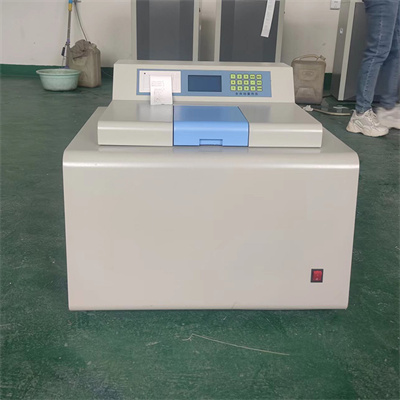 How to read calorimeter data
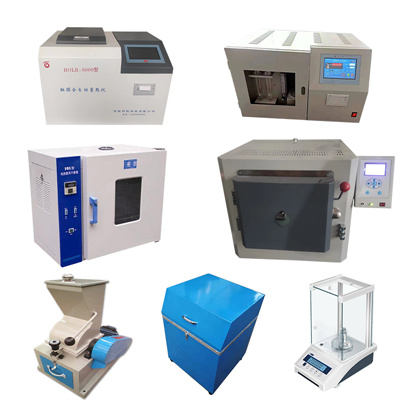 What is the design principle of a calorimeter?
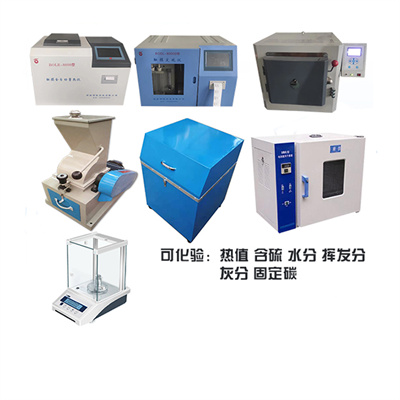 What is the harm of lack of water in the calorimeter?
 What is the input interface of the calorimeter?