Which factory has the best calorimeter?
As the core equipment for accurately detecting the calorific value of substances, calorimeters are widely used in energy, chemical industry, scientific research and other fields. Choosing a reliable manufacturer is the key to ensuring the detection accuracy and equipment stability. Many customers will be torn when purchasing "which factory is the best calorimeter". In fact, it needs to be judged from multiple dimensions such as technical strength, product performance, and service guarantee.
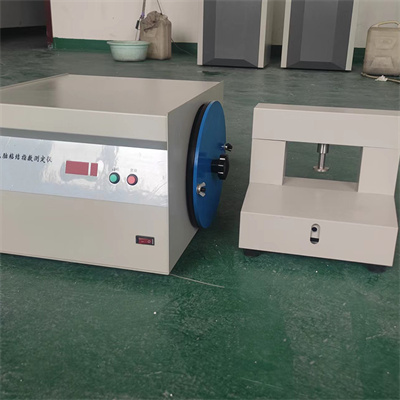
Technical strength is the core threshold, and high-quality manufacturers often have independent research and development capabilities to master core sensing and temperature control technologies. For example, head manufacturers will use high-precision oxygen bombs and intelligent constant temperature systems to ensure that the detection error is controlled within the national standard range, and the repeatability error of some high-end models can even be less than 0.1%, far better than the industry average. In contrast, small manufacturers rely more on assembly technology, and core components rely on outsourcing, making it difficult to guarantee equipment stability and accuracy.
Product performance needs to match actual needs, and the testing needs of different industries vary significantly. Energy companies focus on large-scale continuous testing, and need to choose models with high degree of automation and fast testing speed; scientific research institutions place more emphasis on testing accuracy and data expansion. Reliable manufacturers will provide customized solutions to match equipment functions according to customer scenarios, rather than "one size fits all" marketing standard products, which is also an important symbol of the professionalism of manufacturers.
After-sales guarantee is the cornerstone of long-term cooperation. Calorimeters are precision instruments, and services such as regular calibration, fault repair, and technical training are essential. High-quality manufacturers will establish a national service network to provide services such as 24-hour response, on-site calibration, and lifetime technical support. Some will also give free operation training to help customers get started quickly. Small manufacturers often lag in response after equipment problems due to insufficient service capabilities, which seriously affects the testing progress.
In addition, qualification certification and industry reputation are also important references. Regular manufacturers will have ISO quality certification, measuring instrument production licenses, and have accumulated a large number of cooperation cases in the industry. They can further verify their strength through peer recommendations and on-site inspections of production workshops.
To sum up, to judge "which factory is the best calorimeter", we should not only look at the price, but also focus on technology, performance, service and word-of-mouth. It is recommended that customers combine their own needs and give priority to inspecting manufacturers with independent research and development capabilities, complete services and complete qualifications in order to choose a truly suitable cost-effective calorimeter and lay a solid foundation for the testing work.
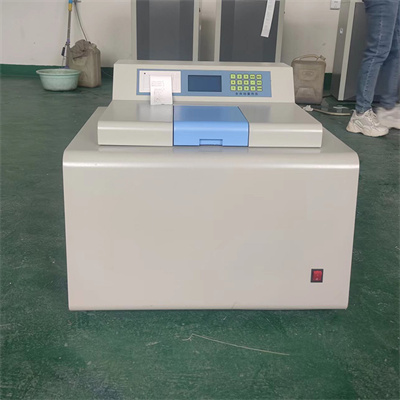 How to read calorimeter data
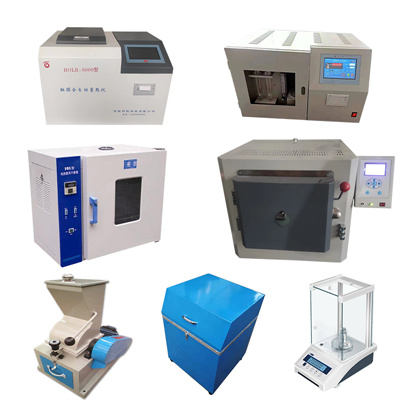 What is the design principle of a calorimeter?
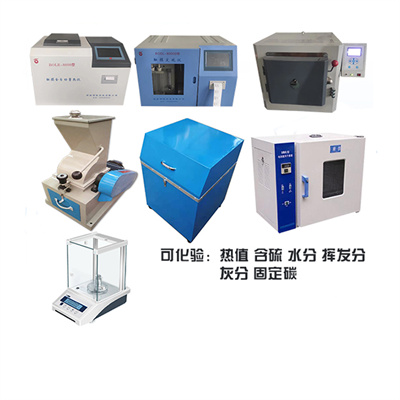 What is the harm of lack of water in the calorimeter?
 What is the input interface of the calorimeter?