How long does it take for the calorimeter to replenish water?
When using a calorimeter to conduct experiments in the laboratory, the replenishment time is a key link to ensure the accurate operation of the instrument. Improper replenishment can easily lead to deviations in the experimental data and affect the reliability of the experimental results.
First, clarify the core premise of calorimeter replenishment
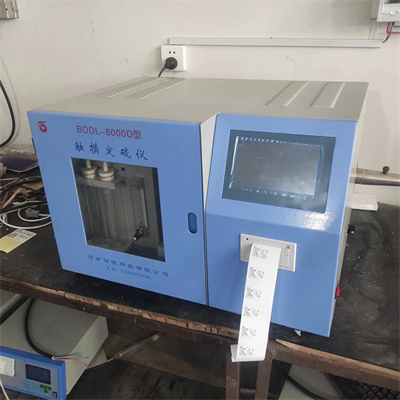
The core of the water replenishment work of the calorimeter is to replenish enough water for the inner cylinder of the instrument with stable temperature to meet the precise needs of heat exchange. Before replenishing water, it is necessary to confirm the status of the instrument: first, to ensure that the power supply of the calorimeter is normal and the connection of various components is stable; second, to check the water level of the inner cylinder. When the water level is lower than the lowest scale line, the water replenishment process needs to be started to avoid blind water replenishment causing resource waste or instrument failure.
Second, the hydration time standard in different scenarios
The replenishment time of the calorimeter is not fixed. It needs to be comprehensively judged in combination with the instrument model, replenishment amount and initial replenishment state. The replenishment time of common scenarios is as follows:
1. Daily small amount of water replenishment: When the inner cylinder is only short of water and needs to replenish 1-2 liters of water, if the matching automatic water replenishment device is used, the water replenishment time is usually controlled at 1-2 minutes. During operation, it is necessary to slowly adjust the water replenishment speed, and stop immediately after the water level reaches the specified scale line to avoid excessive water replenishment.
2. Replenish water after starting for the first time or stopping for a long time: When the instrument is started for the first time, or used again after stopping for more than 24 hours, the inner cylinder needs to be replenished with sufficient water, and the replenishment amount is generally 3-5 liters. At this time, it is recommended to use manual auxiliary replenishment. The replenishment time is controlled at 3-5 minutes. During the process, the water level changes need to be observed synchronously, and at the same time, ensure that the replenishment water temperature is consistent with room temperature to reduce the impact of temperature fluctuations on the experiment.
3. Special type of instrument replenishment: Some high-precision calorimeters require higher water replenishment accuracy. The replenishment time needs to be strictly referred to the instrument manual, usually controlled within 2-3 minutes, and the water flow needs to be kept stable during the replenishment process to avoid bubbles or water flow that is too fast to cause water level deviation.
III. Key skills for controlling hydration time
1. Calibrate the water level scale in advance: Before replenishing water, carefully check the water level scale mark on the inner cylinder of the calorimeter to clarify the boundaries between the lowest water level and the highest water level, and avoid excessive or insufficient replenishment due to scale recognition errors.
2. Control the replenishment water temperature: The replenishment water temperature should be consistent with the laboratory environment temperature, and the temperature difference should be controlled within ± 2 ° C. If the difference between the water temperature and the room temperature is too large, it will cause the water temperature of the inner cylinder to fluctuate, prolong the stability time of the instrument, and indirectly affect the experimental efficiency.
3. Stable after replenishing water: After the replenishment is completed, let the calorimeter stand for 3-5 minutes. After the water temperature of the inner cylinder and the ambient temperature reach a balance, start the instrument for follow-up operation to ensure the stable operation of the instrument and ensure the accuracy of the experimental data.
IV. Precautions for hydration operation
1. During the hydration process, it is strictly forbidden to touch the heating parts, sensors and other core components of the instrument to prevent electric shock or damage to the instrument;
2. If you use tap water to replenish water, you need to filter impurities in the water in advance to avoid impurities blocking the replenishment pipeline or affecting the internal cleaning of the instrument;
3. After each replenishment is completed, a record needs to be made, including information such as replenishment time, replenishment amount, water temperature, etc., to facilitate subsequent instrument maintenance and troubleshooting.
Mastering the norms and skills of the calorimeter replenishment time can not only ensure the stable operation of the instrument, but also improve the accuracy of the experimental data. In daily use, it is necessary to flexibly adjust the replenishment operation in combination with the actual situation of the instrument, and strictly follow the operation specifications, so that the calorimeter can better serve the experimental work.
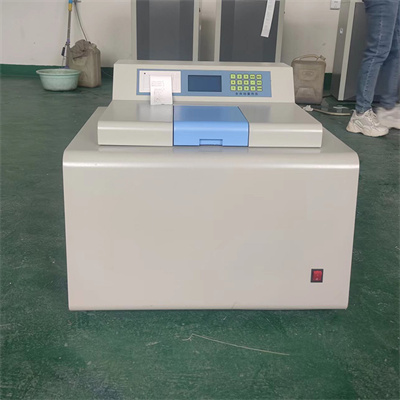 How to read calorimeter data
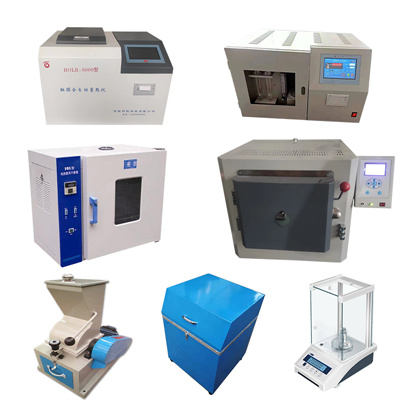 What is the design principle of a calorimeter?
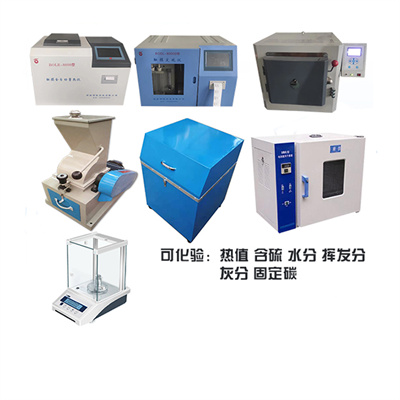 What is the harm of lack of water in the calorimeter?
 What is the input interface of the calorimeter?