The reason for the blackening of the calorimeter crucible
When using a calorimeter to carry out experiments, blackening of the crucible is a common problem, which not only affects the accuracy of the experimental data, but also may shorten the service life of the equipment. Below, we will analyze the reasons for the blackening of the crucible of the calorimeter in detail, and give corresponding solutions.
Insufficient fuel combustion
The calorimeter experiment requires the help of fuel ignition samples. If the fuel quality is poor, or the oxygen supply is insufficient during combustion, the fuel will not burn adequately. Incompletely burned fuel will produce a large amount of carbon black, which will adhere to the surface of the crucible and gradually make the crucible black. For example, the ignition wire used contains too many impurities, and it is easy to generate carbon black during combustion, which will pollute the crucible.
Solution: Select reliable and high-purity fuels, while ensuring sufficient oxygen in the combustion environment, optimizing combustion conditions, and reducing carbon black generation.
Sample residues and contamination
After the experiment, if the sample residue in the crucible is not cleaned in time, the residual material will carbonize at high temperature, forming a black substance attached to the crucible. In addition, if the crucible is not thoroughly cleaned during different sample experiments, cross-contamination between the samples will also cause the crucible to turn black.
Solution: After each experiment, thoroughly clean the crucible immediately, and use a special cleaner to remove residual substances. Before conducting experiments on different samples, be sure to ensure that the crucible is clean in place to avoid cross-contamination.
Device malfunction
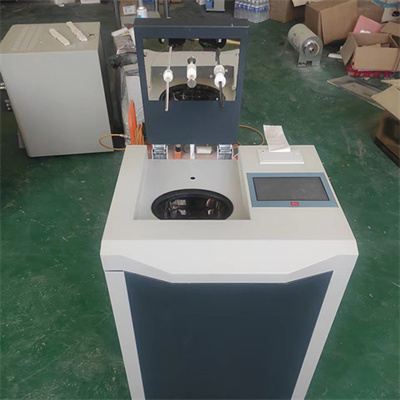
Problems with the operation of the calorimeter equipment itself can also cause the crucible to blacken. For example, the temperature control system of the equipment malfunctions, resulting in the combustion temperature being too high or too low, affecting the combustion effect of the fuel and sample, and then producing carbon black pollution crucible. In addition, the ventilation system of the equipment is not smooth, and the exhaust gas generated by combustion cannot be discharged in time. Impurities in the exhaust gas will also adhere to the surface of the crucible.
Solution: Regularly conduct a comprehensive inspection and maintenance of the calorimeter equipment to ensure the normal operation of the temperature control system and ventilation system. Once any equipment abnormalities are found, contact professionals in time for maintenance.
The operation process is not standardized.
For example, when filling the sample, improper operation caused the sample to spill outside the crucible, and the spilled sample would carbonize and pollute the crucible at high temperature. Also, adjusting the equipment parameters at will during the experiment may also affect the combustion effect and increase the generation of carbon black.
Solution: Strictly follow the operation manual of the calorimeter, strengthen the training of experimental personnel, improve the operation skills and standard awareness, and avoid blackening the crucible due to operation errors.
The blackening of the calorimeter crucible is the result of many factors. Understanding these reasons and taking targeted solutions can effectively reduce the blackening of the crucible, ensure the smooth progress of the experiment and the accuracy of the data.
 How to read calorimeter data
 What is the design principle of a calorimeter?
 What is the harm of lack of water in the calorimeter?
 What is the input interface of the calorimeter?