How to measure the volume of a calorimeter
When using a calorimeter to carry out relevant experiments, accurate weighing of the volume is a key prerequisite to ensure the accuracy of the experimental data. The following is a detailed introduction to the specific operation method of the calorimeter weighing volume, which is simple and easy to understand.
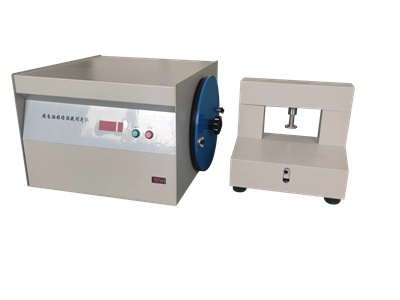
First, preparations: lay a solid foundation
Before you start weighing, be sure to be fully prepared. First, conduct a comprehensive inspection of the calorimeter to ensure that the appearance of the instrument is intact, without damage or stains, and that all functional components are operating normally. At the same time, prepare matching weighing containers, such as clean measuring cylinders, beakers, etc. The containers need to be cleaned and dried in advance to avoid residual impurities affecting the weighing accuracy. In addition, recording tools need to be prepared to facilitate real-time recording of weighing data.
Second, calibration instruments: ensure accuracy
The calibration of the calorimeter is an important part of weighing the volume. According to the requirements of the instrument manual, carry out zero-point calibration and range calibration of the calorimeter. Zero-point calibration can eliminate the error of the instrument itself, and the range calibration criterion can ensure the accuracy of the instrument in different measurement ranges. Only a precisely calibrated calorimeter can provide a reliable guarantee for subsequent volume weighing.
III. Standardized operation: accurate weighing
Slowly pour the liquid to be weighed into the prepared weighing container, paying attention to avoid splashing the liquid during the pouring process to avoid losses. Then place the weighing container smoothly on the weighing table of the calorimeter to ensure that the container fits closely with the weighing table without shaking. After the instrument reading is stable, accurately record the displayed volume data. During operation, keep the operating environment stable to avoid wind, vibration and other factors interfering with the instrument reading.
IV. Data review: rigorous checks
After completing a weighing, it is recommended to perform a data review. After the liquid is poured out, the empty container can be weighed again. Combined with the previous weighing data, the actual liquid volume is calculated and compared with the instrument display data. If the data deviation is large, it is necessary to check whether there are errors in the operation process, such as whether the liquid remains in the container, whether the instrument is disturbed, etc., check the problem in time and re-weigh to ensure that the data is accurate.
Mastering the method of weighing the volume of the calorimeter can not only improve the efficiency of the experiment, but also ensure the scientificity and reliability of the experimental results. Follow the above steps to standardize the operation, and you can easily complete the volume weighing work of the calorimeter.
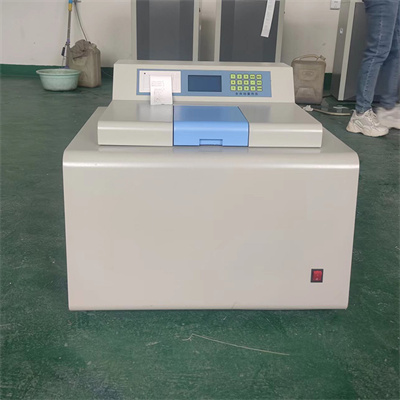 How to read calorimeter data
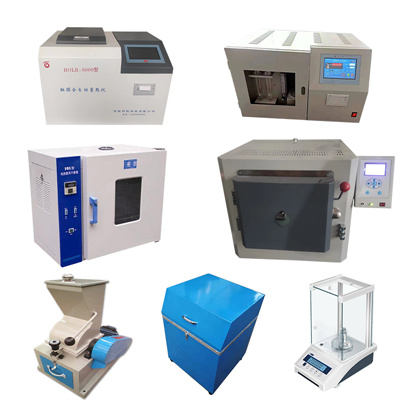 What is the design principle of a calorimeter?
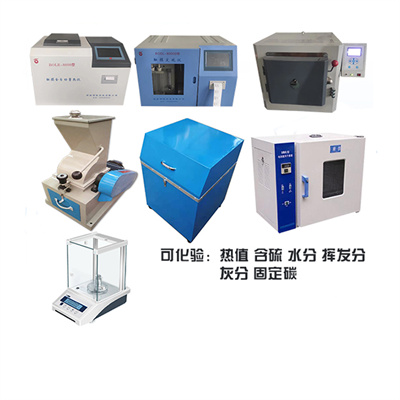 What is the harm of lack of water in the calorimeter?
 What is the input interface of the calorimeter?