What is a cone calorimeter?
Basic Definition of Cone calorimeter
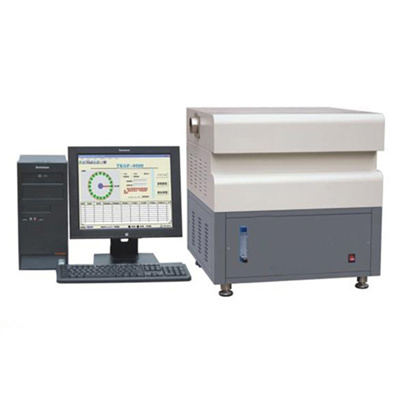
The cone calorimeter is a professional testing equipment used to accurately evaluate the combustion performance of materials, and occupies a core position in the field of fire safety research and material flame retardant performance development. It quantitatively determines the key parameters of the material combustion process by simulating the thermal radiation conditions in real fire scenarios, providing a scientific basis for the optimization of material safety performance.
Core operating principle and detection logic
The core principle of this equipment is based on the principle of oxygen consumption. Under the preset heat radiation intensity, the material is decomposed and burned by heat. After the flue gas generated by combustion is collected and processed, the consumption of oxygen concentration in the flue gas is accurately detected, and the heat release rate of the material during combustion is directly calculated by combining relevant calculation formulas. At the same time, the equipment can also synchronously capture key data such as mass loss rate, effective combustion heat, and ignition time to restore the combustion characteristics of the material in an all-round way.
The actual value of key metrics
The core detection indicators of the cone calorimeter have important practical significance: the heat release rate directly reflects the fire risk of the material when burning, the higher the value, the faster the fire spread; the mass loss rate reflects the combustion speed and carbonization characteristics of the material; the ignition time determines the difficulty of the material in the fire. These indicators are the core basis for screening flame retardant materials and formulating fire protection standards in construction, transportation, electronics and other industries.
A wide range of application scenarios
The application scenarios of the cone calorimeter cover many key areas: in the field of building materials, it is used to detect the combustion performance of walls and thermal insulation materials to ensure building fire safety; in the field of transportation, it is used to evaluate the flame retardant performance of automotive interiors and aircraft seat materials; in the field of electronics and electrical, it detects the fire resistance of circuit boards and shell materials to provide support for product safety compliance. In addition, it is also an important tool for scientific research institutions to carry out fire dynamics research and develop new flame retardant materials.
The irreplaceability of equipment
Compared with traditional combustion testing methods, the cone calorimeter can simulate the thermal radiation environment of a real fire, and the detection results are closer to the actual fire scene. The accuracy and reliability of the data far exceed that of conventional means. It can not only provide accurate guidance for material research and development, but also help enterprises meet strict fire safety standards at home and abroad. It is an irreplaceable core equipment in material combustion performance testing, and builds a strong technical defense line for fire risk prevention and control in various industries.
 How to read calorimeter data
 What is the design principle of a calorimeter?
 What is the harm of lack of water in the calorimeter?
 What is the input interface of the calorimeter?