Which brick factory calorimeter is easy to use?
In the production process of a brick factory, a calorimeter is the core equipment for controlling the calorific value of fuel and ensuring product quality. Choosing the right calorimeter is directly related to production efficiency and cost control. So, which one is easy to use in a brick factory? By mastering the following key dimensions, you can accurately lock in high-quality products.
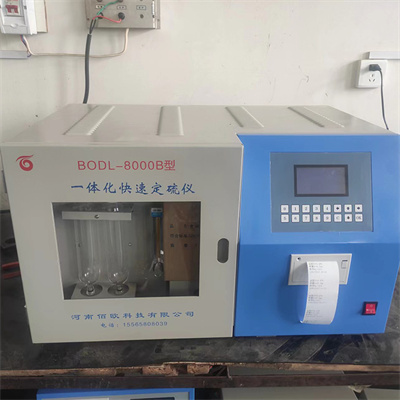
Core performance is the primary consideration. There are many types of fuels in brick factories, and the calorimeter must have ultra-high accuracy. The error needs to be controlled within the industry standard range in order to accurately calculate the calorific value of coal, straw and other fuels, and provide reliable data for the optimization of the ratio. At the same time, stability is indispensable. Brick factories need to operate continuously for a long time. Equipment must be able to adapt to complex working conditions such as high temperature and dust to avoid frequent failures affecting the production rhythm. High-quality calorimeters are usually made of high-temperature resistant materials and dust-proof designs to ensure long-term stable operation.
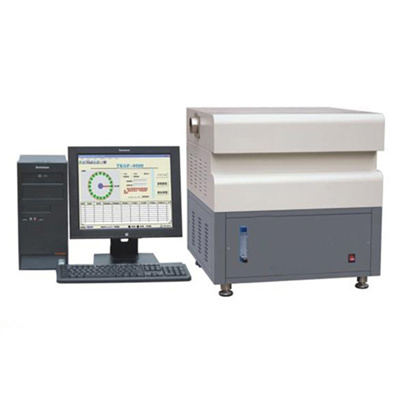
The ease of operation is as critical as the maintenance cost. The front-line operators of the brick factory may not have professional instrument operation skills, so the calorimeter needs to be equipped with a simple and easy-to-understand operation interface, which supports one-click start and automatic calibration, which greatly reduces the operating threshold. In addition, the maintenance difficulty and cost of the equipment also need to be paid attention to. A good calorimeter has a reasonable structure design, strong durability of core components, simple cleaning for daily maintenance, and easy replacement of accessories, which can save a lot of manpower and capital costs for the brick factory.
Brand after-sales guarantee is an important plus. Choosing a brand with a mature after-sales system can escort the use of equipment. Regular manufacturers not only provide equipment installation and commissioning, operation training services, but also respond quickly when equipment fails, provide timely maintenance and technical support, and avoid production losses caused by equipment shutdowns.
Overall, an easy-to-use brick factory calorimeter needs to take into account accurate and stable performance, convenient and low-consumption operation and maintenance, and perfect after-sales guarantee. It is recommended that when purchasing a brick factory, combined with actual needs such as production scale and fuel characteristics, give priority to inspecting brands with good reputation and mature technology in the industry, and verify the performance of the equipment through field tests to ensure that the selected calorimeter is truly suitable for brick factory production, laying a solid foundation for efficient and high-quality production.
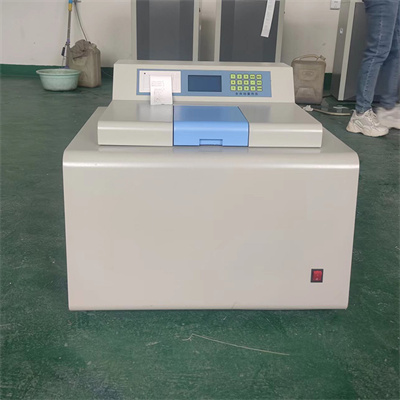 How to read calorimeter data
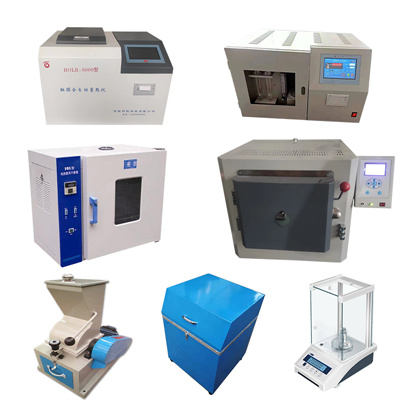 What is the design principle of a calorimeter?
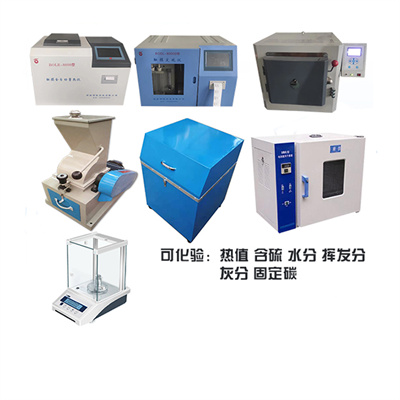 What is the harm of lack of water in the calorimeter?
 What is the input interface of the calorimeter?