Calorimeter, what to choose, calibration
First, the core points of calorimeter selection
As a core device for accurately measuring heat, calorimeters are widely used in energy, chemical and other fields. When selecting, it is necessary to combine the experimental needs, give priority to the accuracy of the instrument, and high-precision calorimeters can meet the micro-heat detection; pay attention to the measurement range to ensure that the heat range of the substance to be measured is covered; at the same time, stability cannot be ignored. Stable instruments can reduce data fluctuations and ensure experimental repeatability.
Second, the key steps of calibrating the calorimeter
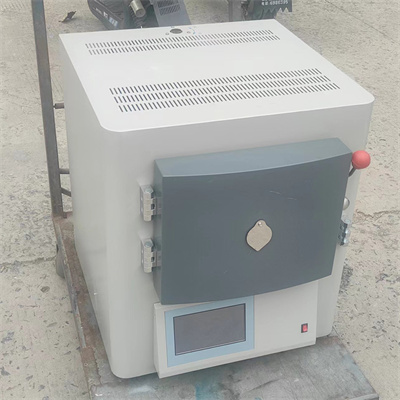
Calibration is the key to ensuring the accuracy of the calorimeter data. First, prepare a calibration reagent, such as benzoic acid, which has a stable calorific value and is a commonly used calibration substance. Then, strictly follow the operation procedure and place the calibration reagent in the calorimeter to record the temperature change before and after combustion. Then, calculate the actual calorific value according to the formula and compare it with the standard value. If the deviation exceeds the allowable range, the instrument parameters need to be adjusted until the data is accurate.
III. Precautions for revision
During the calibration process, the ambient temperature needs to be kept stable to avoid temperature fluctuations affecting the calibration results; instrument cleanliness is essential, and residual substances may interfere with the measurement; at the same time, regular calibration is essential, as the performance of the instrument may change with use. Regular calibration can ensure long-term data reliability and provide a solid guarantee for the experiment.
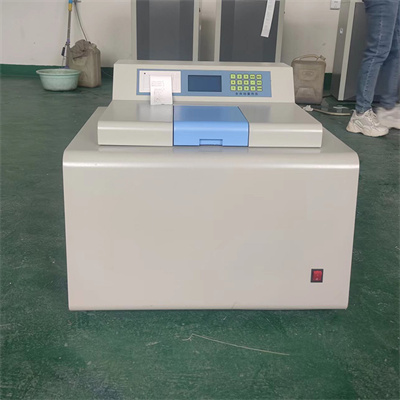 How to read calorimeter data
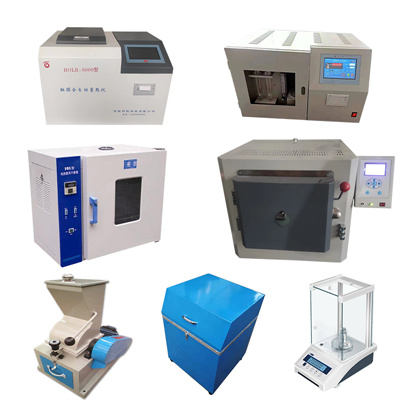 What is the design principle of a calorimeter?
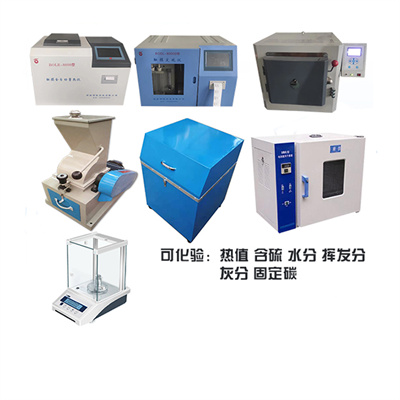 What is the harm of lack of water in the calorimeter?
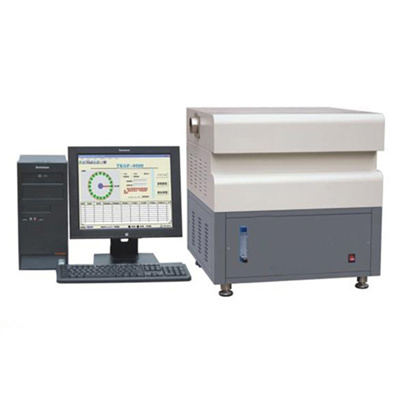 What is the input interface of the calorimeter?