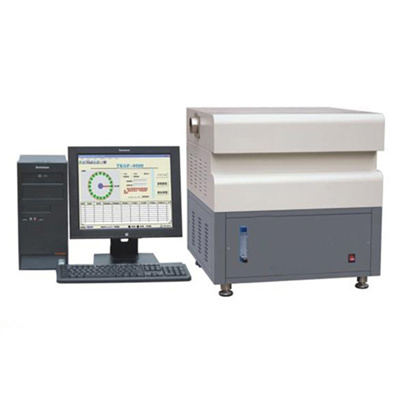
The calorimeter consists of several components
As a key instrument for accurately measuring the calorific value of substances, calorimeters are widely used in energy, chemical and other fields. Their stable operation is inseparable from the cooperation of multiple core components. The following is a clear summary of the main components of the calorimeter for you to help you quickly master the core knowledge.
1. Inner cylinder
The inner cylinder is the core reaction vessel of the calorimeter, usually made of stainless steel, with good corrosion resistance and thermal stability. Its main function is to hold the sample to be tested and the ignition material. During the experiment, the inner cylinder will form a relatively closed heat exchange environment with the outer cylinder, laying the foundation for accurate heat measurement, and is one of the key components to ensure the accuracy of the experiment.
2. Outer cylinder
The outer cylinder surrounds the outside of the inner cylinder and is the core component of the thermal insulation of the calorimeter. The outer cylinder is designed as a double-layer structure with thermal insulation material in the middle, which can effectively isolate the heat exchange between the inner cylinder and the external environment and ensure that the heat loss is minimized during the experiment. The stable thermal insulation performance directly determines the measurement accuracy of the calorimeter and is an important barrier to ensure the reliability of the experimental data.
3. Oxygen bombs
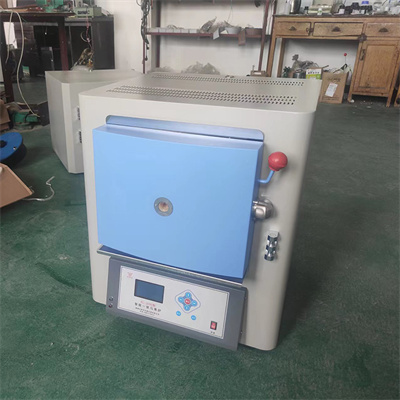
The oxygen bomb is the core component to ensure that the sample is fully burned. It is made of high-strength alloy steel and has excellent high pressure and high temperature resistance. During the experiment, the sample is placed in the oxygen bomb, fed with high-pressure oxygen and ignited to ensure that the sample is completely burned to release all heat. The sealing and pressure-bearing capacity of the oxygen bomb are directly related to the combustion effect and experimental safety, and are the key functional components of the calorimeter.
4. Ignition device
The ignition device is responsible for providing the initial energy for the sample to burn, usually consisting of an ignition wire and an ignition circuit. The ignition wire is in contact with the sample, and after connecting the circuit, a high temperature is generated, which ignites the sample. The device is simple to operate and stable to ignite, can precisely control the ignition timing, ensure the smooth flow of the experiment, and is an important auxiliary component to ensure the smooth development of the experiment.
5. Temperature measurement system
The temperature measurement system is the "sensing core" of the calorimeter, composed of a high-precision temperature sensor and a temperature display device. It can accurately capture the subtle temperature changes of the inner cylinder, convert the temperature signal into an electrical signal and display it in real time, providing key data support for the calorific value calculation. The accuracy of temperature measurement directly determines the accuracy of the experimental results and is an indispensable core system of the calorimeter.
6. Mixing device
The function of the stirring device is to heat the water in the inner cylinder evenly to avoid local temperature differences affecting the measurement results. It makes the heat spread quickly and evenly by stirring at a uniform speed to ensure the consistency of temperature measurement. Stable stirring performance can effectively improve the stability of experimental data and is an important auxiliary component to ensure measurement accuracy.
Understanding these core components of a calorimeter not only helps you quickly grasp the structure of the instrument, but also provides a clear direction for daily operation and maintenance, and helps to accurately carry out various types of calorific value measurement work.
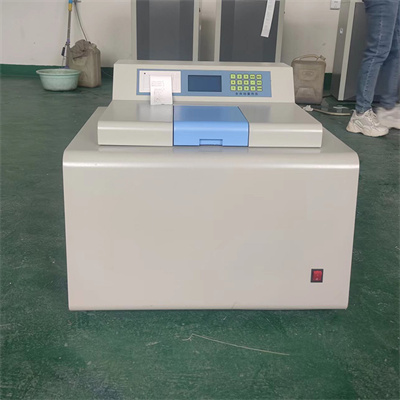 How to read calorimeter data
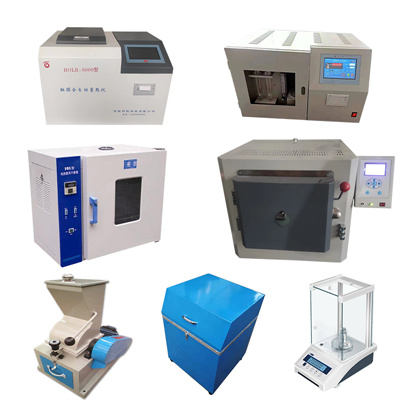 What is the design principle of a calorimeter?
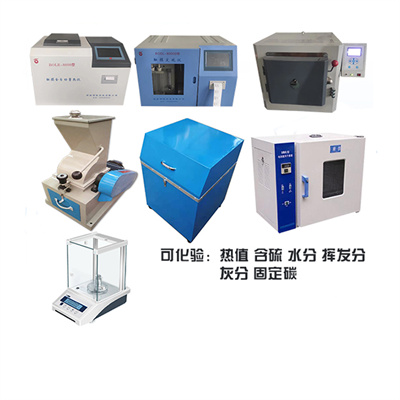 What is the harm of lack of water in the calorimeter?
 What is the input interface of the calorimeter?