What are the calorimeter accessories included?
As a key instrument for accurately measuring the heat change of substances, the stable operation of the calorimeter cannot be separated from the collaborative support of various accessories. Understanding the composition and function of the calorimeter accessories is essential to ensure the accuracy of the experiment and improve the service life of the equipment. The following is a detailed review of the core accessories of the calorimeter.
Oxygen bomb: the core carrier of heat release
The oxygen bomb is one of the core components of the calorimeter, which is mainly responsible for providing a closed high-pressure environment for the combustion of the sample during the experiment. It is made of high-strength alloy steel, which has good pressure resistance and corrosion resistance, and can withstand the huge pressure generated by the instant combustion of the sample. The oxygen bomb is equipped with an ignition electrode inside, which can accurately trigger the combustion of the sample. At the same time, it is equipped with an oxygenation valve to ensure that a sufficient amount of oxygen can be filled quickly and stably before the experiment to ensure that the sample is fully burned, laying the foundation for heat measurement.
Inner and outer cylinders: key components for temperature control
The inner and outer cylinders are the core of the calorimeter to achieve precise temperature regulation. The inner cylinder directly contacts the combustion sample and is responsible for absorbing the heat released by the sample. Its material is mostly stainless steel with excellent thermal conductivity, which can quickly transfer heat and ensure the timeliness and accuracy of temperature measurement. The outer cylinder plays a role of constant temperature isolation, maintaining a stable ambient temperature through a circulating temperature control system to avoid external temperature fluctuations from interfering with the experimental results, providing a stable external environment for the temperature measurement of the inner cylinder and ensuring the reliability of the experimental data.
Ignition Device: A Key Guarantee for Experimental Start-up
The ignition device is an essential accessory for the calorimeter to start the experiment, mainly including the ignition wire, the ignition electrode and the ignition control circuit. The ignition wire is usually a low melting point nickel-chromium alloy, which is connected to the electrode inside the oxygen bomb, and quickly heats up and ignites the sample after power is applied. The ignition control circuit can precisely control the ignition time and current, ensure the stability and reliability of the ignition process, avoid the failure or delay of ignition affecting the experimental progress, and ensure the smooth progress of the experimental process.
Temperature sensors are the core components of accurate data
The temperature sensor is the core component of the calorimeter to obtain temperature data. The common ones are platinum resistance sensors and thermocouple sensors. This type of sensor has extremely high sensitivity and stability, and can accurately capture the subtle changes in the temperature of the inner cylinder in real time, and convert the temperature signal into an electrical signal to transmit to the control system. High-quality temperature sensors can greatly improve the measurement accuracy of the calorimeter, provide accurate data support for heat calculation, and are the key to ensuring the accuracy of experimental results.
Data Processing and Display Systems: The Core Module of Results Presentation
The data processing and display system is the core module of the calorimeter to realize data recording, calculation and presentation, mainly including the control main board, display screen and data processing software. The control main board is responsible for receiving the signal of the temperature sensor, calculating the heat according to the preset algorithm, and controlling the coordinated operation of each component of the instrument. The display screen can display the experimental data and running status in real time, which is convenient for the operator to observe. The data processing software can store, analyze and export the experimental data to meet the data management needs of different experimental scenarios, so that the experimental results are more intuitive and efficient.
In addition to the above core components, the calorimeter is also equipped with auxiliary accessories such as an oxygenator, a tablet press, and a crucible. The oxygenator is used to rapidly oxygenate the oxygen bomb to ensure the experimental efficiency; the tablet press can press the solid sample into a standard shape to ensure that the sample burns fully; the crucible is used to hold the sample and needs to have the characteristics of high temperature resistance and corrosion resistance.
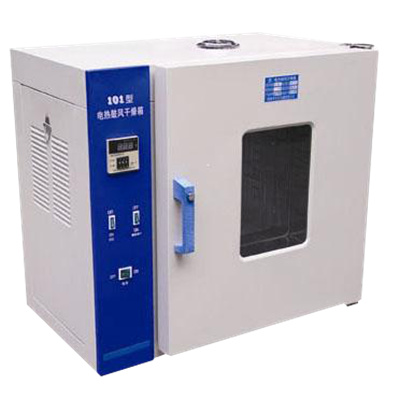
Mastering the functions and functions of the various components of the calorimeter can not only help the operator to standardize the use of the instrument, but also quickly locate the problem when the components malfunction, perform maintenance and replacement in a timely manner, ensure that the calorimeter is always in the best working condition, and provide stable and accurate support for various heat detection experiments.
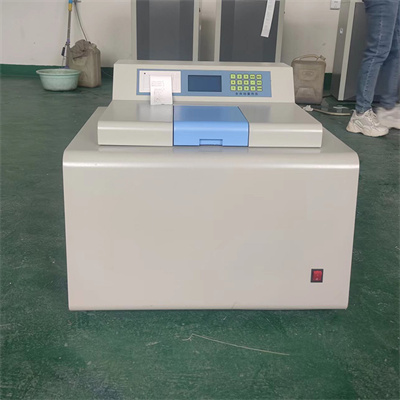 How to read calorimeter data
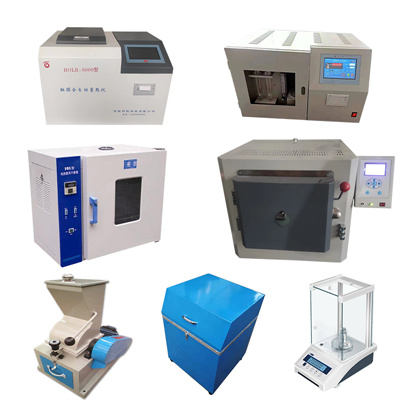 What is the design principle of a calorimeter?
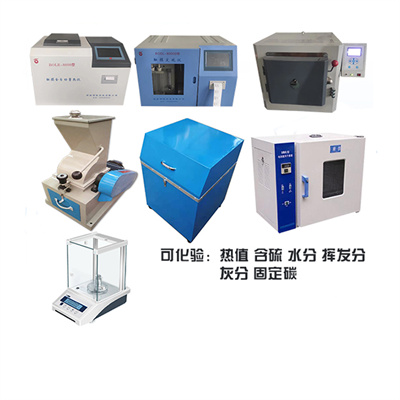 What is the harm of lack of water in the calorimeter?
 What is the input interface of the calorimeter?