How to Change the Water in a Calorimeter
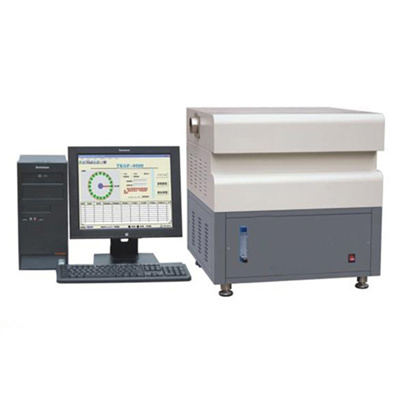
The calorimeter plays a key role in many experiments and testing scenarios, and regularly changing the water is an important part of ensuring the accurate operation of the equipment. Below, I will introduce the specific operation method of changing the water of the calorimeter in detail.
preliminary preparation
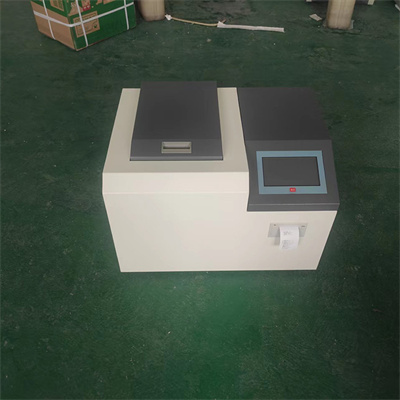
Before changing the water, be sure to turn off the power of the calorimeter to avoid the risk of electric shock. At the same time, prepare clean water, special water absorption tools such as soft cloth or absorbent paper, and suitable containers for holding old water. In addition, read the instruction manual of the calorimeter carefully to clarify the location and structure of the water tank to know.
discharge of old water
Locate the tank drain port of the calorimeter, usually at the bottom of the equipment. Place the prepared container under the drain port and slowly open the drain valve to allow the old water to be completely discharged. During the drainage process, pay attention to observe the water flow to ensure that the old water is drained and avoid residual impurities affecting the subsequent water change effect.
Clean water tank
After the old water is drained, use a clean soft cloth or absorbent paper to wipe the inside of the water tank to remove the attached dirt and sediment. For difficult-to-clean corners, you can gently brush with the help of a small soft brush, but be careful to avoid scratching the inner wall of the water tank and affecting the performance of the equipment.
Add new water
Slowly inject clean water into the water tank, pay attention to control the amount of water, and add it strictly according to the water level line specified in the calorimeter manual. When adding water, avoid bubbles caused by excessive water flow, which will affect the measurement accuracy of the calorimeter. After adding water, carefully check whether the water level meets the requirements.
Check and reset
After the water change is completed, close the drain valve and reconnect the power supply of the calorimeter. Turn on the equipment, check whether the functions are normal, and observe whether the water level display is accurate. If everything is normal, the water change operation is successfully completed.
Mastering the correct method of changing the water of the calorimeter can not only prolong the service life of the equipment, but also ensure the accuracy of the measurement results. Follow the above steps to easily complete the water change of the calorimeter, providing a strong guarantee for the experiment and testing work.
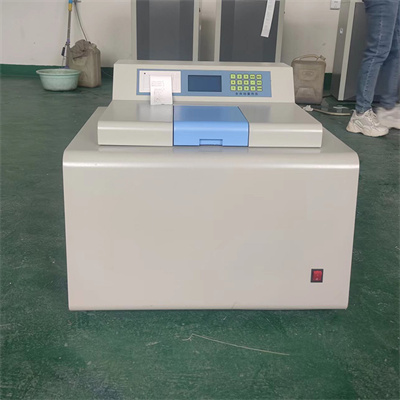 How to read calorimeter data
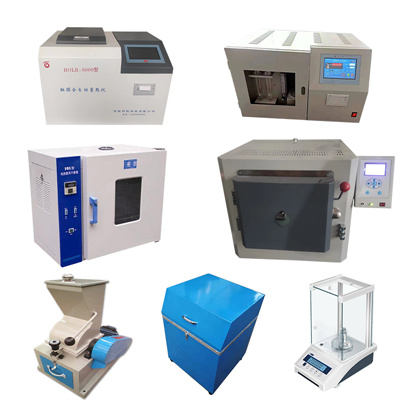 What is the design principle of a calorimeter?
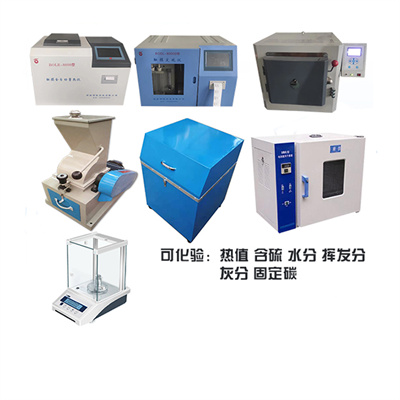 What is the harm of lack of water in the calorimeter?
 What is the input interface of the calorimeter?