How big is the cp of the calorimeter?
Core Definition of CP Value of calorimeter
The CP value of a calorimeter, or heat capacity, is the core parameter for measuring its measurement accuracy and performance. It represents the amount of heat that the calorimeter can absorb or release per unit temperature change, usually in J/° C. The size of the CP value directly determines the ability of the calorimeter to capture the heat change of the sample, and is a key basis for ensuring the accuracy of experimental data.
Reasonable Range of CP Value of Calorimeter
Different models and application scenarios of calorimeters have significant differences in CP values. Conventional laboratory microcalorimeters have CP values in the range of 1000-3000J/℃, which are suitable for micro-sample detection; while industrial-grade large-scale calorimeters have CP values above 5000J/℃ in order to meet the needs of large sample volume and high stability. When selecting, it is necessary to comprehensively consider the sample volume and reaction intensity to avoid measurement errors due to CP value mismatch.
Influence of CP Value on the Performance of Calorimeter
Advantages of high CP value: The high CP value calorimeter has strong thermal stability, which can effectively buffer the temperature fluctuations caused by the sample reaction and reduce external environmental interference. It is especially suitable for accurate measurement of severe exothermic/endothermic reactions.
Low CP value limitations: Low CP value instruments are highly sensitive, but they are extremely sensitive to changes in ambient temperature. Small temperature fluctuations may cause data biases, making them more suitable for micro-sample detection with gentle temperature changes.
Scientific methods for matching CP values
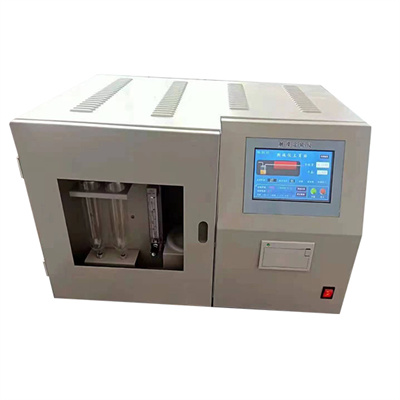
It is crucial to clarify the detection requirements. If you need to detect violent reaction samples such as high-energy fuels, a high CP value calorimeter is preferred; if you perform trace and mild reaction detection such as biological enzyme activity, a low CP value instrument can better exert its sensitivity advantages. At the same time, it is necessary to combine the calibration cycle and stability of the instrument to regularly calibrate the CP value to ensure long-term measurement accuracy.
Mastering the core logic of the CP value of a calorimeter can help users accurately select models, standardize operations, and build a solid data foundation for heat detection experiments.
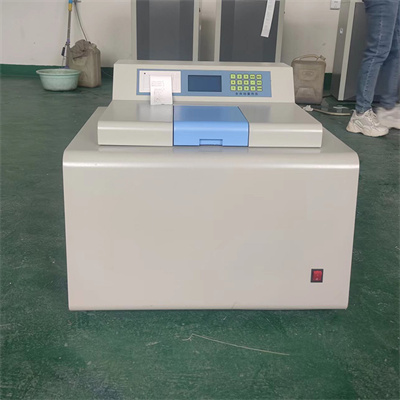 How to read calorimeter data
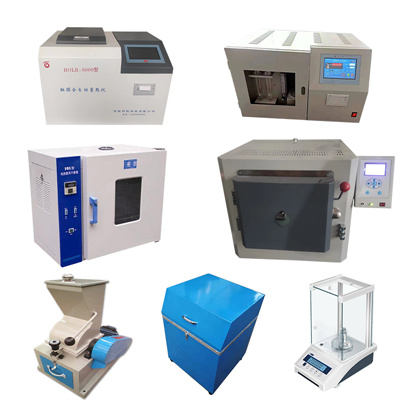 What is the design principle of a calorimeter?
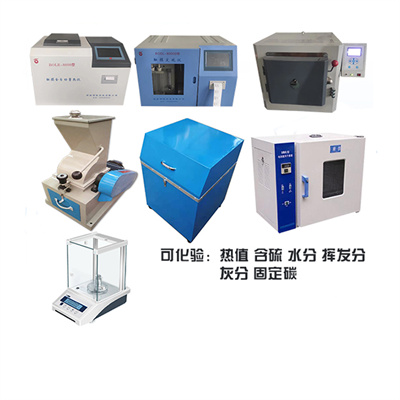 What is the harm of lack of water in the calorimeter?
 What is the input interface of the calorimeter?