How to measure temperature with a calorimeter
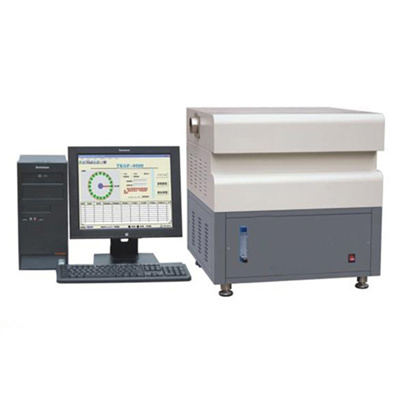
In all kinds of thermal experiments and testing work, the calorimeter is the core equipment for accurately measuring temperature, and it is crucial to master its temperature weighing method. The following is a detailed introduction to the specific operation process of the calorimeter weighing temperature.
preparatory work
Before using the calorimeter, it is necessary to be fully prepared. Check the appearance of the instrument to ensure that there is no damage and the wiring connection is stable. Then calibrate the calorimeter, which is a key step to ensure the accuracy of the measurement. The calibration operation can be completed with the help of the standard temperature source. At the same time, prepare the sample to be tested and place it evenly in a clean and suitable sample container to avoid sample impurities or uneven distribution affecting the measurement results.
Proper sample placement and instrument activation
Put the container containing the sample into the measuring chamber of the calorimeter smoothly, and operate gently to prevent the container from colliding with the instrument parts. After closing the chamber, turn on the power supply of the calorimeter, wait for the instrument to complete the self-test, and wait for the display screen to enter the state to be measured.
Precise setting of measurement parameters
According to the characteristics of the sample to be tested, set appropriate measurement parameters on the instrument operation panel, such as heating rate, measurement time, etc. Different samples have different requirements for parameters, and improper setting will lead to measurement data deviations. Be sure to adjust accurately according to the actual situation of the sample.
Real-time monitoring and data logging
After starting the measurement program, the calorimeter will monitor the temperature change in real time and visualize it through the display screen. Operators need to pay close attention to the temperature curve. After the measurement program is over and the instrument has stabilized the output temperature data, it will be recorded accurately in time to provide a reliable basis for subsequent analysis.
Measurement completion and instrument finishing
After the measurement is completed, first turn off the power of the calorimeter, wait for the instrument to cool to room temperature, then take out the sample container, properly clean the measurement chamber, keep the instrument clean, and prepare for the next use.
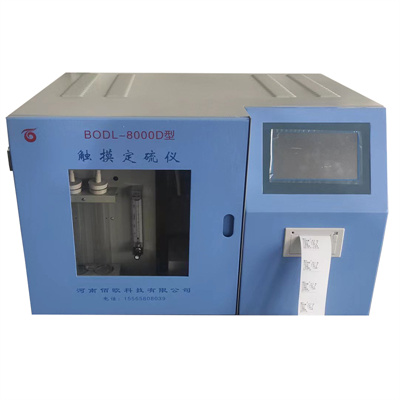
By mastering the above temperature weighing steps of the calorimeter and strictly following the operating specifications, the temperature measurement can be completed efficiently and accurately, providing strong support for experimentation and testing.
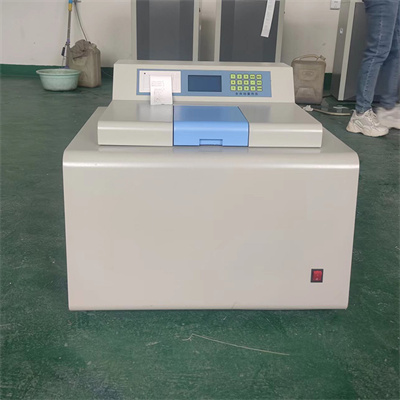 How to read calorimeter data
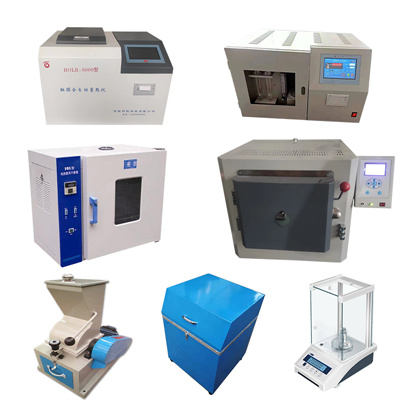 What is the design principle of a calorimeter?
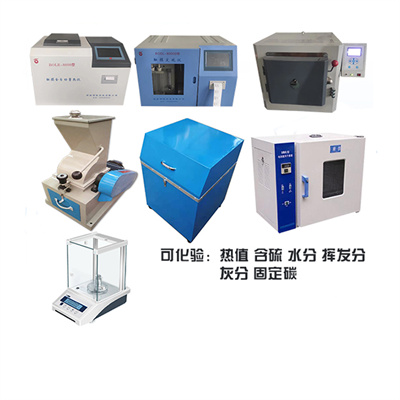 What is the harm of lack of water in the calorimeter?
 What is the input interface of the calorimeter?