Is a thermogravimetric analyzer a calorimeter?
Core conclusion: The thermogravimetric analyzer is not a calorimeter, and the two are essentially different
Although thermogravimetric analyzer and calorimeter are both thermal analysis instruments, their core functions and measurement principles are fundamentally different and must not be confused. They serve the core detection requirements of material thermal stability and heat change respectively.
First, the core principle and function of the thermogravimetric analyzer
The core of a thermogravimetric analyzer (TGA) is to measure the change of sample quality with temperature/time. It monitors the mass increase or decrease of the sample during the heating, constant temperature or cooling process in real time through a precision balance, which can accurately capture the decomposition, oxidation, volatilization, adsorption and other processes of the sample. For example, by detecting the thermal decomposition temperature of plastics, the thermogravimetric analyzer can intuitively show the inflection point of mass loss. The core output is the thermogravimetric curve (TG curve), which focuses on mass change, not heat change.
Second, the core principle and function of the calorimeter
The core of a calorimeter is to measure the heat change of a sample during a physical or chemical reaction. It accurately calculates the thermal effect data such as reaction heat, combustion heat, and dissolution heat by recording the heat exchange between the sample and the environment. For example, to detect the combustion calorific value of the fuel, the calorimeter can directly determine the heat released per unit mass of the fuel. The core output is the heat value, focusing on the absorption or release of heat, which is not directly related to the mass change.
III. Summary of the key differences between the two
1. Different measurement objects: thermogravimetric analyzer measures quality change, calorimeter measures heat change;
2. Different application scenarios: thermogravimetric analyzers are mostly used to evaluate material thermal stability and component analysis, while calorimeters are mostly used for reaction heat determination and fuel calorific value detection.
3. The core data is different: the thermogravimetric analyzer outputs the thermogravimetric curve, and the calorimeter outputs the heat value.
summarize
Thermogravimetric analyzer and calorimeter are two types of instruments with complementary functions, not the same equipment. When choosing, it is necessary to clearly distinguish according to the detection requirements to avoid selection errors due to confusion and affect the detection accuracy.
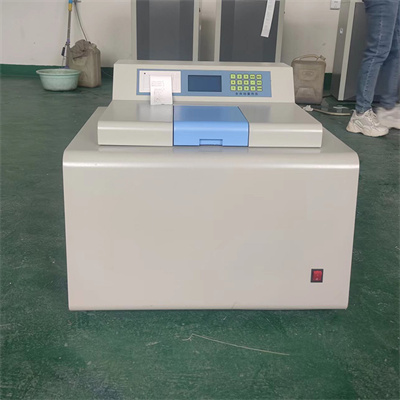 How to read calorimeter data
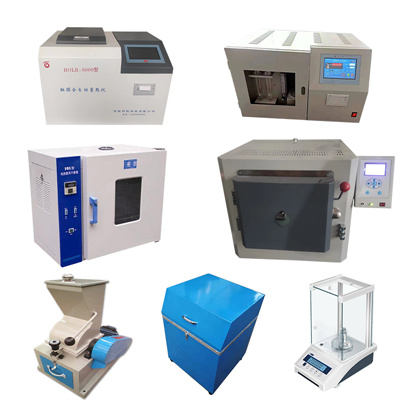 What is the design principle of a calorimeter?
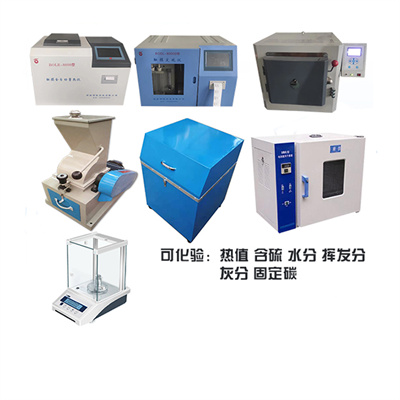 What is the harm of lack of water in the calorimeter?
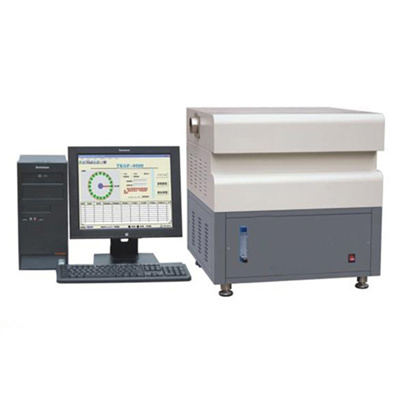 What is the input interface of the calorimeter?