How to repair a calorimeter
Preparation before maintenance of calorimeter
Before repairing the calorimeter, be sure to be fully prepared. Cut off the power supply of the instrument to avoid the risk of electric shock, and prepare common maintenance tools such as screwdrivers, multimeters, cleaning cloths, etc. In addition, carefully read the instruction manual of the calorimeter to understand the basic structure, working principle and common fault types of the equipment, so as to have a good idea and lay the foundation for subsequent maintenance.
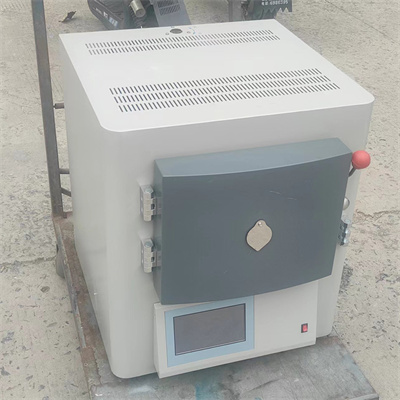
Common troubleshooting and maintenance methods
Abnormal temperature failure: If the temperature display of the calorimeter is inaccurate or the temperature rise is slow, it may be a temperature sensor failure. Use a multimeter to detect the resistance value of the sensor and compare it with the normal range. If the deviation is large, the sensor of the same type needs to be replaced. At the same time, check whether the heating device is working normally and whether the line connection is loose. If it is loose, reinforce it in time.
Stirring system failure: uneven stirring or stirring motor does not turn, it may be that the stirring motor is damaged and the transmission parts are stuck. First check whether the motor is powered on. If the power is normal but the motor does not turn, it may be that the motor is burned and needs to be replaced. If the transmission parts are stuck, clean up the foreign objects and apply an appropriate amount of lubricating oil to ensure the smooth operation of the mixing system.
Abnormal data failure: The measurement data deviation is large, which may be that the sample volume is inaccurate and the instrument is not calibrated. Re-weigh the sample accurately to ensure that it meets the requirements of the instrument. At the same time, according to the instrument calibration process, use the standard material to calibrate the instrument to ensure the accuracy of the data.
The daily maintenance points of the calorimeter
Routine maintenance can effectively reduce the occurrence of calorimeter failures. After each use, clean up the dust and residual samples inside and outside the instrument in time to keep the instrument clean. Regularly check the wiring connection of the instrument to prevent loosening and aging. Regularly perform performance testing and maintenance on key components of the instrument, such as temperature sensors, stirring motors, etc., to ensure that the instrument is always in good operating condition.
Calibration and testing after maintenance
After the maintenance is completed, the calorimeter must be calibrated and tested. Calibrate the instrument parameters using standard materials according to the instrument calibration steps to ensure the accuracy of the instrument parameters. Then perform multiple sample tests to compare the test results with the standard values. If the deviation is within the allowable range, the maintenance is successful; if the deviation is large, the maintenance part needs to be re-checked until the instrument returns to normal.
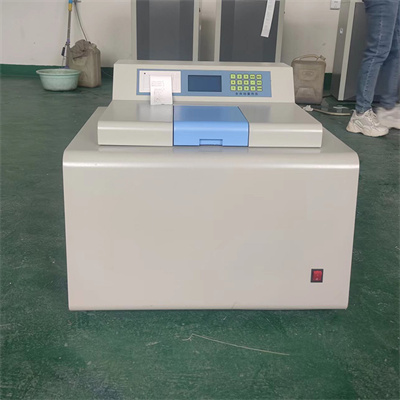 How to read calorimeter data
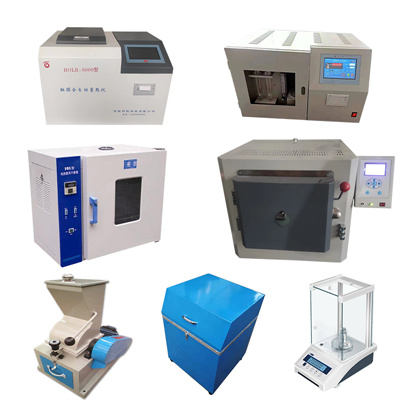 What is the design principle of a calorimeter?
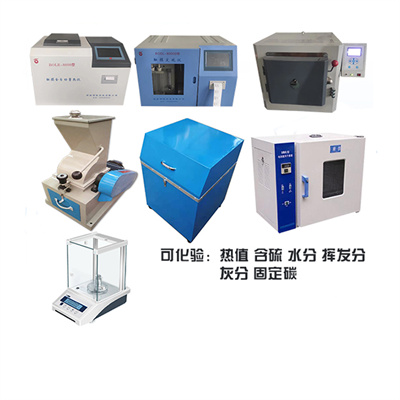 What is the harm of lack of water in the calorimeter?
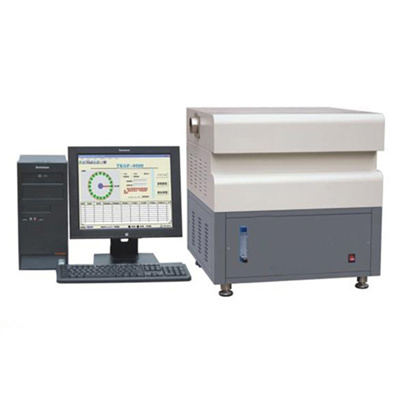 What is the input interface of the calorimeter?