How much does the calorimeter weigh?
The core influencing factors of calorimeter weight
The weight of a calorimeter is not a fixed value, but is mainly determined by its core structure, functional configuration and application scenarios. The material and specifications of core components such as heating systems, temperature sensors, and sample cells directly determine the basic weight of the equipment; if it is equipped with expanded functions such as automatic sampling and data networking, the weight will also increase accordingly.
The weight range of common calorimeters
Basic calorimeters: These devices focus on core heat measurement and are relatively compact in structure, weighing typically 15-30 kilograms. They are suitable for small laboratories or basic testing needs and are easy to move and install.
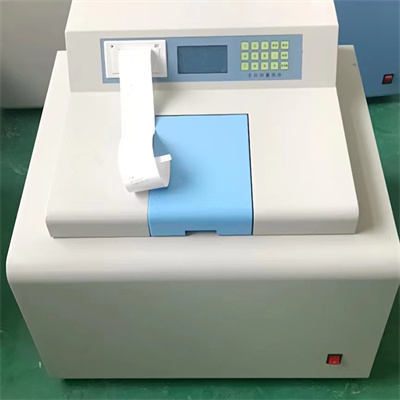
- Semi-automatic calorimeter: Added some automated operation modules, such as an automatic mixing device, weighing more than 30-50 kilograms, taking into account the convenience of operation and basic functions, suitable for routine testing laboratories.
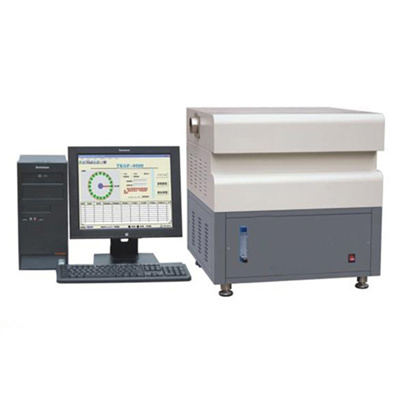
Automatic calorimeter: integrated with automatic sampling, intelligent temperature control, automatic data analysis and other functions, the internal structure is complex, the weight is generally 50-80 kg, suitable for large-scale laboratory batch testing, and the stability is stronger.
The actual reference value of weight during selection
When selecting a calorimeter, the weight needs to be considered in combination with the actual use scenario. If the laboratory space is limited and the equipment needs to be moved frequently, the basic or semi-automatic type with lighter weight is preferred; if it is a fixed batch detection scenario, the stability of the equipment is high, and the automatic calorimeter with larger weight and better configuration can be emphasized. The configuration difference behind the weight is directly related to the detection efficiency and accuracy.
The relationship between weight and performance
In general, a heavier calorimeter has higher material strength and assembly accuracy of its internal components, better heat dissipation and anti-interference capabilities, and can ensure the stability of long-term detection, but it needs to be matched with a suitable load-bearing test bench. Although lightweight equipment is portable, its performance stability may be slightly inferior in complex detection tasks, and it is necessary to balance weight and performance according to actual needs.
 How to read calorimeter data
 What is the design principle of a calorimeter?
 What is the harm of lack of water in the calorimeter?
 What is the input interface of the calorimeter?