How to discharge water from a calorimeter
Preparation before the calorimeter releases water
Before performing water discharge operation on the calorimeter, be sure to cut off the power supply of the instrument to ensure safe operation and avoid the risk of electric shock. At the same time, prepare a clean absorbent rag and a special container for receiving the released water to prevent water from spilling on other parts of the instrument and causing damage. Carefully check the position of the water discharge port of the calorimeter. There are differences in the design of the water discharge port of different models of calorimeters. It is usually located at the bottom or side of the instrument. After confirming the position, prepare for subsequent operation.
Precise water discharge operation steps
The first step is to open the protective cover of the calorimeter. This step should be done gently to avoid damage to the instrument parts due to excessive force. After the protective cover is opened, find the water discharge valve, usually knob type or press type, slowly rotate or press the valve to start the water discharge. During the water discharge process, the water flow speed should be moderate, not too fast, to prevent water splashing out. If the water flows too quickly, the valve opening and closing degree can be adjusted appropriately.
The second step is to closely observe the change of water volume. When the released water volume is close to the water discharge volume specified by the instrument, slow down the water discharge speed until the water discharge is stopped. It should be noted that the water discharge volume should strictly follow the requirements of the instrument manual. Too much or too little will affect the subsequent measurement accuracy of the calorimeter.
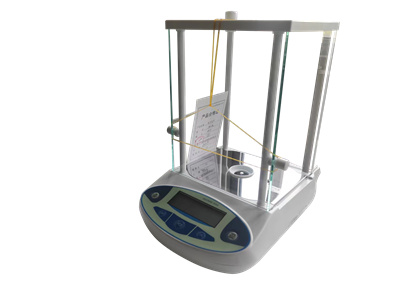
The third step is to close the drain valve to ensure that the valve is completely closed to prevent water leakage. Then, use the prepared absorbent rag to carefully wipe the residual moisture around the drain port of the instrument to keep the surface of the instrument dry and avoid moisture erosion of the instrument parts.
Inspection and maintenance after water release
After the water discharge is completed, conduct a comprehensive inspection of the calorimeter to check whether the water discharge valve is tightly closed and whether there are signs of water leakage in all parts of the instrument. If the valve is found to be not tightly closed, check the cause in time, tighten or replace the sealing parts. In addition, regularly clean the water discharge system of the calorimeter to remove scale and impurities in the pipeline, ensure the smooth flow of the water discharge system, prolong the service life of the instrument, and ensure that the calorimeter is always in good working condition.
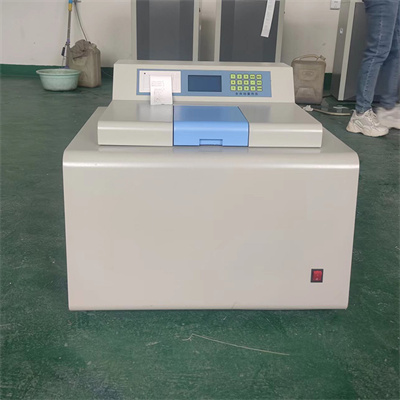 How to read calorimeter data
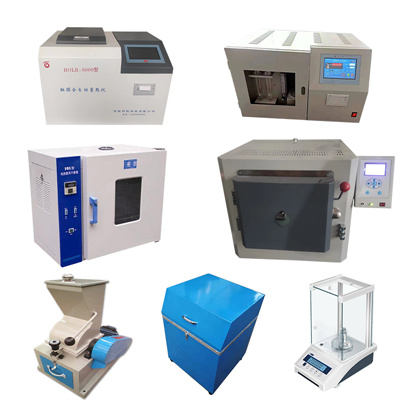 What is the design principle of a calorimeter?
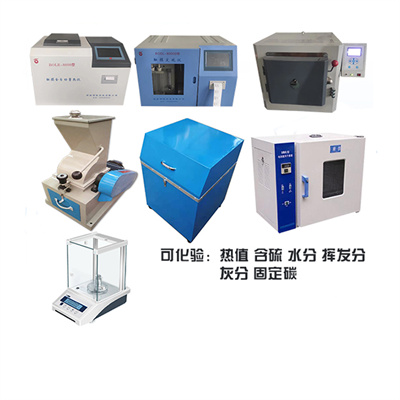 What is the harm of lack of water in the calorimeter?
 What is the input interface of the calorimeter?