How does a calorimeter read?
When experimenting with a calorimeter, accurate readings are key to obtaining reliable data. Here is a detailed introduction to the reading method of the calorimeter.
Familiar with the basic structure of calorimeter
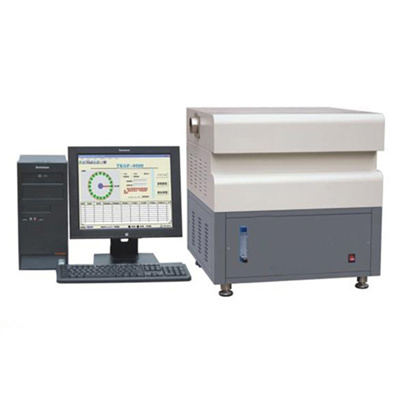
The calorimeter is mainly composed of an outer cylinder, an inner cylinder, an agitator, a thermometer and other components. The outer cylinder acts as a heat preservation function, the inner cylinder is the reaction vessel, the agitator ensures that the temperature of the reaction system is uniform, and the thermometer is used to measure the temperature. Understanding these structures helps to understand the principle of reading.
Clear reading timing
The timing of the calorimeter reading is crucial. During the experiment, the best reading time is when the reaction system reaches thermal equilibrium and the temperature change becomes stable. Take the common combustion heat determination as an example. After ignition, the temperature will rise rapidly and then gradually stabilize. At this time, the temperature change should be closely monitored, and the reading should be made after the temperature has stabilized for a period of time.
Master the reading steps
1. Observe the number of the thermometer: After the temperature stabilizes, carefully check the scale of the thermometer. When reading, the line of sight should be level with the top of the thermometer liquid column to avoid reading errors due to viewing angle deviation.
2. Record the initial and final temperatures: Before the experiment starts, record the initial temperature; after the experiment, record the final temperature. The difference between the two is used to calculate the reaction heat.
3. Read other relevant data: Some calorimeters also display data such as heat and time, and accurately record this information according to experimental requirements.
Pay attention to the main points of the reading
1. Keep the environment stable: When reading, ensure that the temperature and humidity of the experimental environment are relatively stable to avoid external factors interfering with the work of the calorimeter and affecting the accuracy of the reading.
2. Averaging multiple measurements: To improve data reliability, multiple measurements can be performed, and the average value is taken as the final result.
3. Record data in a timely manner: Immediately after reading, accurately record the data in the experimental record book to avoid forgetting or recording errors.
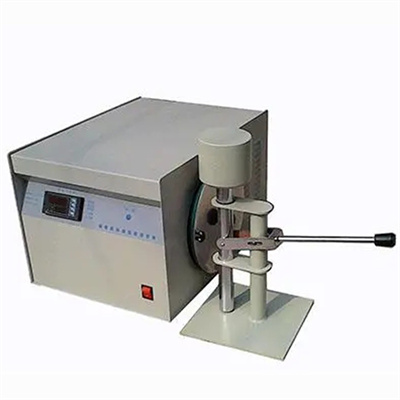
Through the above steps, you can accurately grasp the reading method of the calorimeter. In practice, practice more and summarize more to continuously improve the accuracy and proficiency of the readings, laying the foundation for the success of the experiment.
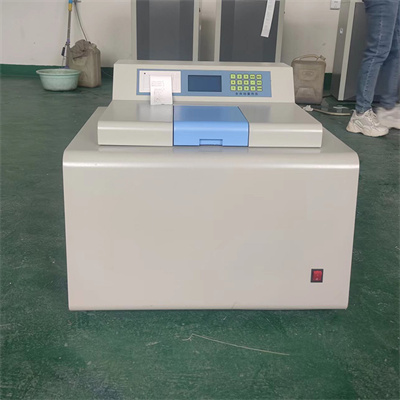 How to read calorimeter data
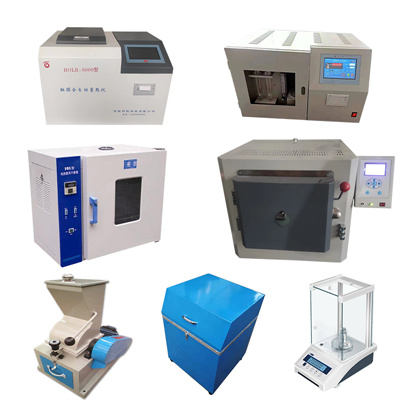 What is the design principle of a calorimeter?
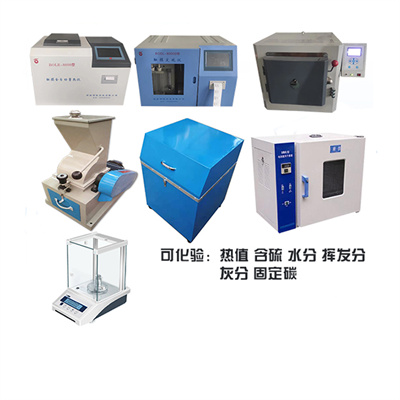 What is the harm of lack of water in the calorimeter?
 What is the input interface of the calorimeter?