How much water is added to the calorimeter?
When conducting heat measurement experiments, the control of the amount of water added to the calorimeter is the core link to ensure the accuracy of the experimental results. Too much or too little water will directly interfere with the accuracy of the experimental data. Therefore, it is crucial to master the scientific water addition standards and operation points.
First, clarify the core standards for adding water to the calorimeter
The water addition of the calorimeter is not an arbitrary operation, and the equipment manual and experimental specifications must be strictly followed. Under normal circumstances, the water addition needs to meet two core requirements: first, to ensure that the water volume of the inner cylinder can fully cover the oxygen bomb, and the water surface and the top of the oxygen bomb maintain a certain safe distance to avoid water overflow during the experiment; second, the water volume needs to be precisely controlled, and the error range needs to be controlled within the specified range. Generally, the water addition error is not more than ± 0.5g, so as to ensure the uniformity of heat transfer and measurement accuracy.
Second, master the key operation steps of adding water to the calorimeter
1. Calibrate the water filling tool in advance: Prefer the use of a measuring cylinder or a special water filling device with high accuracy. Before use, the tool needs to be calibrated to ensure the accuracy of the water intake and eliminate the water deviation caused by tool errors.
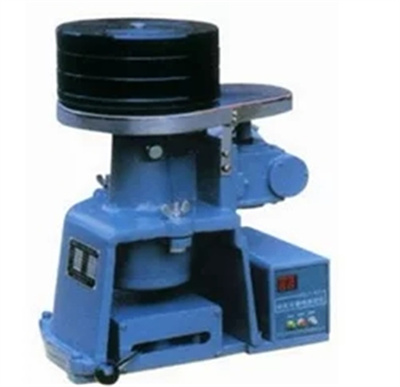
2. Strictly control the water addition process: first slowly inject distilled water into the inner cylinder, and closely observe the water level scale during the water injection process. When the water surface approaches the specified scale, slow down the water injection speed and accurately adjust it to the standard water level by dropwise addition, while avoiding water splashing on other parts of the equipment.
3. Do a good job of checking after adding water: After adding water, check the water volume value again to confirm that it meets the experimental requirements, and check the water level difference between the inner cylinder and the outer cylinder at the same time to ensure that the equipment is in normal experimental condition and establish a solid foundation for subsequent experiments.
Third, avoid the common misunderstanding of adding water to the calorimeter
Some operators have the wrong perception that "more water is better". In fact, excessive water addition will cause heat dispersion, which will not only prolong the experimental time, but also reduce the measurement accuracy; and insufficient water will make the oxygen bomb unable to be fully immersed, resulting in insufficient heat transfer, which also affects the experimental results. In addition, it is strictly forbidden to use tap water instead of distilled water. Impurities in tap water will affect the thermal conductivity of water, thereby interfering with the accuracy of experimental data.
Overall, the control of the amount of water added to the calorimeter is a key prerequisite for the success of the experiment. Strictly following the water addition standards and standardized operation procedures can maximize the accuracy and reliability of the experimental results and provide strong support for various types of heat measurement work.
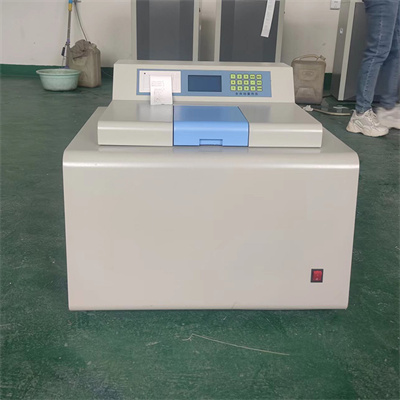 How to read calorimeter data
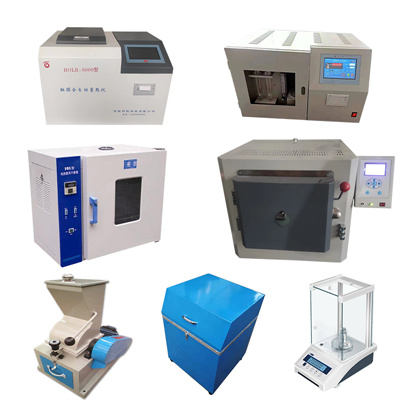 What is the design principle of a calorimeter?
 What is the harm of lack of water in the calorimeter?
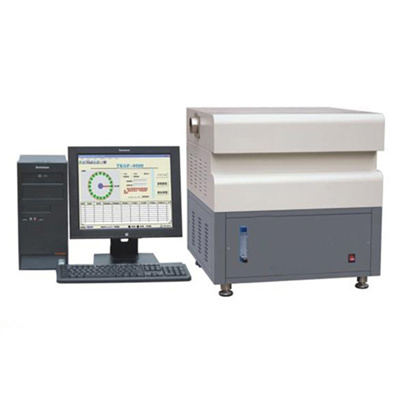 What is the input interface of the calorimeter?