What's better with a calorimeter?
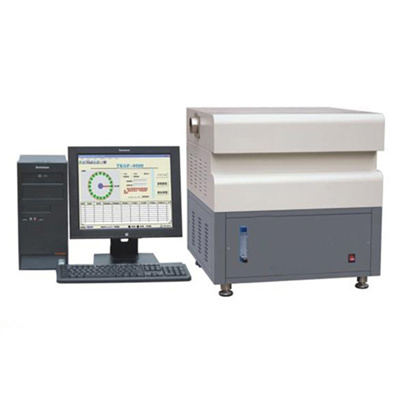
In various calorific value detection scenarios, calorimeters play an irreplaceable role. To choose an easy-to-use calorimeter, the core points must be accurately grasped.
Core performance is key
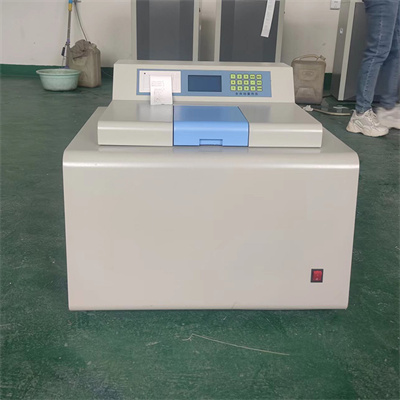
A high-quality calorimeter first depends on the core performance. Accuracy is the core indicator, and high-precision sensors with mature temperature control systems can ensure that the detection error is controlled in a very small range to meet the calorific value detection needs of different samples such as coal and chemical raw materials. Stability is equally important. Under long-term continuous working conditions, the detection results fluctuate little, so as to ensure the reliability of the experimental data and avoid equipment fluctuations affecting the work progress.
The ease of operation cannot be ignored
For front-line operators, ease of operation directly affects work efficiency. A good calorimeter has a simple and intuitive operation interface, a reasonable button layout, and beginners can get started quickly. At the same time, it has a high degree of automation. From sample loading to result output, key steps can be completed automatically, reducing manual operation errors and greatly improving detection efficiency, especially suitable for batch detection scenarios.
Durability and maintenance costs
The durability of a calorimeter is directly related to the long-term use cost. High-quality equipment is made of high-strength, corrosion-resistant materials, and the core components have been strictly tested to adapt to complex working environments and have a long service life. In addition, calorimeters with simple maintenance are more popular. The modular design makes daily cleaning and component replacement more convenient, eliminating the need for professionals to visit frequently, effectively reducing maintenance costs and ensuring long-term stable operation of the equipment.
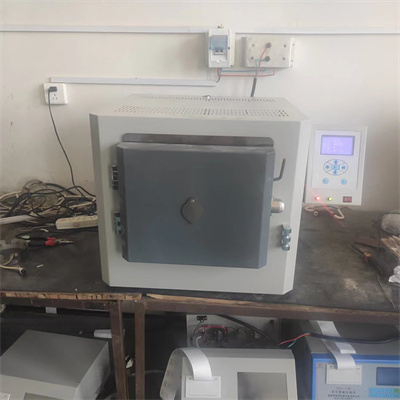
Suitability and after-sales guarantee
There are differences in the demand for calorimeters in different industries. High-quality calorimeters have good adaptability and can expand their functions according to testing needs to adapt to different specifications of sample testing. At the same time, perfect after-sales guarantee is an important plus. Manufacturers can provide timely technical support and equipment calibration services to solve the worries during use and keep the equipment in the best working condition.
The core of choosing the right calorimeter lies in grasping the four key points of performance, operation, durability and after-sales service. By closely following these keys, a high-quality calorimeter that meets the needs can be accurately selected to lay a solid foundation for calorific value detection.
 How to read calorimeter data
 What is the design principle of a calorimeter?
 What is the harm of lack of water in the calorimeter?
 What is the input interface of the calorimeter?