Which calorimeter is the best?
In scientific research, chemical industry, energy and many other fields, calorimeters are the key equipment for accurately measuring heat, and "which calorimeter is the best" has become the core question of many buyers. Choosing the right high-quality calorimeter can not only ensure the accuracy of experimental data, but also improve work efficiency. The following is a clear review from the core dimension for you.
First, look at the core performance, accuracy is the primary criterion
The core of a high-quality calorimeter lies in measurement accuracy, which is the key to measuring the quality of a brand. Leading brands usually use high-precision sensors and advanced temperature control systems, which can control the measurement error within a very small range, such as some high-end models with an error of less than 0.1%. At the same time, equipment with automatic calibration and temperature compensation functions can adapt to different environments, with stronger stability and avoid affecting data due to environmental fluctuations. It is the first choice for scientific research and high-precision detection scenarios.
Second, looking at brand strength, R & D and after-sales are guarantees
The brand's R & D heritage and after-sales system directly determine the long-term use value of the calorimeter. Well-known manufacturers have professional R & D teams that can continuously iterate technology to keep equipment up with industry needs; more importantly, a perfect after-sales network can provide timely maintenance and calibration services to avoid equipment failures affecting work progress. It is recommended to give priority to brands that have been deeply cultivated in the industry for many years and have a good reputation. Such manufacturers have mature technology and more efficient after-sales response.
III. Looking at cost performance, adapting to demand is the core principle
The "best" is not just about the price, but whether it fits your own needs. For small and medium-sized laboratories with limited budgets, you can choose mid-range models with stable performance and practical functions to meet routine testing needs; for large-scale scientific research or industrial scenarios, you need to focus on high-end models, taking into account high precision and multi-functionality. When purchasing, you can compare the prices of different brands and models with the same configuration, combined with comprehensive consideration of long-term maintenance costs, to avoid blindly pursuing high or low prices.
IV. Look at the user's word-of-mouth. True feedback is an important reference
The actual user experience is an important basis for judging the quality of the calorimeter. Through industry forums, cooperation cases, customer evaluations and other channels, you can understand the durability, ease of operation and failure rate of brand equipment. Brands with good reputation have low equipment failure rates and user-friendly operation, which can greatly reduce the threshold for use, especially suitable for novice operation and reduce training costs.
In short, choosing a calorimeter requires comprehensive consideration of performance, brand, cost-effectiveness and word-of-mouth. Combine your own usage scenarios and accurately match your needs in order to choose a high-quality calorimeter that truly suits you and provides reliable support for experimentation and production.
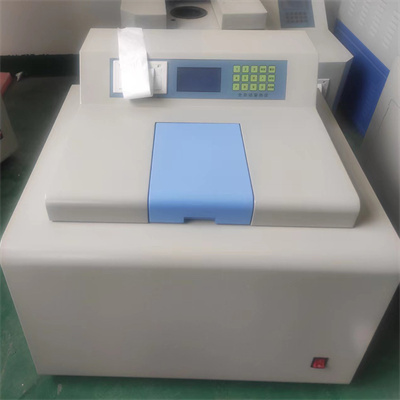
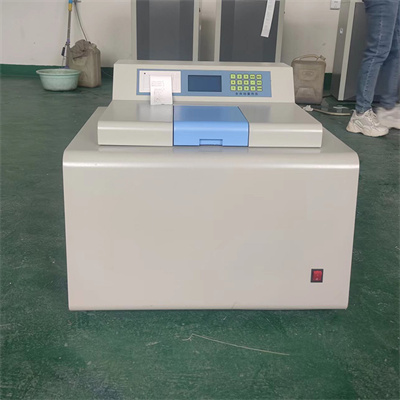 How to read calorimeter data
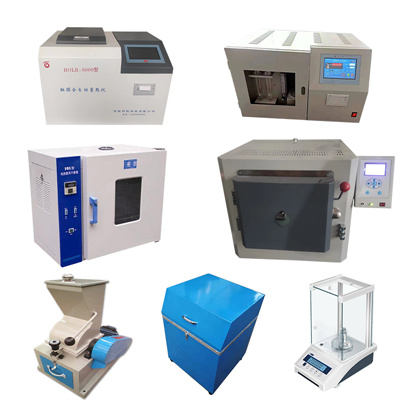 What is the design principle of a calorimeter?
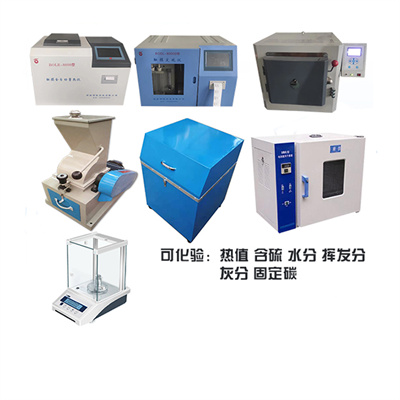 What is the harm of lack of water in the calorimeter?
 What is the input interface of the calorimeter?