What does a calorimeter measure?
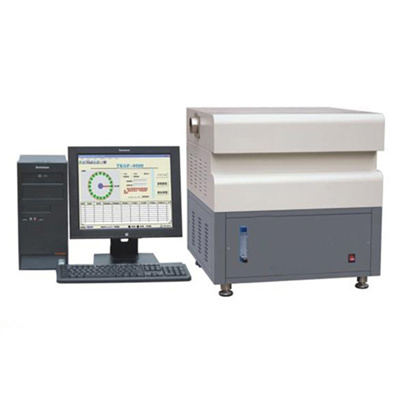
In various scientific research and industrial production scenarios, calorimeters play a crucial role, so what exactly does it measure? Here is a detailed analysis for you.
Measuring the heat of combustion of a substance
Calorimeters are most commonly used to measure the combustion heat of substances. When coal, oil, natural gas and other fuels are fully burned in the specific combustion environment of the calorimeter, the instrument can accurately capture the heat released during the combustion process. By accurately measuring the combustion heat, the energy value of the fuel can be determined, providing key data for the energy industry to evaluate fuel quality and plan energy utilization plans. For example, in thermal power plants, according to the coal combustion heat data, the power generation parameters can be reasonably adjusted to ensure power generation efficiency and stability.
Measuring the heat of chemical reaction
In the field of chemical research, calorimeters are the right assistant for measuring the heat of chemical reactions. Whether it is acid-base neutralization reactions or various organic synthesis reactions, calorimeters can accurately measure the heat changes that accompany the reaction process. With this data, researchers can deeply explore the reaction mechanism, optimize reaction conditions, improve reaction efficiency and product quality. For example, in the pharmaceutical industry, by measuring the reaction heat of drug synthesis, the reaction temperature can be precisely controlled to ensure the quality and safety of drugs.
Measuring latent heat of phase change
When a substance undergoes a phase change, such as changing from a solid state to a liquid state or a liquid state to a gas state, it absorbs or releases heat, which is the latent heat of the phase change. Calorimeters can accurately measure the latent heat of the phase change and help materials science research and development. For example, when developing new phase change energy storage materials, measuring the latent heat of the phase change can evaluate the energy storage performance of the material, provide a basis for the development of high-efficiency energy storage materials, and promote the development of new energy technologies.
Measurement of heat of solution
When a substance dissolves in a solvent, it will change with heat, and a calorimeter can accurately determine this heat of dissolution. In chemical production, mastering the heat of dissolution of a substance helps to optimize the dissolution process, control the reaction temperature, and ensure the smooth progress of production. For example, in fertilizer production, accurate measurement of the heat of dissolution of raw materials can adjust the dissolution temperature reasonably, improve production efficiency and product quality.
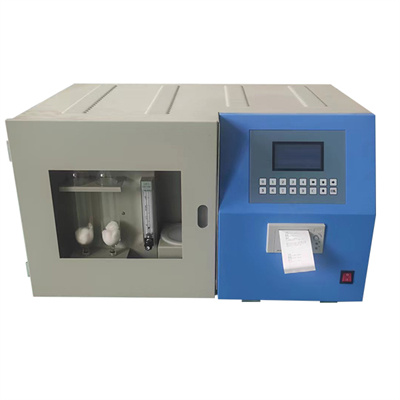
With the accurate measurement of key heat such as combustion heat, chemical reaction heat, latent heat of phase change, and dissolution heat, calorimeters play an irreplaceable role in many fields such as energy, chemical industry, and scientific research, and have become an important tool for promoting industry progress and technological innovation.
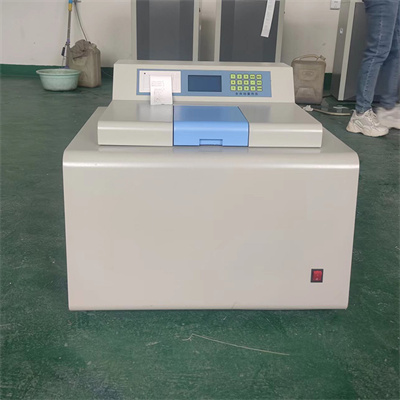 How to read calorimeter data
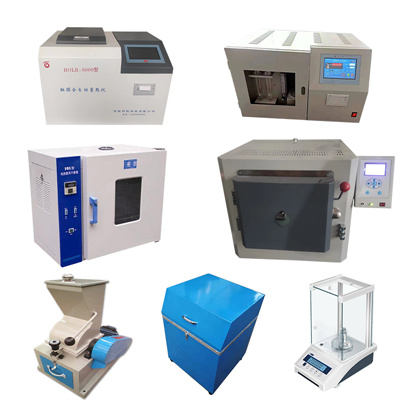 What is the design principle of a calorimeter?
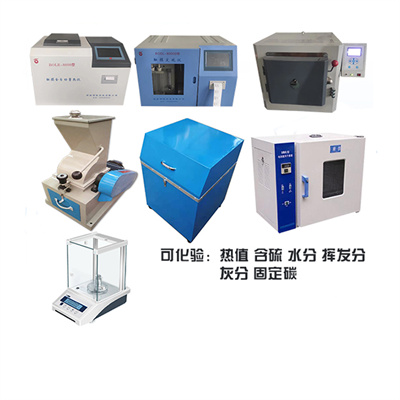 What is the harm of lack of water in the calorimeter?
 What is the input interface of the calorimeter?