How does a calorimeter drain water?
As an accurate heat measuring instrument, the calorimeter plays a key role in the experiment and detection work. And the drainage operation is an important link to ensure the stable operation of the calorimeter and the accurate measurement results, and it is necessary to master the correct drainage method.
Preparation before drainage
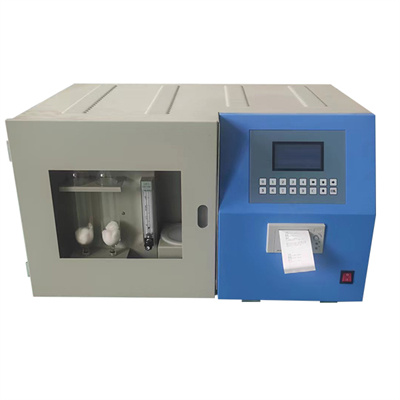
Before the drainage operation, be sure to cut off the power supply of the calorimeter to avoid the risk of electric shock and ensure the safe operation. At the same time, prepare a clean wipe cloth and a suitable container for receiving the discharged wastewater to prevent the wastewater from overflowing and soiling the test bench. In addition, carefully check the location of the discharge port of the calorimeter to clarify the operation path and make full preparations for subsequent drainage.
Specific drainage steps
The first step is to find the drain valve of the calorimeter, usually located at the bottom or side of the instrument, and some models will be clearly marked. Gently unscrew the drain valve, paying attention to moderate force to avoid damage to the valve with excessive force.
The second step is to slowly open the valve and let the wastewater flow into the prepared container along the drain. During the drainage process, closely observe the water flow. If the water flow is not smooth, you can gently shake the instrument shell to assist the wastewater discharge, but the action should be gentle to prevent the internal components of the instrument from shifting.
The third step is to quickly close the drain valve after the wastewater is discharged to prevent water leakage during subsequent instrument operation. Then, wipe the residual moisture around the drain with a clean wipe to keep the outside of the instrument dry.
Post-drainage inspection and maintenance
After the drainage is completed, re-connect the power supply of the calorimeter, turn on the instrument for a simple self-test to check whether the functions of the instrument are normal and whether there are any signs of water leakage at the drain. If any abnormalities are found, check the cause in time and contact a professional for maintenance if necessary. At the same time, regularly drain the calorimeter to develop good maintenance habits, which can effectively prolong the service life of the instrument and ensure the accuracy of each measurement data.
By mastering the above calorimeter drainage methods and following the steps strictly, the drainage work can be easily completed, escorting the stable operation of the calorimeter and assisting the smooth development of various testing work.
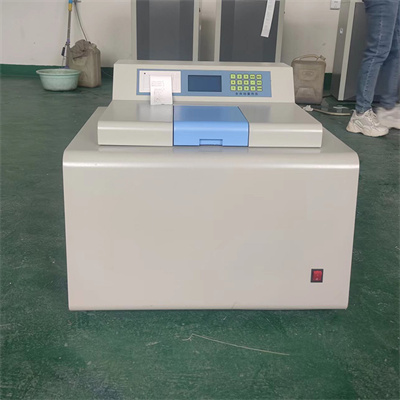 How to read calorimeter data
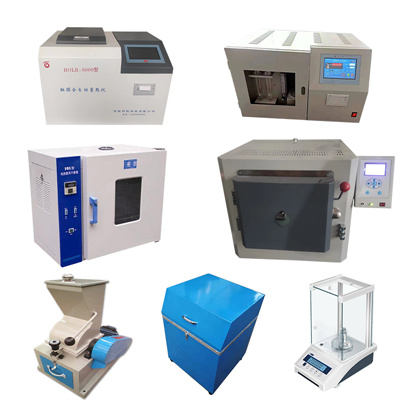 What is the design principle of a calorimeter?
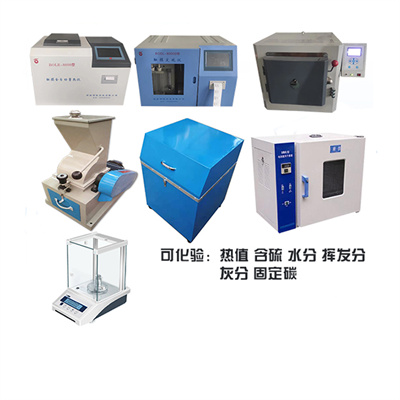 What is the harm of lack of water in the calorimeter?
 What is the input interface of the calorimeter?