How to adjust the heat melt volume of a coal calorimeter
Core preparation before calibration
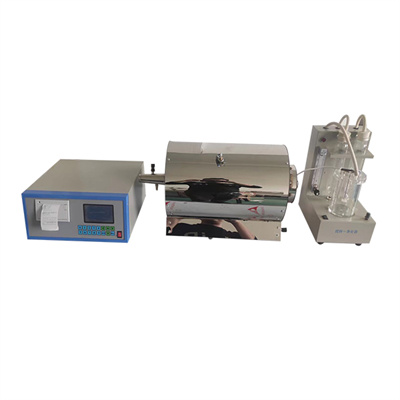
Before adjusting the amount of heat melting, it is necessary to ensure that the coal calorimeter is in a stable state. First turn on the power supply, turn it on and preheat for 30 minutes, so that the core components of the instrument can reach a stable working temperature; then wipe the inner and outer walls of the oxygen bomb with absolute ethanol and the electrode interface to remove residual impurities and avoid affecting the heat transfer efficiency due to carbon deposits or stains. At the same time, prepare benzoic acid standard material, whose calorific value is stable and known, which is a key reference for calibrating the amount of heat melting. It is necessary to confirm in advance that its valid period and purity meet the requirements.
II. Standardized setting of key parameters
After entering the calibration interface of the instrument, focus on setting the parameters related to the hot melt volume. First, accurately enter the standard calorific value of benzoic acid, which should be strictly marked with reference to the certificate and cannot be estimated at will; second, according to the actual detection needs, set the hot melt parameters of the ignition wire to ensure that the heat released by the ignition wire can be accurately counted into the total heat. If the instrument supports automatic calibration mode, it is necessary to confirm the calibration period and sensitivity parameters to avoid calibration failure due to parameter deviation.
III. Core steps of practical calibration
The first step is loading and sealing. Take 0.8-1 g of dried benzoic acid, evenly press the tablet and put it into the crucible of the oxygen bomb. When connecting the ignition wire, make sure that the ignition wire is in full contact with the sample but not the crucible wall. Then tighten the oxygen bomb seal cover, fill 3.0 MPa of oxygen through the oxygen filling device, and let stand for 1 minute to ensure uniform distribution of oxygen.
The second step is to start the calibration procedure. Put the oxygen bomb into the inner cylinder of the calorimeter smoothly, close the outer cover of the instrument, and start the hot melt calibration procedure. The instrument will automatically complete the ignition, heat collection and calculation. During the process, you need to closely observe the running status of the instrument. If the ignition fails or the data is abnormal, you need to stop the program immediately to check the sealing of the oxygen bomb or the connection of the ignition wire.
The third step is data verification and adjustment. After the calibration is completed, the instrument will display the deviation between the measured calorific value and the standard calorific value. If the deviation is within the allowable range, the calibration data can be directly saved; if the deviation exceeds the standard, the sample loading process needs to be re-checked, and the hot melt parameters of the ignition wire are adjusted and calibrated again until the data meets the testing standards.
IV. Closing and maintenance after calibration
After the calibration is completed, take out the oxygen bomb in time, clean the crucible and ignition wire residue after pressure relief, and restore the instrument to the state to be tested. At the same time, record key information such as calibration time, reference material information, calibration data, etc., for subsequent traceability. Regularly clean and maintain the instrument to ensure the stability of hot melt calibration and ensure the accuracy and reliability of coal detection data.
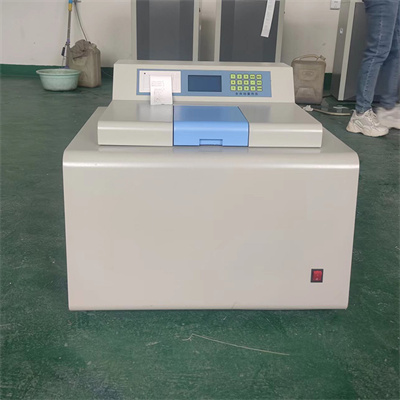 How to read calorimeter data
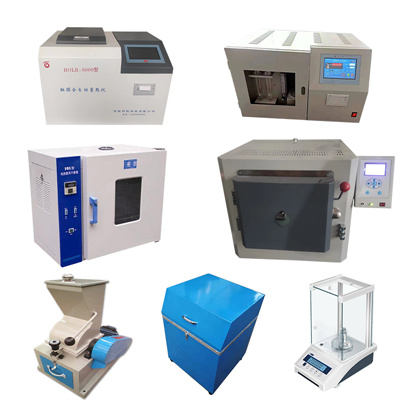 What is the design principle of a calorimeter?
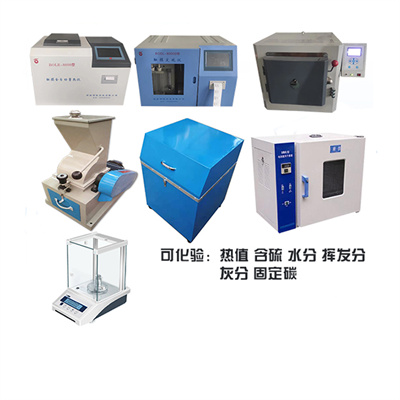 What is the harm of lack of water in the calorimeter?
 What is the input interface of the calorimeter?