Why do you need to add water to the inner cylinder of the calorimeter?
Ensure accurate heat transfer
The core task of a calorimeter is to accurately measure the heat released by the combustion of a substance, and adding water to the inner cylinder is the key to achieving this goal. Water has excellent thermal conductivity. During the experiment, it can efficiently absorb the heat generated by the combustion of the sample and quickly and evenly transfer the heat to the temperature sensor. If the inner cylinder is not filled with water, the heat cannot be effectively conducted, and the temperature sensor is difficult to accurately capture the heat change. Ultimately, the measurement results are very biased and cannot meet the experimental accuracy requirements.
Maintain a stable measurement environment
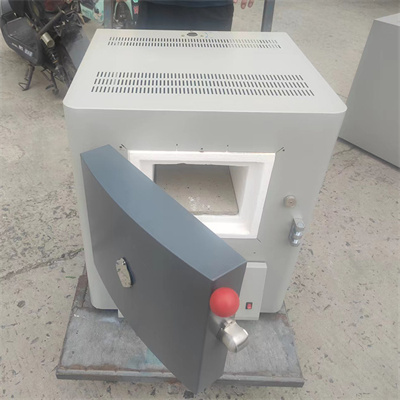
The high specific heat capacity of water allows the inner cylinder to form a stable heat buffer system after adding water. When the sample burns to release a large amount of heat instantaneously, the water can absorb the excess heat and avoid a sudden temperature rise; when the heat is released, the water can slowly release the stored heat and prevent the temperature from falling rapidly. This characteristic creates a relatively stable temperature environment for measurement, ensuring that the temperature sensor can record temperature changes stably and accurately, providing reliable data for subsequent calculations, and greatly improving the stability and accuracy of measurement.
Helps distribute heat evenly
When the sample burns, the heat release is not completely uniform. If it directly contacts the inner cylinder, it is easy to cause local heat concentration. As a medium, water can quickly disperse the concentrated heat to the entire inner cylinder space with good fluidity, making the heat distribution more uniform. In this way, the temperature change at the location of the temperature sensor can more fully reflect the overall heat change, avoid measurement distortion due to local temperature anomalies, and ensure comprehensive and reliable measurement results.
Meet experimental standardization requirements
In the standard operation process of a calorimeter, adding water to the inner cylinder is an indispensable link. Strictly following the specified amount of water is the basis for ensuring the uniformity of experimental conditions and the comparability of results. Only by adding water according to the standard can the experimental variables caused by the difference in water volume be eliminated, and the measurement results of different experiments and batches are scientific and consistent, meeting the standardization needs of various scientific research and testing work.
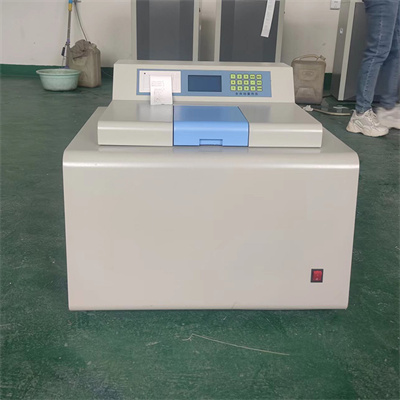 How to read calorimeter data
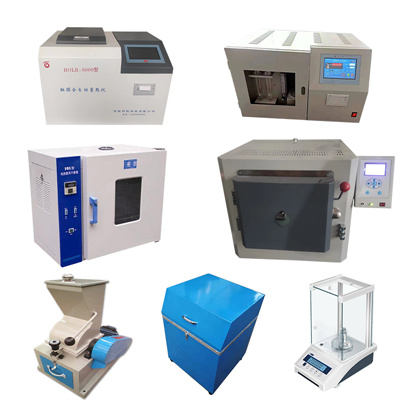 What is the design principle of a calorimeter?
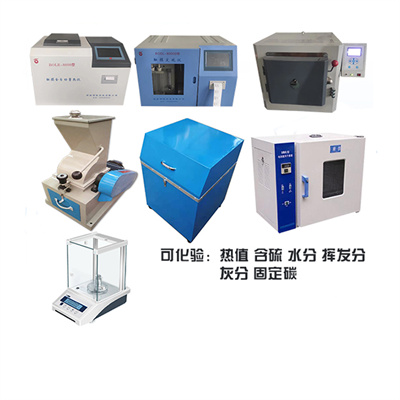 What is the harm of lack of water in the calorimeter?
 What is the input interface of the calorimeter?